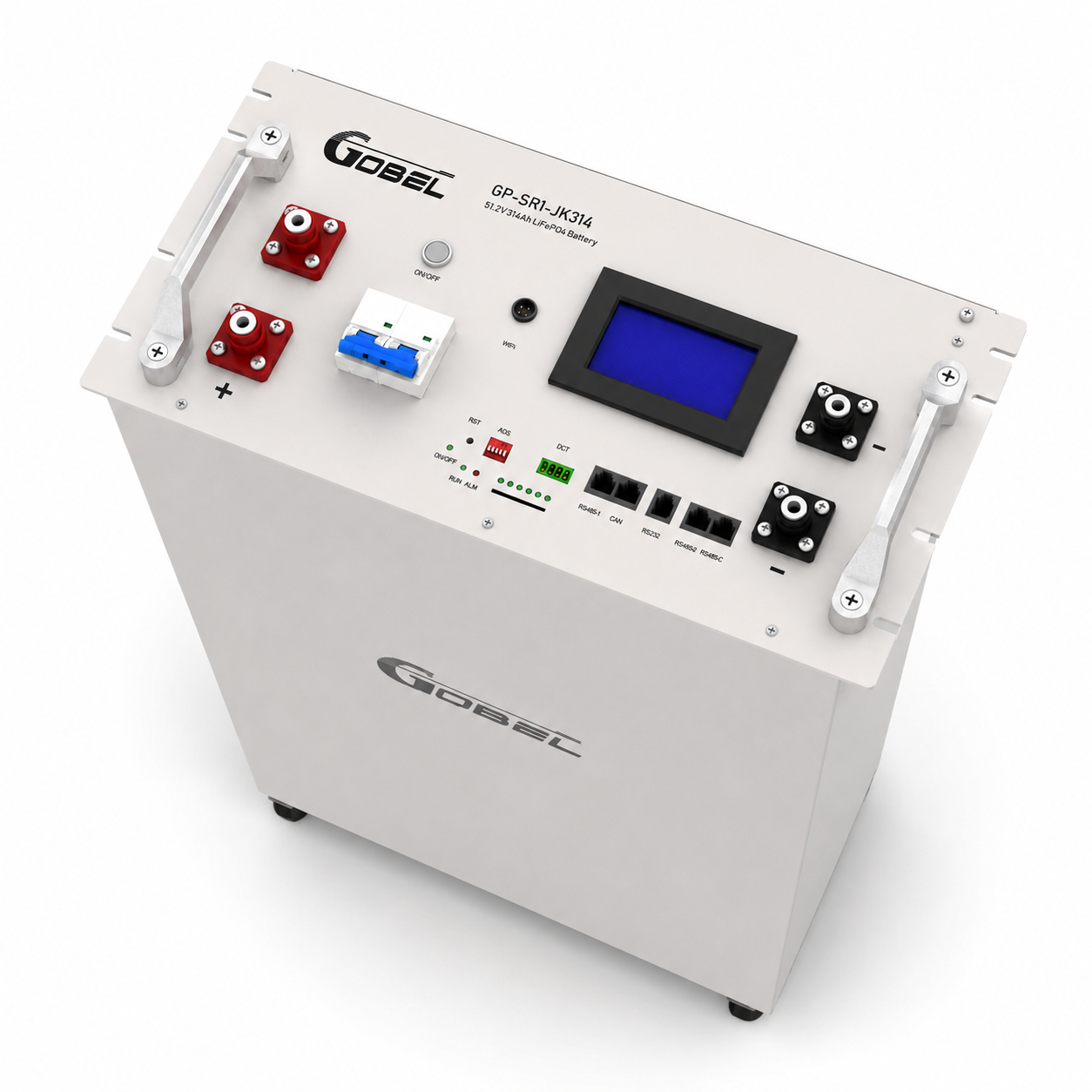

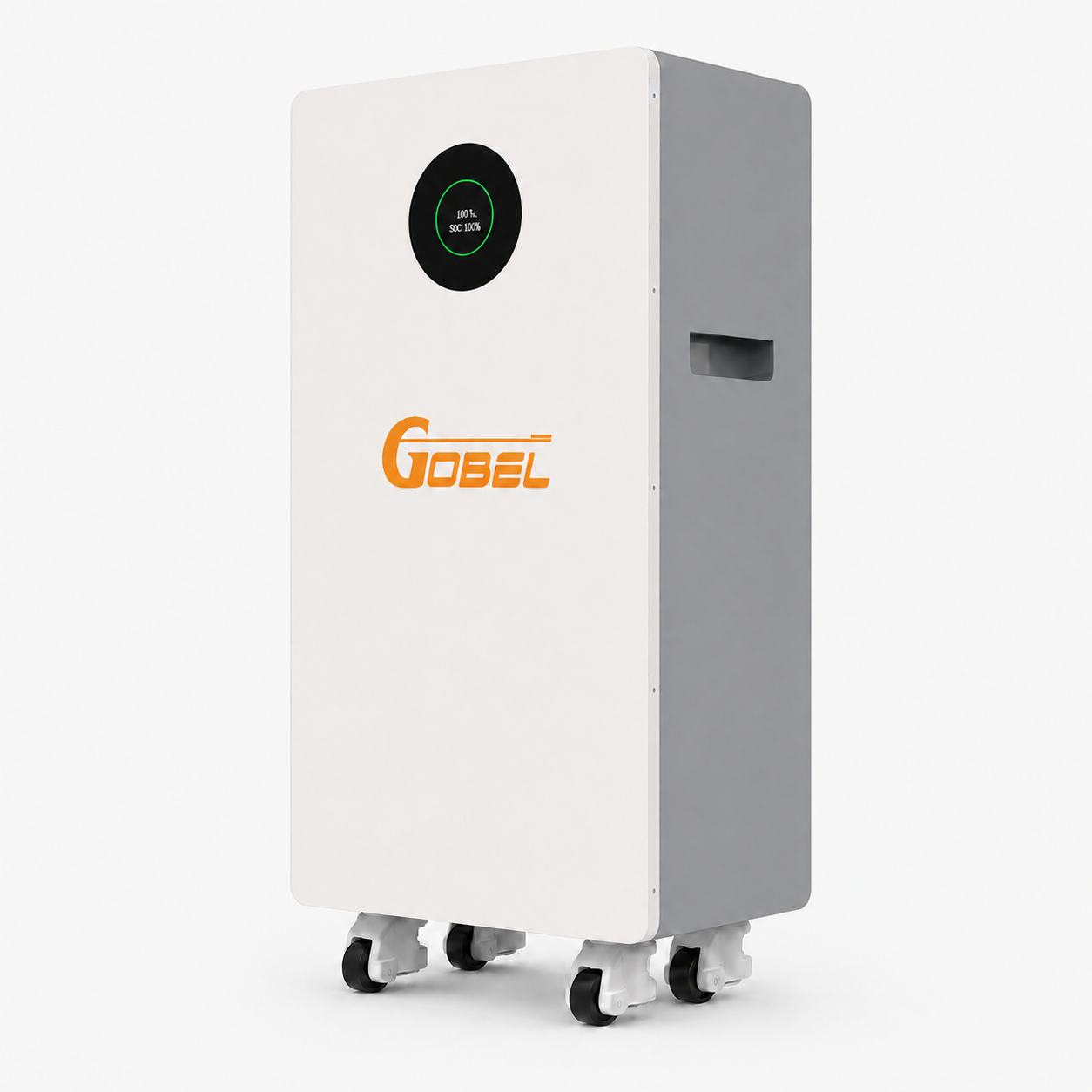
Server-Rack-Batterien und wandmontierte Solarbatterien lösen unterschiedliche Installationsherausforderungen. Für B2B-Käufer, Händler und Installateure hängt die richtige Wahl von verfügbarem Platz, Wartungszugang, Erweiterungsplänen und den Anforderungen der Endkunden ab.
Server-Rack-Batterien: Skalierbare & Modular erweiterbare Energiespeicher
Server-Rack-Batterien werden bevorzugt für Projekte gewählt, die eine saubere Verkabelung, wiederholbare Installationen und eine einfache Kapazitätserweiterung erfordern. Sie passen in standardisierte Rack-Schränke und kommen häufig in Heim-Speicherräumen, Telekommunikations-Backup-Systemen, gewerblichen Klein-Solaranlagen und Off-Grid-Systemen zum Einsatz.
Ein Rack-System lässt sich besonders flexibel skalieren: Weitere Batteriemodule können problemlos im selben Schrank nachgerüstet werden, sofern Wechselrichter und BMS (Batteriemanagementsystem) den Parallelbetrieb unterstützen.
Wandmontierte Solarbatterien: Platzsparend & Ästhetisch
Wandmontierte Batterien wurden speziell für kompakte Wohngebäudeseitige Installationen entwickelt. Sie sparen Stellfläche am Boden und sorgen in Garagen, Wirtschaftsräumen oder Indoor-Energieräumen für ein aufgeräumtes Erscheinungsbild.
Für Hausbesitzer, die Wert auf Design und Platzeffizienz legen, lässt sich ein schlanker Wandakku oft leichter vermarkten als ein wuchtiger Rack-Schrank.
Vergleich für Installateure: Wartungsfreundlichkeit
Installateure sollten auch die Wartungsmöglichkeiten im laufenden Betrieb vergleichen:
Rack-Systeme: Bieten Technikern schnellen und direkten Zugriff auf einzelne Batteriemodule, interne Verkabelung und Stromschienen (Busbars).
Wandmontierte Systeme: Ideal für Einfamilienhäuser mit 1 bis 2 Batterielösungen. Eine spätere Erweiterung erfordert jedoch mehr Wandfläche und sorgfältige Kabelplanung.
Kommerzielle Produktbezeichnungen & Modellstruktur
Ein klarer Produktname hilft Kunden, die Bauform sofort zuzuordnen:
Hinweis: Intern definieren Modellnummer und SKU das genaue Gehäuse, die Kapazitätsplattform, die Zellkonfiguration, das BMS, die Gehäusefarbe sowie optionale Zusatzfunktionen.
B2B-Produktstrategie für Großhändler
Für Distributoren erhöht das Angebot beider Formfaktoren die Marktabdeckung. Rack-Batterien sprechen Fachinstallateure und gewerbliche Käufer an. Wandbatterien eignen sich ideal für den Endkundenvertrieb, wo Optik und Platzbedarf entscheidend sind.
Die beste Produktstrategie besteht nicht darin, sich dauerhaft für ein Format zu entscheiden, sondern den Formfaktor optimal auf das jeweilige Installationsszenario abzustimmen.