Energiespeichertrends für Privathaushalte im Jahr 2026: LiFePO4 mit hoher Kapazität und intelligente Mikronetze
2026 Residential Energy Storage Revolution: How High-Capacity LiFePO4 & Smart BMS Are Reshaping Home Energy Independence
Driven by volatile utility rates, grid instability, and the global transition to high-power home electrification (EV chargers, heat pumps, smart HVACs), residential energy storage systems (RESS) have officially evolved from luxury additions into essential home infrastructure. As we navigate 2026, technological iterations in Lithium Iron Phosphate (LiFePO4) battery chemistry and dynamic grid integration are setting new benchmarks for efficiency and payback performance.
???? Key Industry Shift in 2026
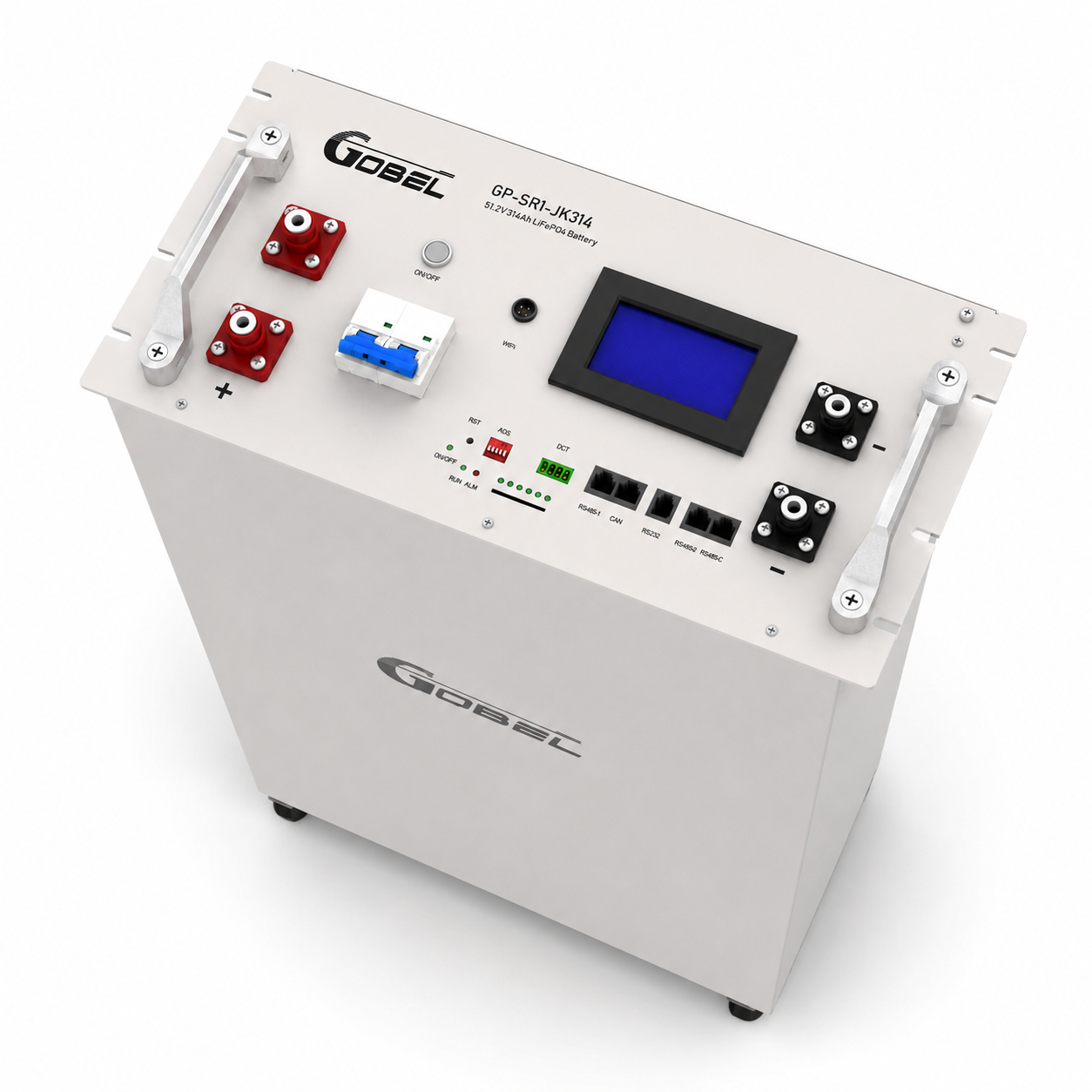
Residential LiFePO4 battery architectures are transitioning rapidly from legacy 100Ah cells toward 280Ah and 314Ah high-density prismatic cells, reducing system footprint, wiring complexity, and cost-per-kWh.
1. Mainstream Adoption of 314Ah Prismatic LiFePO4 Cells
For years, 50Ah and 100Ah cells dominated home battery cabinets. In 2026, the market has decisively shifted toward 280Ah and 314Ah prismatic LiFePO4 cells. This shift delivers several game-changing advantages for homeowners and installers:

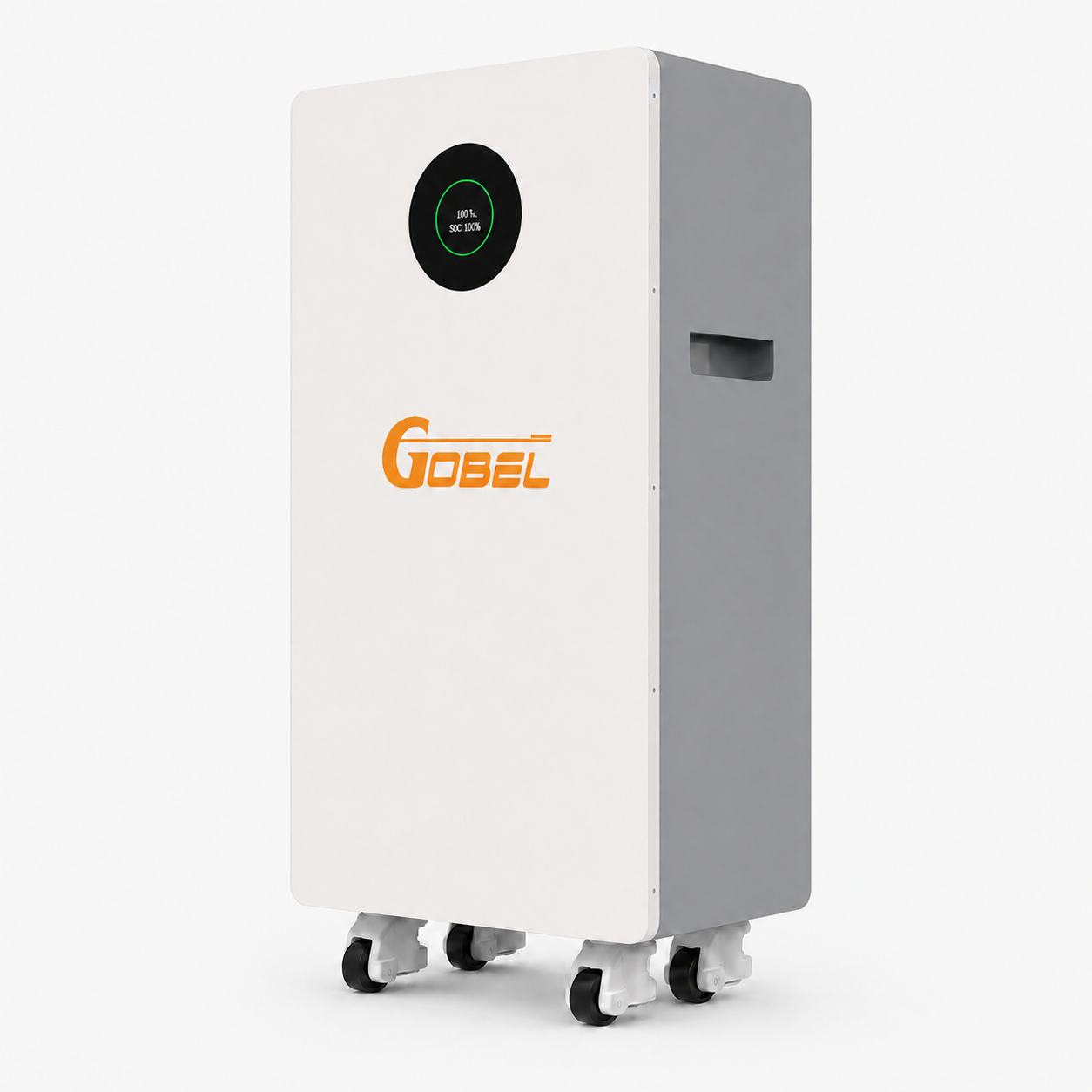
Higher Energy Density: Achieve 15kWh to 16kWh of usable storage in a compact wall-mounted or server-rack form factor.
Fewer Serial Connections: Reduces internal cell connections by up to 60%, minimizing internal resistance (IR) variations and points of potential hardware failure.
Extended Cycle Life: Premium 314Ah Grade A cells offer 6,000 to 8,000+ cycles at 80% DoD, providing over 15 years of daily operation.
2. Dynamic Tariff Optimization & AI-Driven BMS
Fixed net-metering policies are rapidly giving way to Time-of-Use (TOU) tariffs and dynamic electricity pricing. A modern home storage system is no longer a passive backup device; it acts as an active financial optimizer:
Automated Peak Shaving: The system automatically charges during low-cost off-peak hours (or negative rate windows) and discharges during peak evening demand.
Smart Hybrid Inverter Integration: Advanced CAN/RS485 communication protocols ensure seamless interoperability with leading inverters like Victron, Growatt, Deye, and Sol-Ark.
Technology Comparison: Legacy Systems vs. 2026 Modern LiFePO4 Storage
| Feature | Legacy Home Battery (Pre-2024) | Modern 2026 LiFePO4 Battery |
|---|
| Cell Format & Capacity | 50Ah / 100Ah Cells | 280Ah / 314Ah Prismatic Cells |
| Expected Cycle Life | 2,500 – 3,500 Cycles | 6,000 – 8,000+ Cycles (80% DoD) |
| System Architecture | Fixed Monolithic Cabinets | Modular 48V / 51.2V Server-Rack Stackable |
| Average Payback Period | 10 – 12 Years | 5 – 7 Years (Dynamic Pricing Markets) |
⚠️ Buyer Caution: Cell Grading & Matching
When selecting high-capacity 314Ah battery packs, ensure supplier transparency regarding cell grade (Grade A vs. B) and precision factory capacity/IR sorting. Mismatched cells drastically undermine BMS balancing performance and reduce overall lifespan.
Frequently Asked Questions (FAQ)
Q1: Why is LiFePO4 preferred over NMC chemistry for home energy storage?
LiFePO4 (Lithium Iron Phosphate) exhibits superior thermal and chemical stability, eliminating thermal runaway risks associated with NMC. Furthermore, LiFePO4 delivers double the operational cycle life (6,000+ vs. ~3,000 cycles) at a significantly lower levelized cost of storage (LCOS).
Q2: How much battery storage capacity does a typical home need in 2026?
A standard residential solar-plus-storage installation typically starts with a 15kWh battery pack (such as a 51.2V 300Ah / 314Ah system). Thanks to modular architecture, homeowners can easily expand capacity up to 30kWh–60kWh as energy needs scale.