

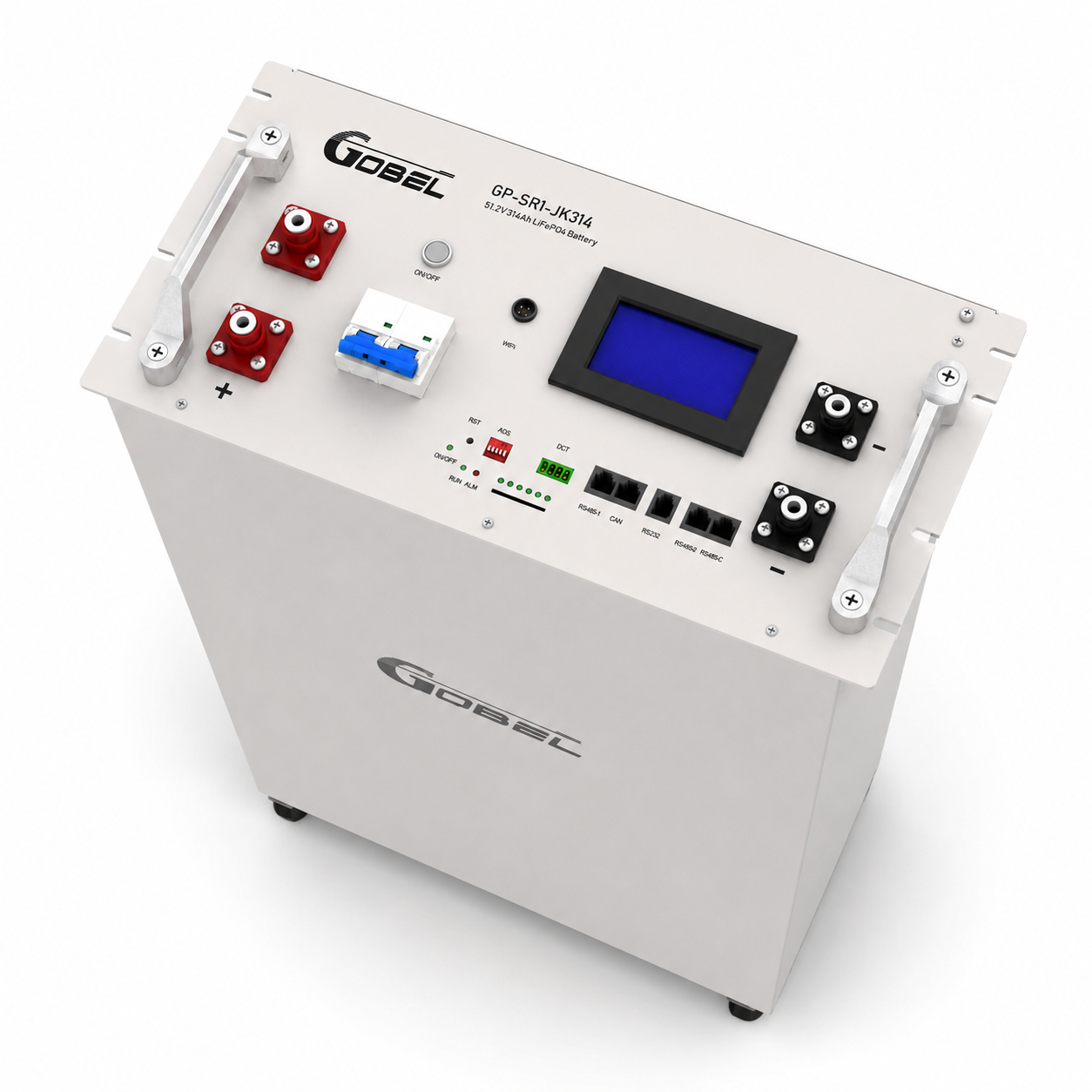

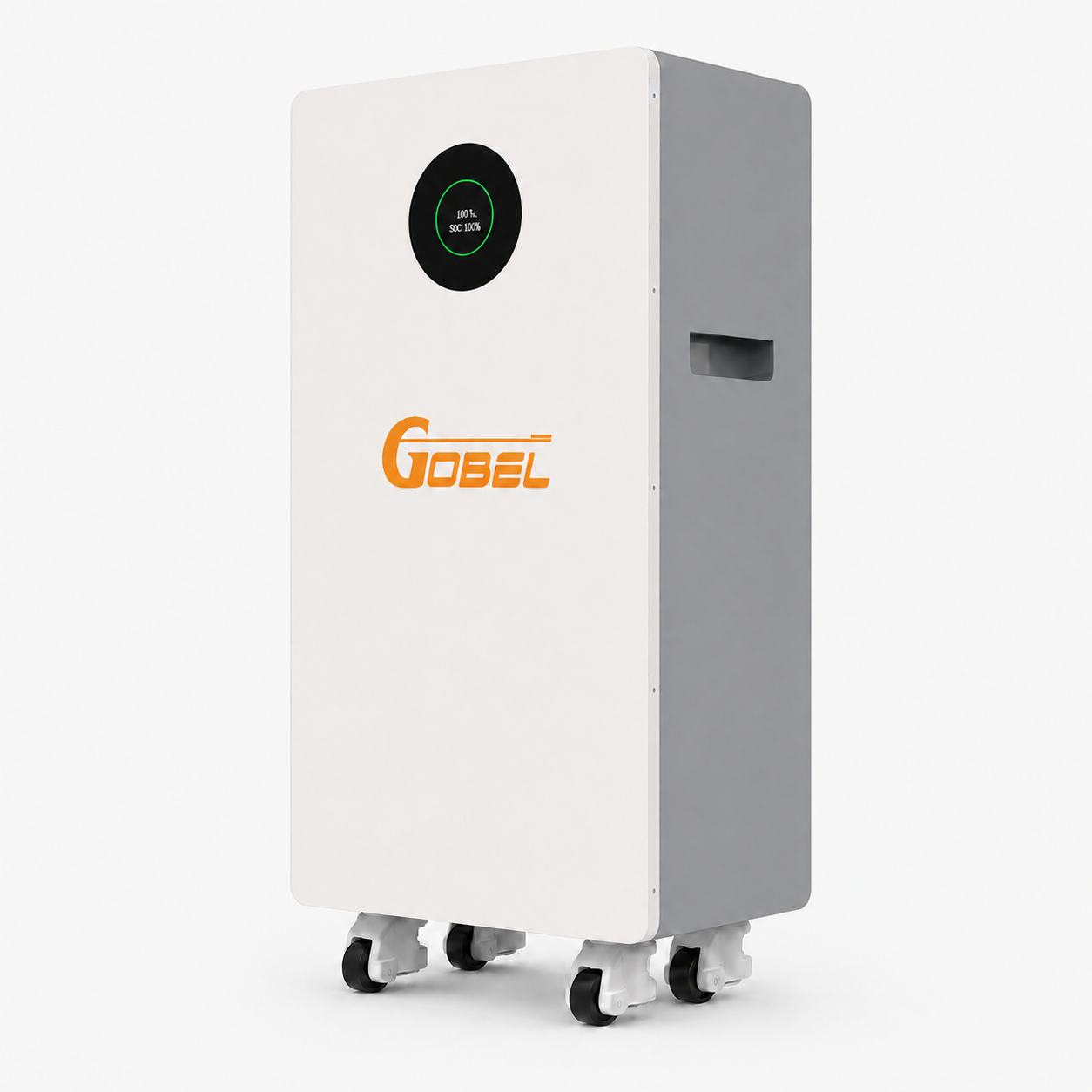


Per installatori e distributori di sistemi di accumulo, una batteria solare LiFePO4 da 48V rappresenta la piattaforma più pratica per progetti residenziali e commerciali leggeri. È compatibile con un'ampia gamma di inverter ibridi, supporta l'espansione modulare e garantisce una chimica più sicura rispetto al piombo-acido o ad altre tecnologie al litio.
Il primo passo nella progettazione dell'impianto è la determinazione della capacità utile:
Batterie da 5kWh: Ideali per i carichi essenziali e per impianti fotovoltaici di base.
Sistemi da 10kWh a 16kWh: Perfetti per massimizzare l'autoconsumo serale e garantire un backup completo.
Collegamento in parallelo: Per impianti che richiedono maggiore autonomia, è possibile collegare più batterie da 48V in parallelo, in base alla compatibilità dell'inverter.
Scegliere la struttura corretta garantisce un'installazione ordinata e una gestione ottimale dello spazio:
Batterie Server Rack: Indicate per locali tecnici, armadi per telecomunicazioni e sistemi multibatteria strutturati.
Batterie da Parete: Progettate per risparmiare spazio a terra in garage e vani tecnici residenziali.
Armadi a Pavimento: Soluzione ideale per chi cerca un'estetica all-in-one con elevata capacità energetica.
Per gli acquirenti professionali, i dettagli interni sono fondamentali: capacità delle celle, corrente del BMS, protocolli di comunicazione, riscaldamento per basse temperature, colore e sede del magazzino definiscono lo SKU finale.
Sui siti di GobelBattery, i nomi commerciali semplificano la scelta del cliente, mentre il Modello e lo SKU consentono ai tecnici di verificare la configurazione di fabbrica esatta.
Non valutare i prodotti solo in base ai kWh nominali. Gli acquirenti tecnici dovrebbero verificare:
Qualità e tipologia delle celle LiFePO4
Corrente massima di carica e scarica gestita dal BMS
Supporto ai protocolli di comunicazione degli inverter
Termini di garanzia e certificazioni ufficiali
Costanza qualitativa nei lotto di produzione
GobelBattery offre soluzioni complete di batterie LiFePO4 da 48V in formato rack, parete, da esterno e armadio a pavimento. Questo permette a distributori e installatori di soddisfare facilmente le esigenze dei propri mercati di riferimento.


 Copyright © 2026 Gobel All Rights Reserved.


