
Europe enters the 2026–27 heating season with an encouraging electricity outlook, but preparedness is not the same as a promise of uninterrupted power at every address. In a statement published on 16 November 2026, the European Commission said its Electricity Coordination Group considered the EU electricity market suitably prepared for winter while stressing the need for continued monitoring. For homeowners and installers, the useful question is how a solar-plus-storage system can meet a property's own priorities if a local outage or tariff spike occurs.
The group met on 12 November and reviewed the European Network of Transmission System Operators for Electricity (ENTSO-E) Winter Outlook published on 13 November. The Commission says the EU is expected to have sufficient resources to meet electricity demand over winter 2026–27. It also notes lower hydro storage levels than before, a slight reduction in available nuclear capacity from planned maintenance and risks in specific areas. The statement highlights a particularly difficult electricity situation in Ukraine and Moldova. It calls for close coordination and monitoring as conditions change.
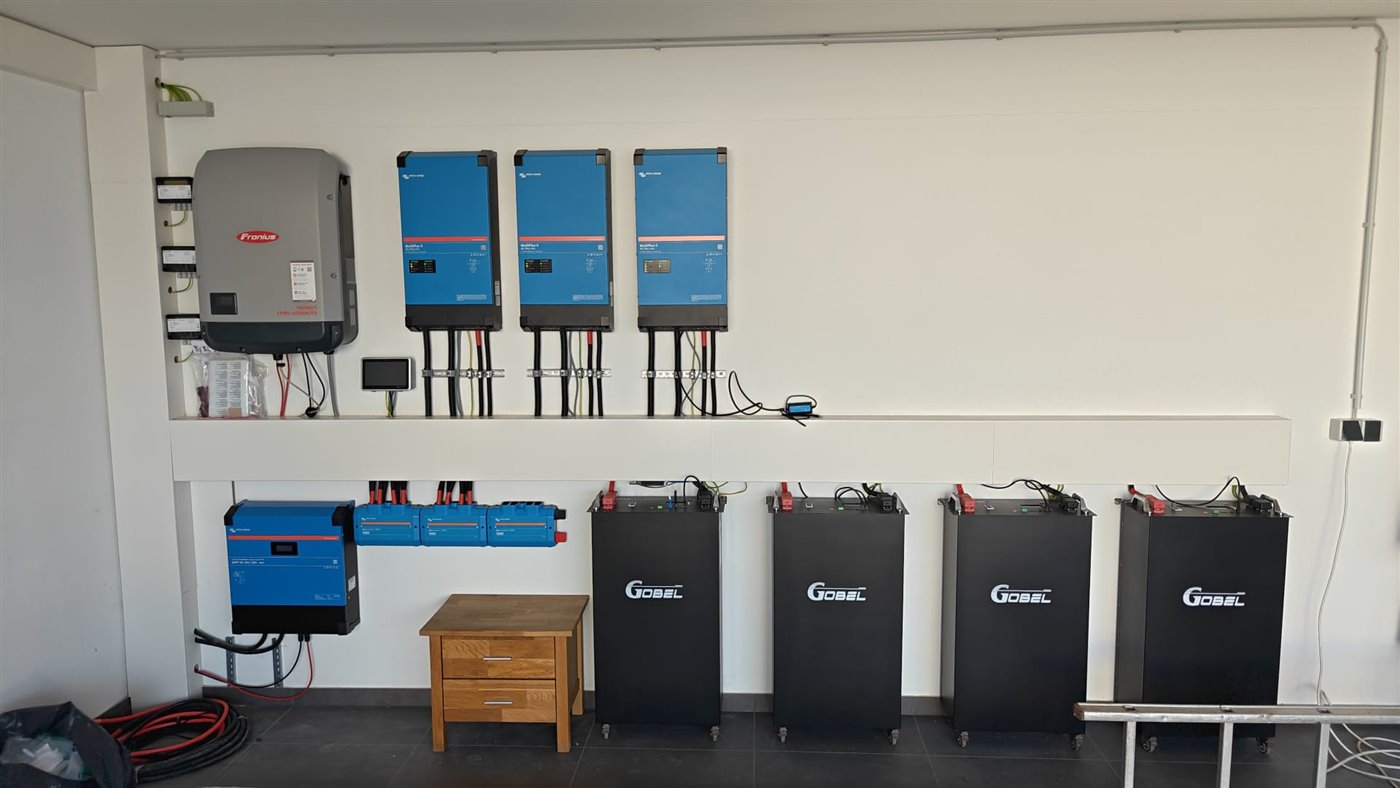
A continental supply assessment describes the power system as a whole; it does not determine what happens during a local distribution fault. A properly designed home battery can support selected circuits during an outage when paired with a compatible inverter and approved backup hardware. It can also store some daytime solar generation for evening use. Neither benefit is automatic: available backup power depends on battery state of charge, inverter output, circuit design and the length of the interruption. Financial value depends on the site's tariff and export rules.
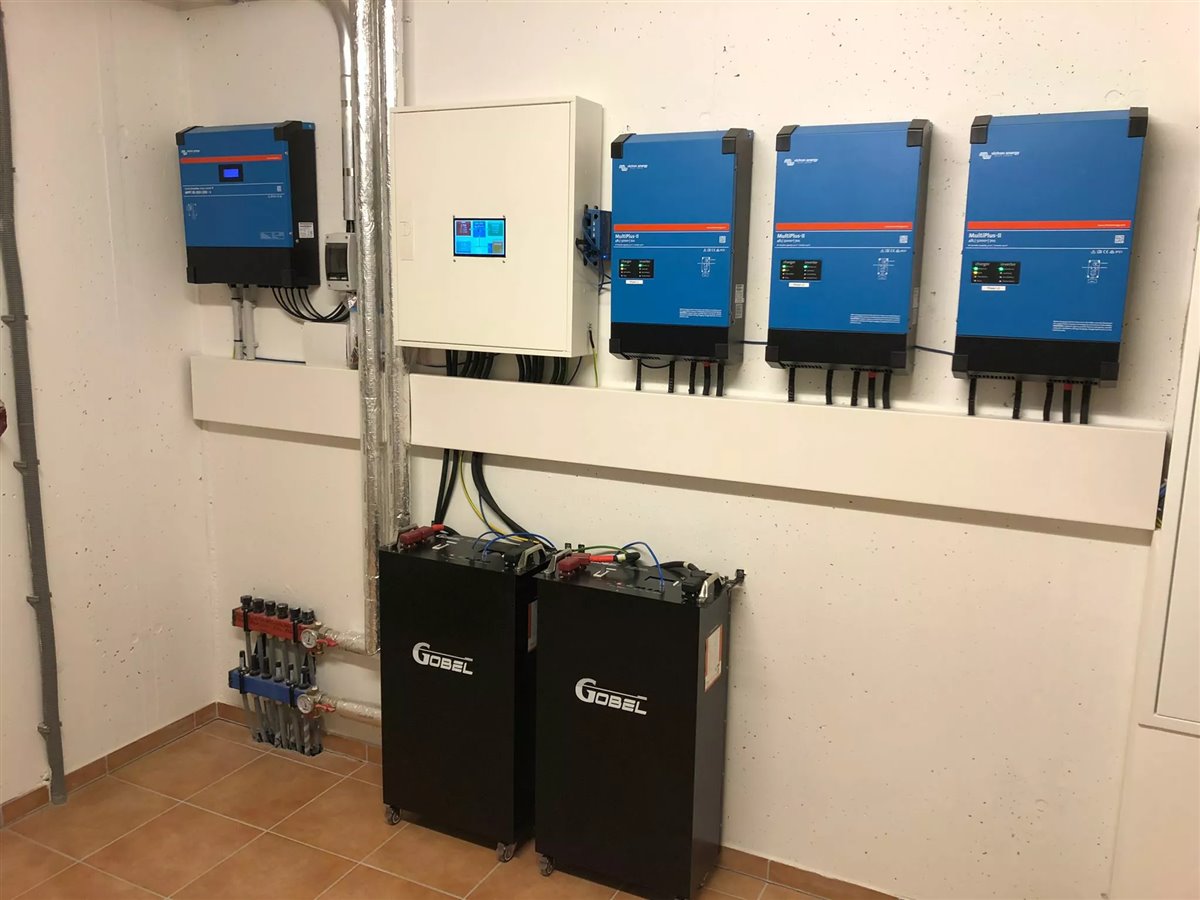
Start with a list of essential loads: refrigeration, communications, lighting, heating controls and any medical equipment that must remain powered. Measure their running demand in kilowatts and the desired backup duration in hours; then allow for startup surges and usable, rather than nominal, battery capacity. Check inverter compatibility, changeover equipment, electrical protection and local installation requirements. A larger battery is not necessarily a better answer if the inverter cannot supply the required peak power or if the critical circuits have not been separated.
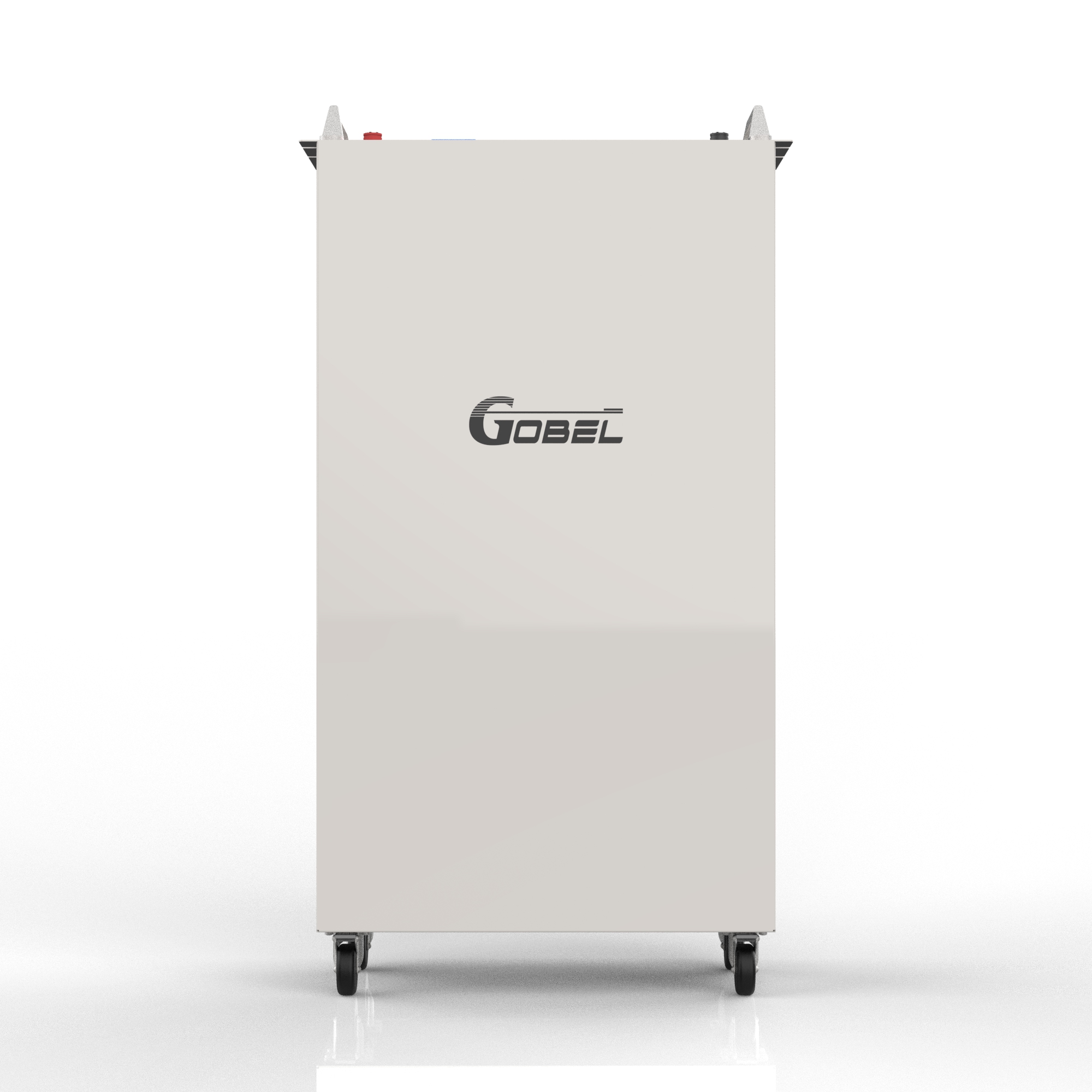
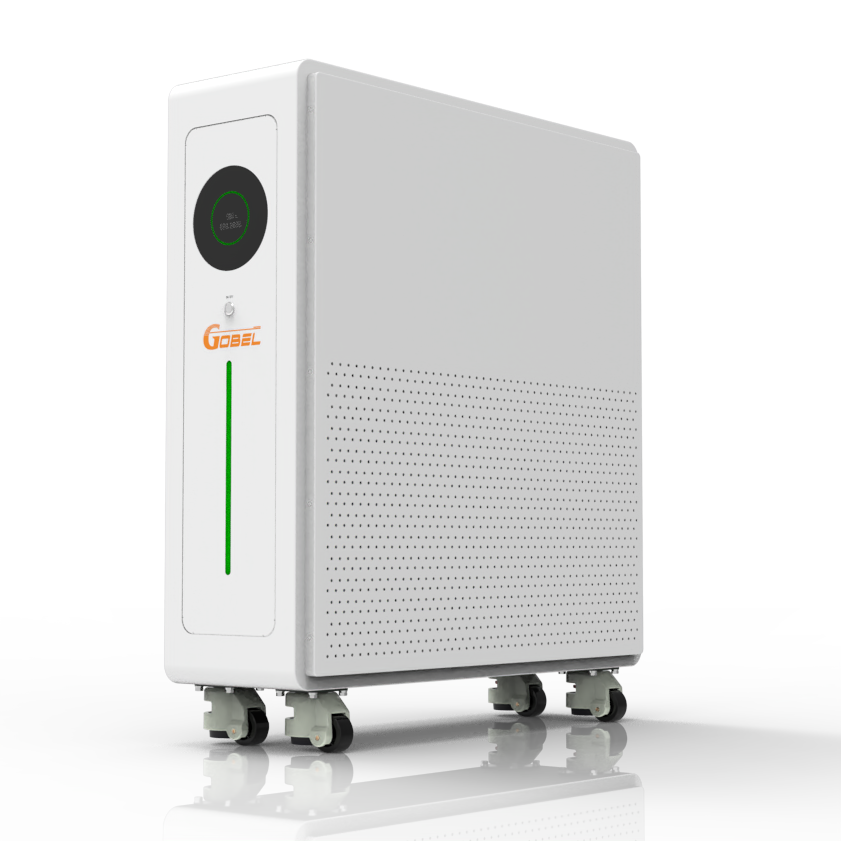
Gobel Power's PowerHarp 32 is one option for projects that need more storage capacity, subject to site-specific engineering and approved component compatibility. The EU winter outlook is a grid-security assessment, not a household battery incentive or a forecast of individual electricity bills.
Source: European Commission, Directorate-General for Energy, Electricity Coordination Group considers EU electricity market prepared for the winter, 16 November 2026.
 Copyright © 2026 Gobel All Rights Reserved.