
As more households add solar panels, the battery conversation often starts with a single number: kilowatt-hours. That figure matters, but it cannot tell a homeowner whether an oven can run, how long essential circuits will remain powered, or whether the system will work during a grid outage. A useful home energy storage proposal separates three questions: how much energy is available, how quickly it can be delivered, and how the installation is configured.
Battery energy is normally stated in kilowatt-hours (kWh). It describes the amount of electricity that can be stored. Output power is stated in kilowatts (kW) and describes the rate at which the system can supply a load. A battery with generous energy capacity may still be unable to support several high-demand appliances at once if its inverter or battery discharge limit is too low. Conversely, a system with adequate output power may not run those appliances for long if usable energy is limited.
Consider a simplified backup plan with essential loads averaging 0.6 kW for eight hours. Those loads require about 4.8 kWh of delivered energy before allowing for conversion losses, reserve state of charge, changing demand or battery operating limits. The installer must separately check the highest simultaneous load and any motor start-up surge against the inverter and battery specifications. This example is a sizing method, not a runtime promise.
Nominal battery capacity is only the starting point. The energy a customer can use depends on the permitted depth of discharge, the operating state of charge, temperature, inverter efficiency and the manufacturer's limits. In a solar-plus-storage system, daily value also depends on how much daytime generation remains after immediate household consumption and whether export tariffs or time-of-use prices make shifting that energy worthwhile.
The U.S. Department of Energy explains that solar output and electricity demand do not always coincide; storage can make solar energy available when the sun is not shining. The International Energy Agency likewise identifies behind-the-meter batteries for homes and businesses as one application of a rapidly growing storage market. Those broad trends support careful system design, but they do not establish the economics of any individual home.
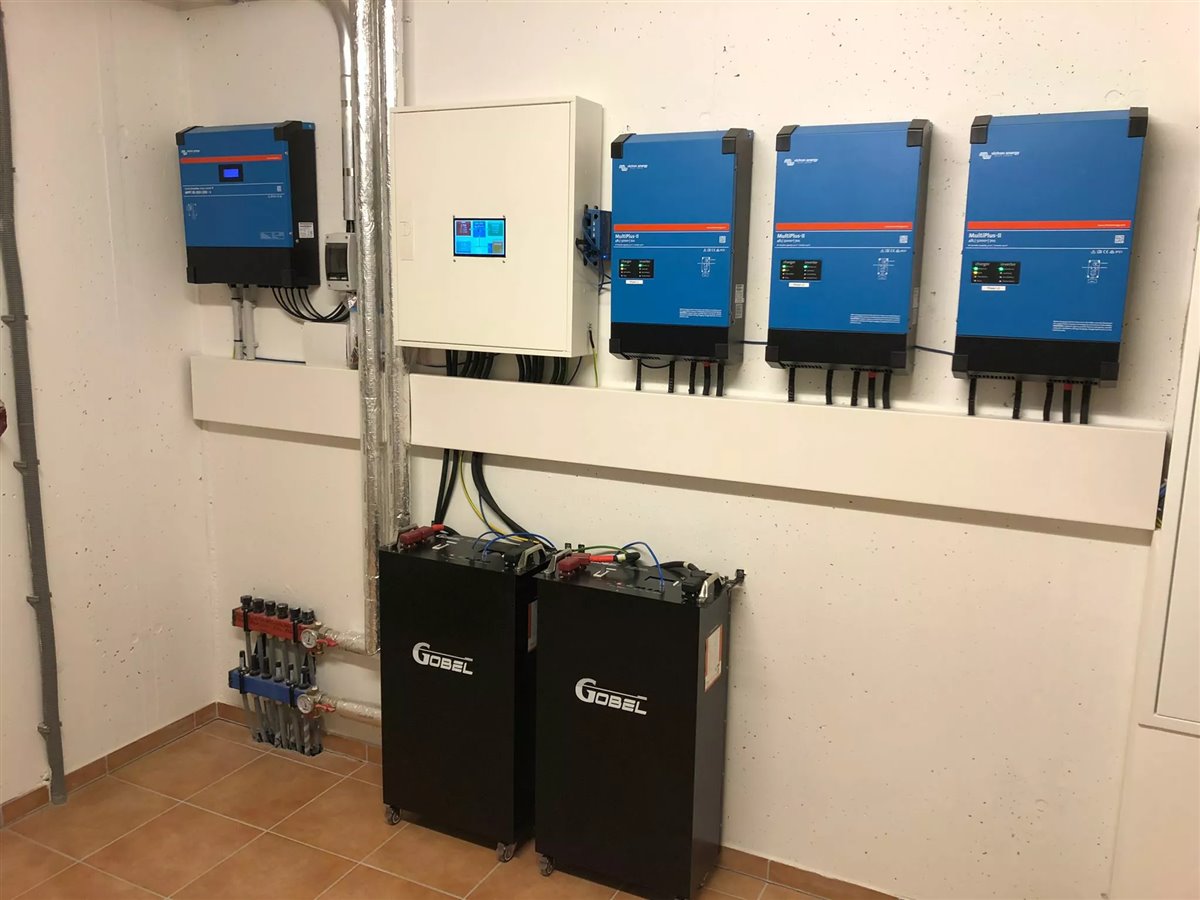
A battery does not create outage protection on its own. The installer needs to confirm inverter backup capability, approved transfer or isolation equipment, electrical protection and the circuits that will remain supplied when the grid is down. A grid-connected solar array without the appropriate backup configuration can stop supplying the home during an outage. For customers who need resilience, the proposal should name the critical loads and explain what the system will and will not power.
Start with measured or estimated hourly consumption, the customer's solar generation profile and the goal: higher self-consumption, tariff management, backup or a combination. Then compare usable kWh, continuous and surge kW, inverter communication, battery management, installation environment, warranty terms and local electrical rules. Ask how a future expansion would affect both battery capacity and inverter output. The best fit is the system that meets the stated use case with compatible components and clear operating assumptions.
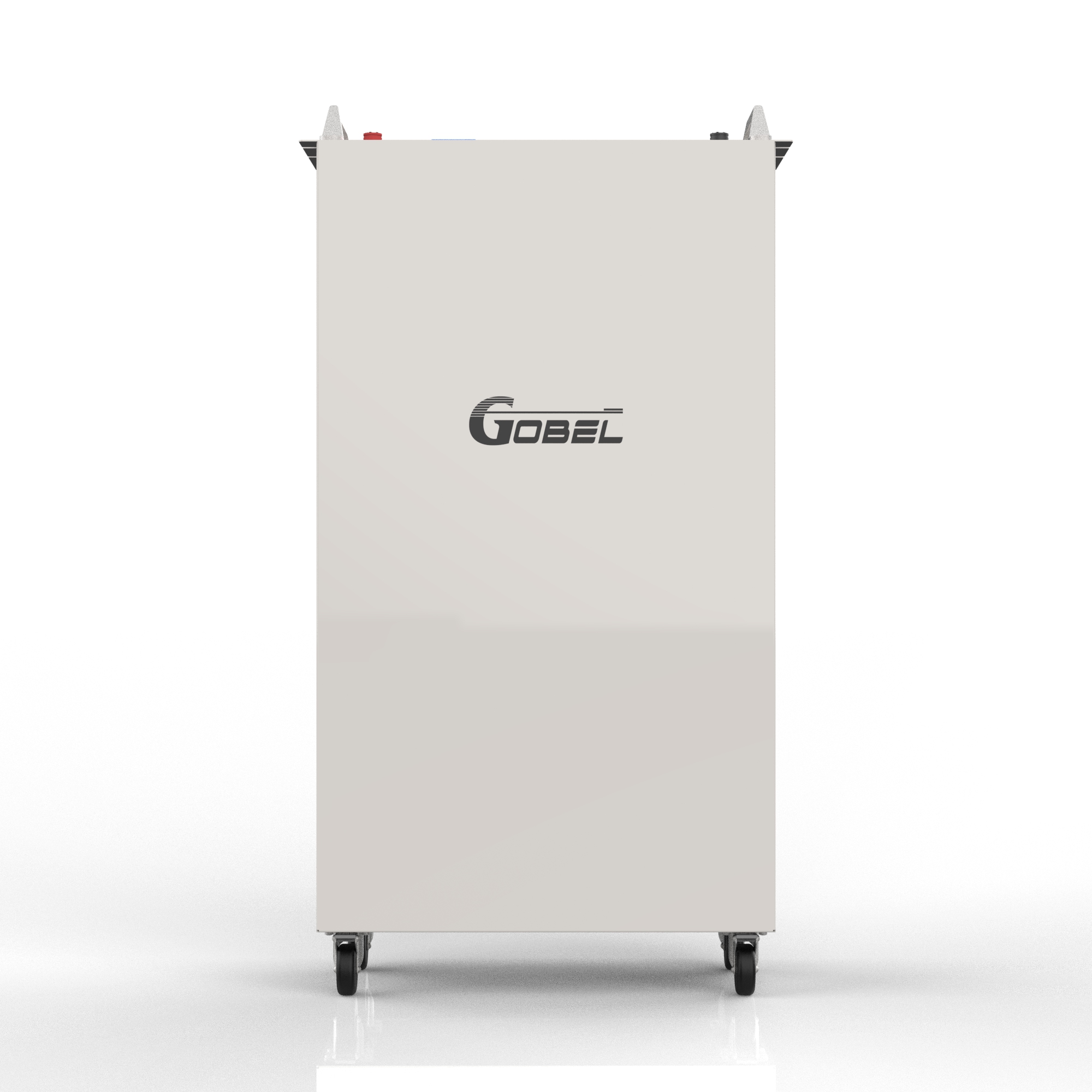
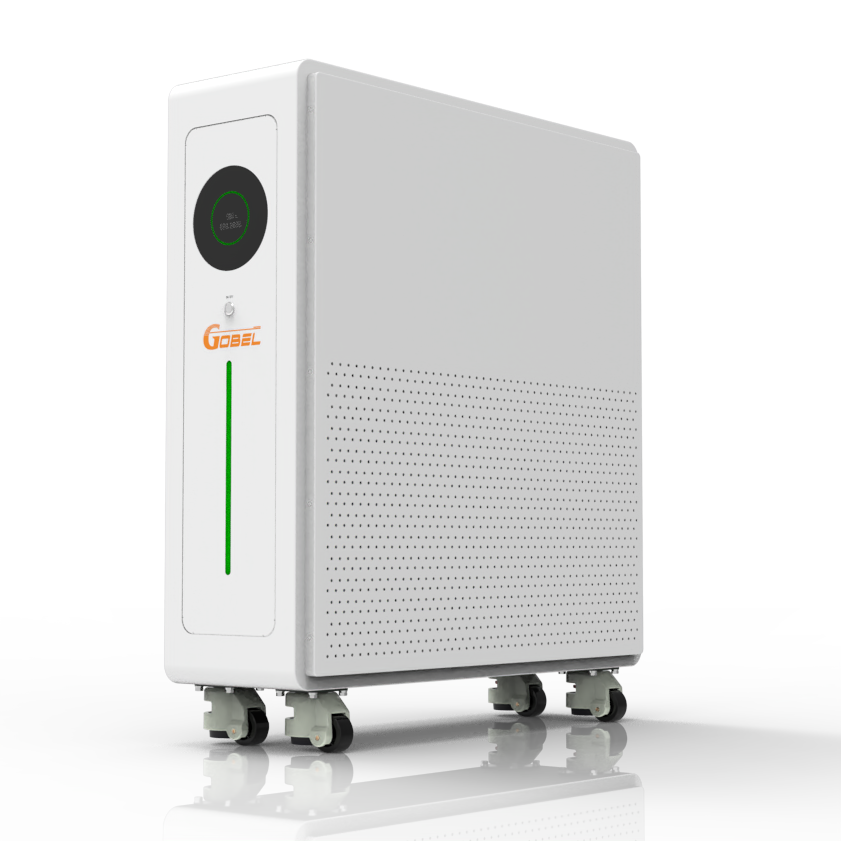
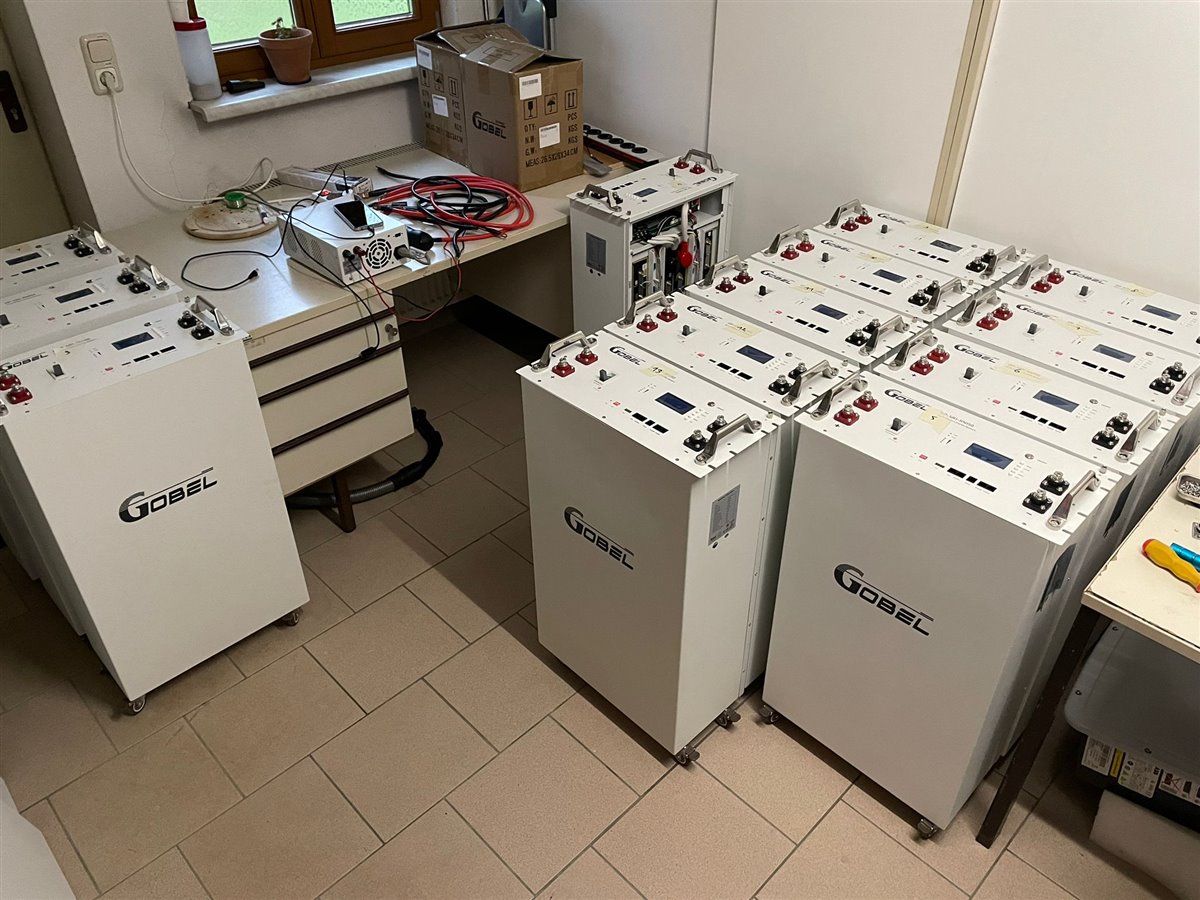
Gobel Power's LiFePO4 battery range gives installers several formats to evaluate for residential solar-plus-storage projects. Final selection should follow the inverter compatibility documentation and a site-specific electrical design.
Sources: U.S. Department of Energy, Solar Energy and Storage Basics; International Energy Agency, Batteries and Secure Energy Transitions. The sizing example and project checklist are Gobel Power editorial guidance.
 Copyright © 2026 Gobel All Rights Reserved.