
On 13 November 2026, the European Commission published its assessment of Poland’s final updated National Energy and Climate Plan (NECP). It welcomed stronger ambition compared with the draft and said full implementation could allow Poland to meet its national 2030 climate and energy targets. For the solar battery market, this is a planning signal rather than a new household battery subsidy: the assessment addresses the overall energy transition and calls for implementation work in several sectors.

The Commission says Poland’s updated national contribution to renewable energy now aligns with the EU’s overall 2030 renewable-energy target. Its planned contribution to energy efficiency has also increased, with the buildings sector expected to deliver a substantial share of savings. The assessment nevertheless asks for stronger measures in heating and cooling, transport and industry, as well as more ambitious building policies. It also identifies a remaining gap in land-use carbon removals and calls for fossil-fuel subsidies to be phased out.
More renewable generation and greater electrification can increase interest in flexibility: shifting consumption, managing peaks and using solar electricity later in the day. A battery may help a home or small business do that, but the economic result depends on Polish tariffs, grid connection conditions, permitted export arrangements and the load profile of the property. The Commission’s assessment does not itself set a battery incentive, product standard or universal payback period.
For a residential or light-commercial proposal, begin with at least a year of electricity consumption where available. Separate energy capacity (kWh) from output power (kW), and check the simultaneous loads, backup circuits, inverter protocol and installation space. Model self-consumption and time-of-use savings against actual tariff rules rather than headline assumptions. Include electrical protection, commissioning and maintenance in the project budget.
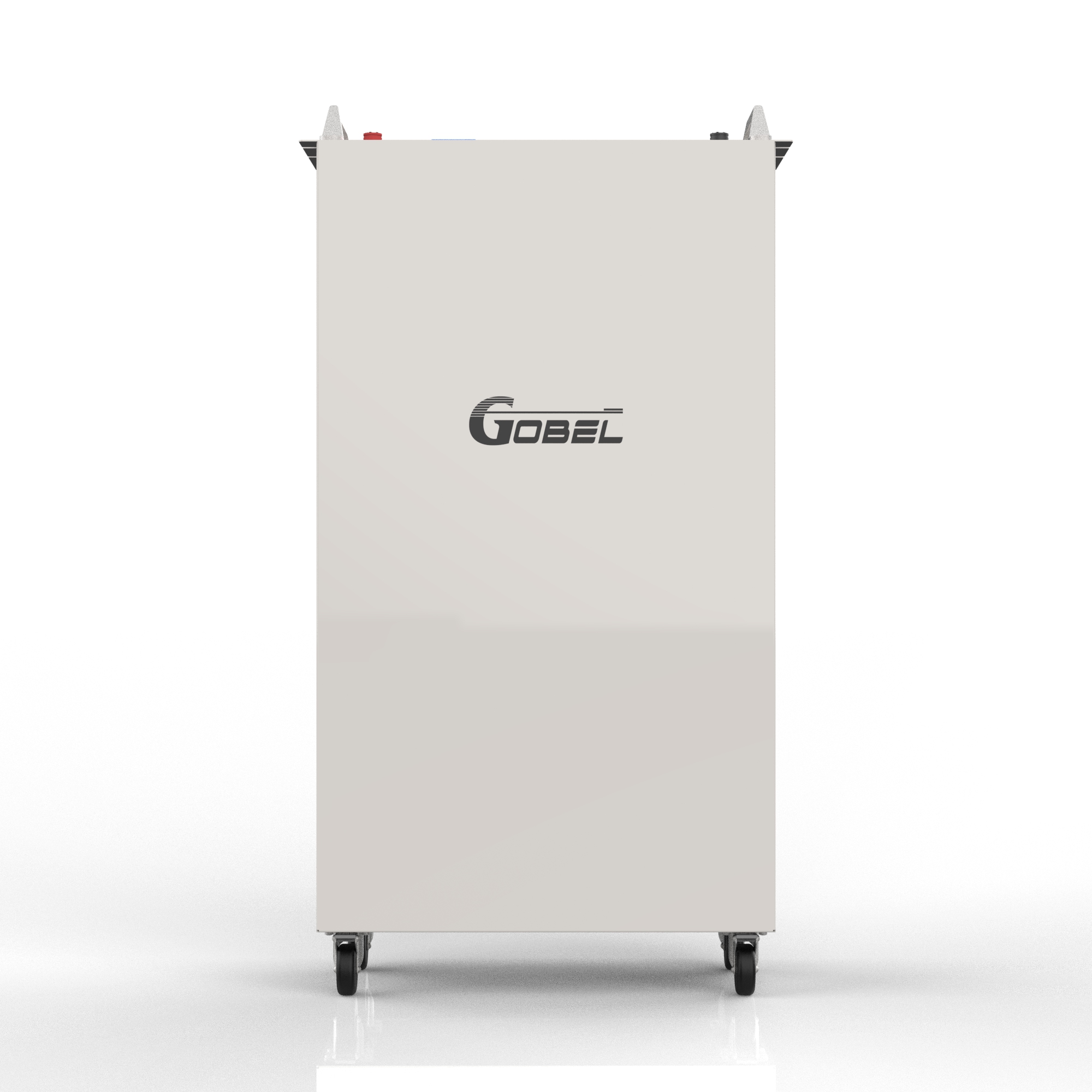
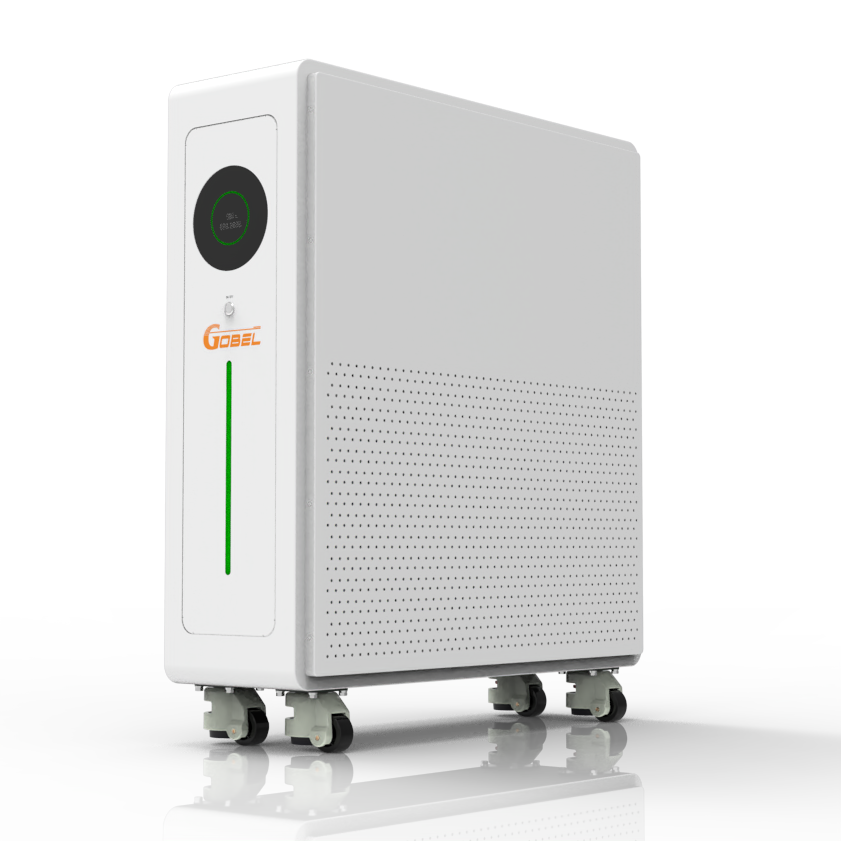
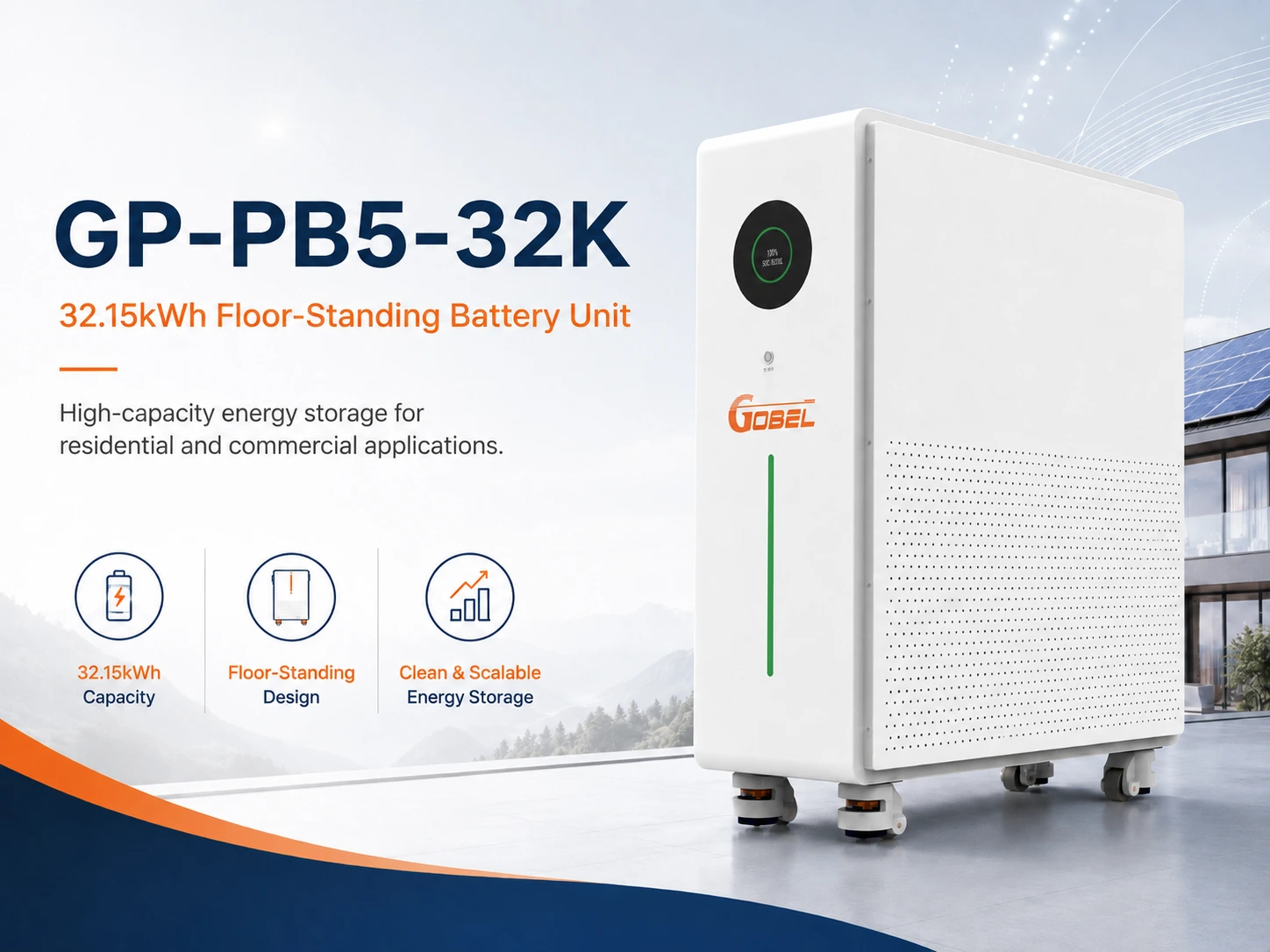
Gobel Power offers 5 kWh-class modular batteries and larger solutions such as PowerHarp 32. Product selection should follow a site-specific assessment by a qualified installer. Poland’s plan offers a broader investment context, while each solar-plus-storage project still needs its own technical and commercial case.
Source: European Commission, Directorate-General for Energy, Commission assesses Poland’s 2030 National Energy and Climate Plan, 13 November 2026.
 Copyright © 2026 Gobel All Rights Reserved.