Home Energy Storage Solutions: Complete Guide for Off-Grid & Hybrid Solar Systems
Home Energy Storage Solutions: The Ultimate Guide to Residential Power Independence
Rising grid electricity costs, frequent power outages, and the shift toward clean energy have made home energy storage solutions (HESS) an essential investment for modern homeowners. By pairing high-efficiency solar panels with advanced lithium iron phosphate (LiFePO4) battery packs, a residential energy storage system allows you to store excess solar energy during the day and use it whenever needed.
Whether you want to lower your monthly utility bills, secure uninterrupted backup power during blackouts, or achieve complete off-grid power independence, this guide covers everything you need to know about home energy storage systems.
What Is a Home Energy Storage System?
A home energy storage system captures generated electricity from solar panels (or the utility grid during off-peak hours) and stores it in high-capacity batteries. The system then delivers this stored power to your household appliances during peak electricity rate hours or grid failures.
A complete home energy storage solution typically consists of four core components:
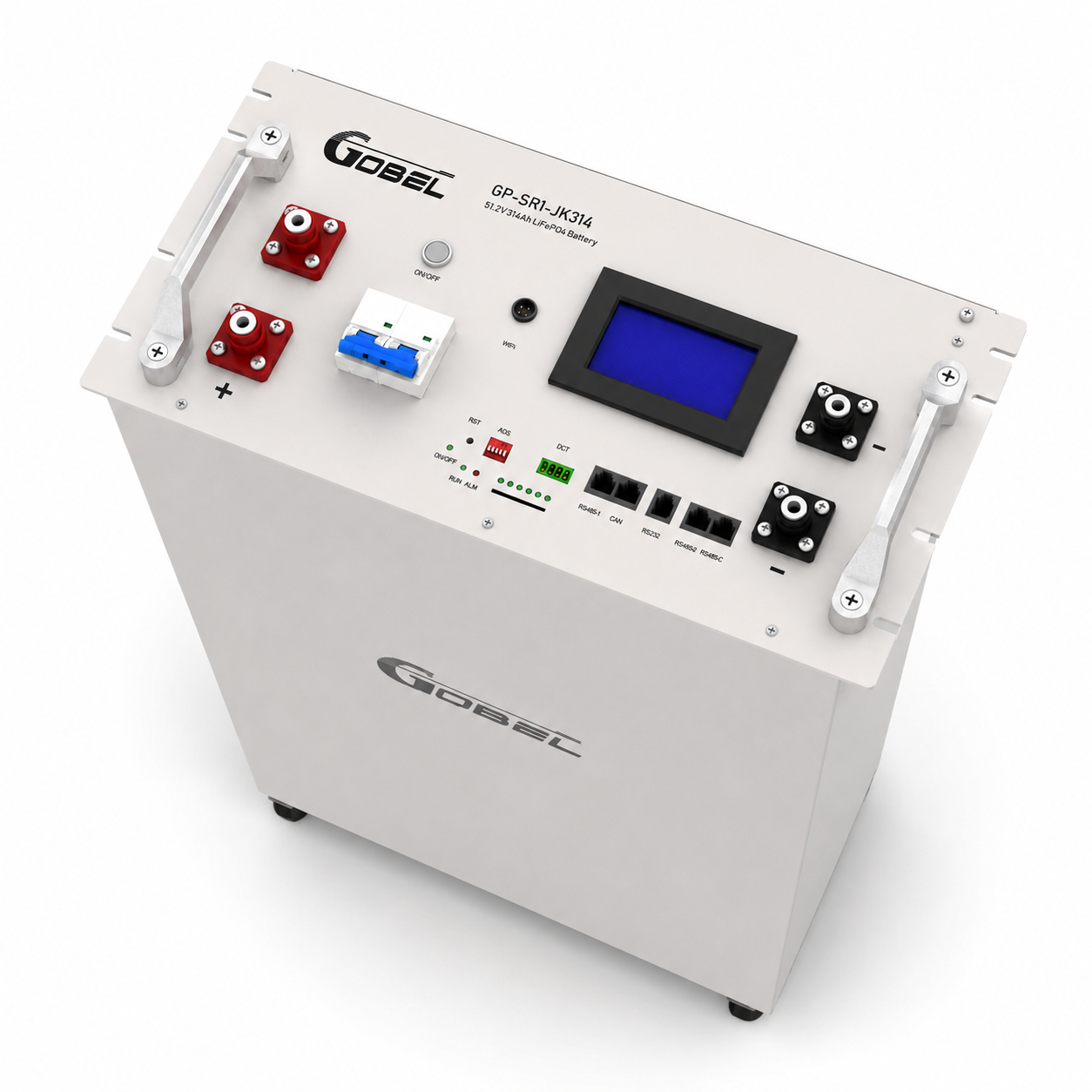

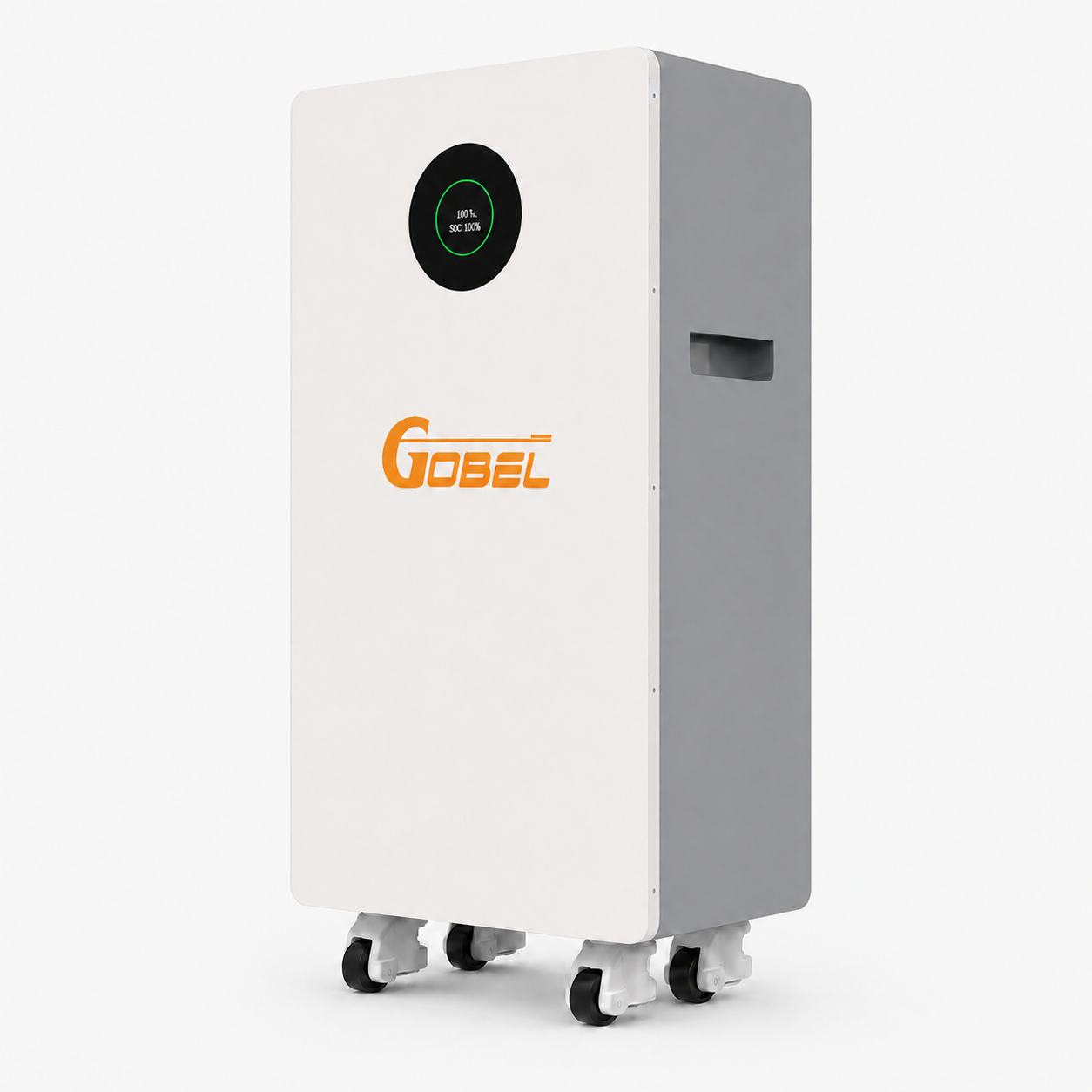
LiFePO4 Battery Pack: High-density, long-lifecycle energy storage unit (e.g., 51.2V server rack or wall-mounted batteries).
Hybrid Solar Inverter: Converts direct current (DC) from panels/batteries into alternating current (AC) for household appliances.
Battery Management System (BMS): Monitors cell voltage, temperature, and balancing to ensure maximum safety and lifespan.
Smart Energy Meter & Controller: Manages real-time energy flow between solar, battery, grid, and home loads.
Key Benefits of Residential Solar Battery Storage
1. Reduced Electricity Bills & Peak Shaving
In regions with Time-of-Use (TOU) electricity tariffs, power is significantly more expensive during peak evening hours. Stored solar energy lets you power your home during these high-cost windows, reducing grid reliance and dramatically lowering monthly energy costs.
2. Uninterrupted Power Supply (UPS) Backup
Grid blackouts caused by severe weather or equipment failure can disrupt remote work, refrigeration, and medical devices. Advanced home energy storage systems automatically switch to battery power in under 10 milliseconds during an outage.
3. Maximum Solar Self-Consumption
Without battery storage, surplus solar power produced during midday is fed back to the grid—often at low feed-in tariffs. Battery storage allows you to retain up to 90%+ of your self-generated solar energy for nighttime use.
Home Energy Storage Systems Comparison
| System Type | Primary Application | Battery Chemistry | Typical Capacity |
|---|
| Grid-Tied Storage | Bill reduction & peak shaving | LiFePO4 (LFP) | 5kWh – 15kWh |
| Hybrid Storage | Grid reduction + outage backup | LiFePO4 (LFP) | 10kWh – 30kWh |
| Off-Grid Storage | 100% self-sufficient remote power | LiFePO4 (LFP) | 20kWh – 60kWh+ |
Frequently Asked Questions (FAQ)
How long does a home battery storage system last?
Modern LiFePO4 home batteries offer over 6,000 deep discharge cycles at 80% Depth of Discharge (DoD). Under normal daily cycling, a quality LiFePO4 battery system lasts between 15 to 20 years.
What size energy storage system does a typical home need?
An average household consuming 15–30 kWh per day typically installs a 10kWh to 20kWh battery bank paired with a 5kW to 12kW hybrid inverter, depending on critical loads and solar array size.