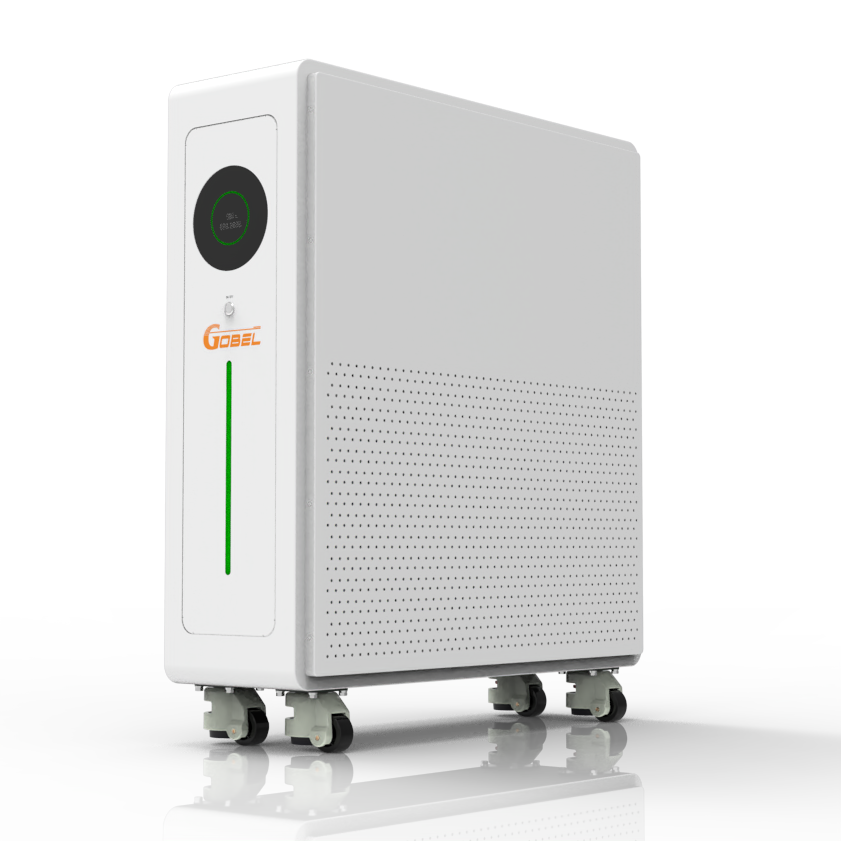
A positive policy signal for European households: on 10 March 2026, the European Commission published its Citizens Energy Package, setting out practical actions intended to lower household energy bills, strengthen consumer protection and help citizens participate more actively in the clean-energy transition. For the residential energy storage market, the most important message is clear: European homes are increasingly expected to become active energy assets rather than passive electricity users.

The package brings together measures around affordable energy, consumer rights, self-generation and participation in energy communities. It does not mean that every household automatically receives a battery subsidy, and national implementation will still differ. However, it creates a stronger policy environment for households to generate, manage, store and share clean electricity.
That direction matters because rooftop solar alone does not always match a family’s consumption profile. Solar production typically peaks around midday, while residential demand often rises in the morning and evening. A home battery can store part of that daytime surplus and make it available later, increasing solar self-consumption and reducing exposure to expensive peak-period electricity.
Under a more consumer-focused electricity market, the value of a residential battery is not limited to emergency backup. A properly designed solar-plus-storage system can support several daily objectives: using more locally generated electricity, shifting grid charging to lower-price periods where tariffs allow, reducing peak demand and keeping essential household loads available during an outage.
For energy communities and collective self-consumption projects, distributed batteries can also improve the timing of local renewable electricity. Storage cannot create extra energy, but it can move available energy from a low-value hour to a higher-value hour. This flexibility is increasingly important as more variable renewable generation enters Europe’s power system.
Policy momentum should not replace engineering discipline. Before selecting a home energy storage system, buyers should compare usable energy rather than nominal capacity, continuous and peak power, inverter communication, battery management system protections, round-trip efficiency, warranty terms, installation environment and future expansion options.
System sizing should begin with measured household consumption and the loads that must remain powered. A 5.12 kWh modular battery can be appropriate for targeted evening use or a small backup circuit, while 16–18 kWh systems can serve larger daily loads. A 32 kWh configuration may suit high-consumption homes, heat pumps, EV charging or longer backup targets, but only after a qualified installer checks the electrical design.
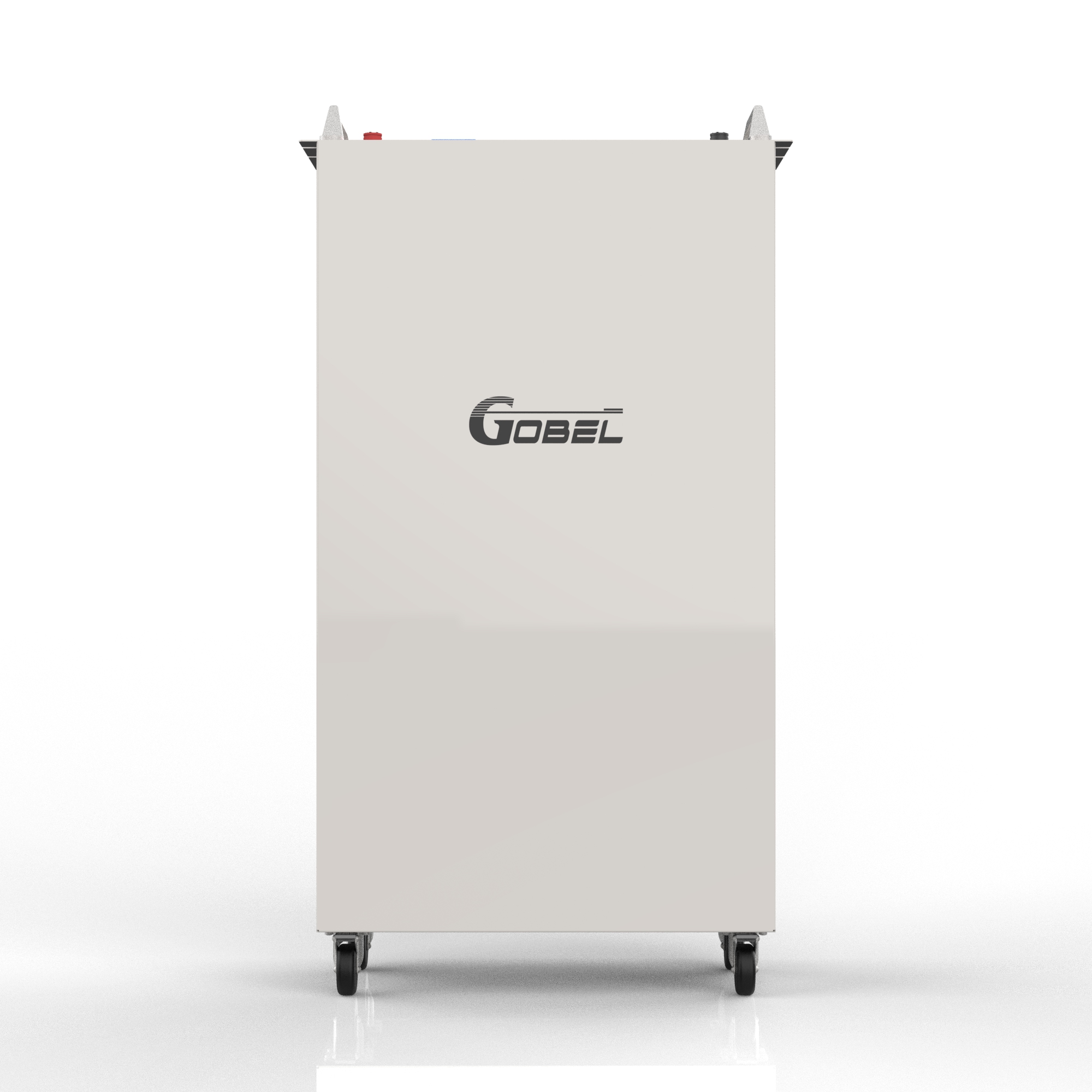
Gobel Power’s LiFePO4 portfolio includes modular server-rack, wall-mounted and higher-capacity home battery options. For European projects, the right product should be selected around usable capacity, required power, compatible inverter protocols and local installation requirements—not capacity alone.
The Citizens Energy Package is good news because it strengthens the role of households in Europe’s energy transition. Its real impact will depend on national rules, tariff design, grid procedures and accessible financing, but the policy direction supports a future in which solar generation, smart controls and residential battery storage work together.
For homeowners, the next step is to review actual electricity usage and request a transparent system proposal. For installers and distributors, this is the time to prepare interoperable battery packages, clear commissioning procedures and after-sales support for a growing European solar battery market.
Official source: European Commission, Actions supporting affordable energy. Product suitability and financial returns depend on local regulations, tariffs and site conditions.
 Copyright © 2026 Gobel All Rights Reserved.