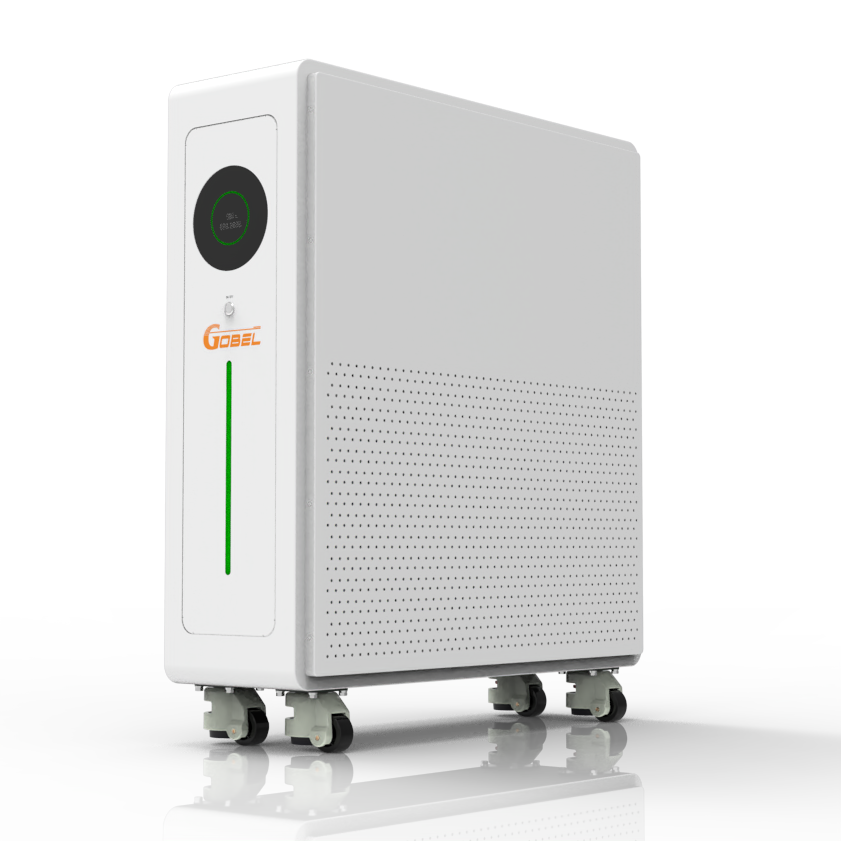
Europe has reached an important consumer-energy milestone. The European Commission states that EU rules on energy sharing apply from 17 July 2026, alongside the possibility of using multiple suppliers for an individual premises. For households with rooftop solar, this creates a more supportive framework for participating in local clean-energy arrangements—and gives smart home battery storage a more meaningful role.

Energy sharing allows consumers to participate in arrangements where renewable electricity generated at one location can be allocated to other participating consumers under applicable national and market rules. In practice, this can support apartment buildings, neighbourhood projects, families with more than one property, local energy communities and groups in which some members have suitable solar roofs while others do not.
The new framework should not be confused with physically sending a specific electron from one home to another. Electricity continues to flow through the grid, while metering, contracts and settlement determine how shared generation is allocated. National implementation, network charges, taxes and supplier processes will influence the commercial model in each EU country.
Solar production and household demand rarely occur at exactly the same time. Without storage, a community may have abundant renewable electricity at noon but still purchase more grid electricity during the evening peak. A battery helps shift part of that surplus into later hours, which can increase local use of renewable generation and reduce avoidable peak demand.
A smart residential battery can also respond to time-of-use prices, reserve energy for essential backup loads and coordinate charging around solar output. Where market and aggregator rules permit, flexibility services may provide an additional use case. These benefits depend on local contracts and technical qualification, so they should be treated as project-specific opportunities rather than guaranteed income.
For installers, an energy-sharing project requires more than adding battery capacity. The complete system must combine accurate metering, a compatible hybrid inverter or charger, reliable BMS communication, export control where required and a clear energy-management strategy. Cybersecurity, firmware support and commissioning records also become important when multiple digital platforms exchange operating data.
Battery power is as important as battery energy. Energy capacity, measured in kWh, indicates how much electricity can be stored; power, measured in kW, indicates how quickly it can be delivered. A system intended to run a heat pump, cooking loads or EV charging needs different power capability from a system designed only for lighting, refrigeration and communications.
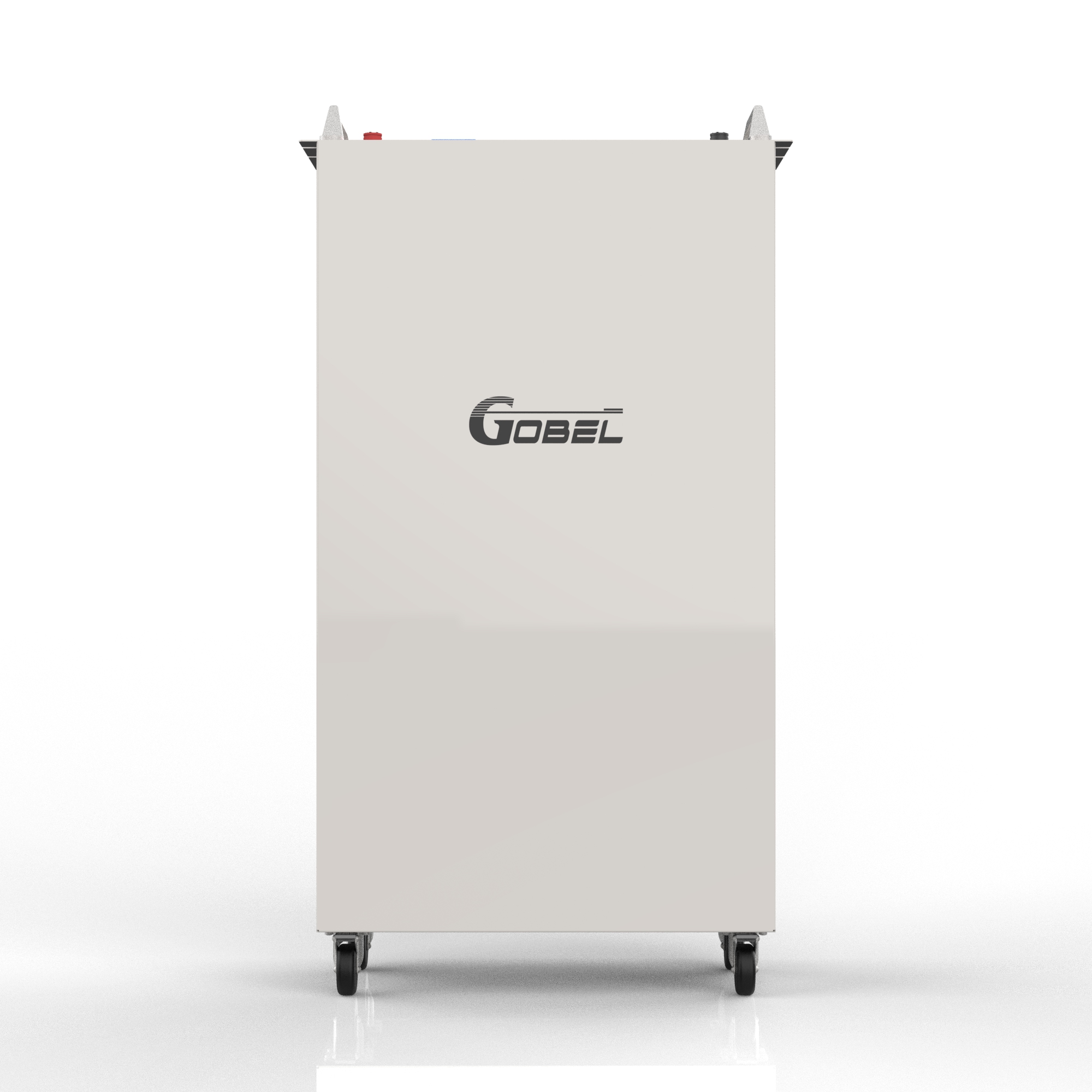
Modular LiFePO4 batteries are well suited to this changing market because they can be sized for today’s load and expanded as household demand grows. Gobel Power offers 5.12 kWh-class modules and higher-capacity 16–32 kWh home battery solutions that can be matched to compatible inverters and different backup objectives.
The 17 July 2026 milestone is positive for European consumers because it supports broader participation in renewable energy instead of limiting the benefits to households with the ideal roof. It can also encourage installers, suppliers and energy communities to design more flexible solar-plus-storage packages.
Households should still request a country-specific assessment covering metering, supplier arrangements, grid approval, taxes, battery placement and electrical protection. The most successful projects will combine sound policy, transparent contracts and technically compatible equipment.
Official source: European Commission, Protecting and empowering energy consumers. Requirements and commercial benefits vary by EU member state and electricity market.
 Copyright © 2026 Gobel All Rights Reserved.