On 10 November 2026, the European Commission announced the first winners of its Prize for Governance Innovations in Energy Communities. Ten citizen-led initiatives in six countries will share €1 million. The award recognises how communities involve members, make decisions and distribute benefits—not the size of their battery installations. For solar installers and project developers, the announcement is a useful reminder that equipment and community design must work together.
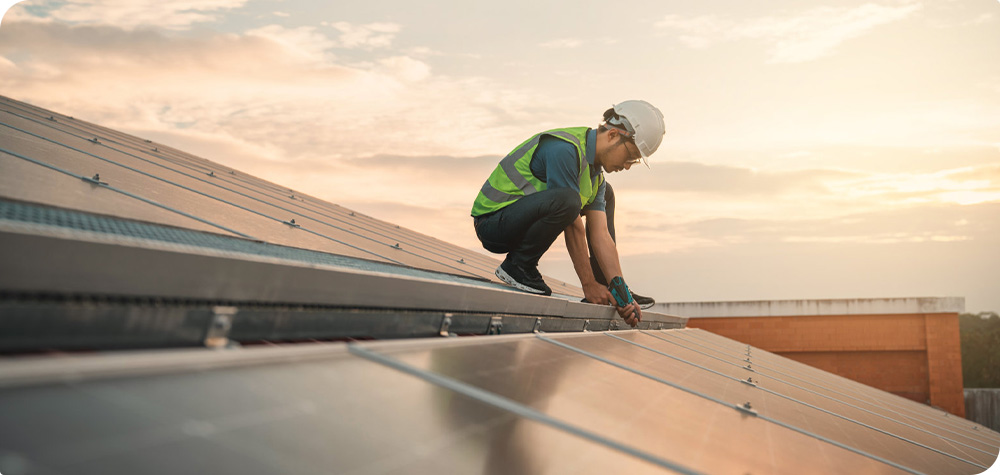
The Commission selected projects in Spain, Austria, Portugal, the Netherlands, Belgium and Greece. The largest award, €350,000, went to Manza Energía in Spain. According to the Commission, its 100 kWp solar installation on a municipal sports hall shares electricity with the sports centre, a public school and local families, prioritising energy-vulnerable households. Austria’s Robin Powerhood received €200,000 for a model in which members donate surplus solar electricity to households experiencing energy poverty. These are examples of inclusive energy sharing; the announcement does not state that each winner uses battery storage.
In a community solar project, generation and demand rarely line up perfectly. Batteries can move some midday solar output into evening hours, help manage peak loads and support critical circuits where the electrical design allows. The value depends on metering, tariffs, network rules, battery operating limits and who is entitled to use stored energy. A project should model those conditions before selecting capacity; the EU prize itself is not a storage grant or a guarantee of project returns.
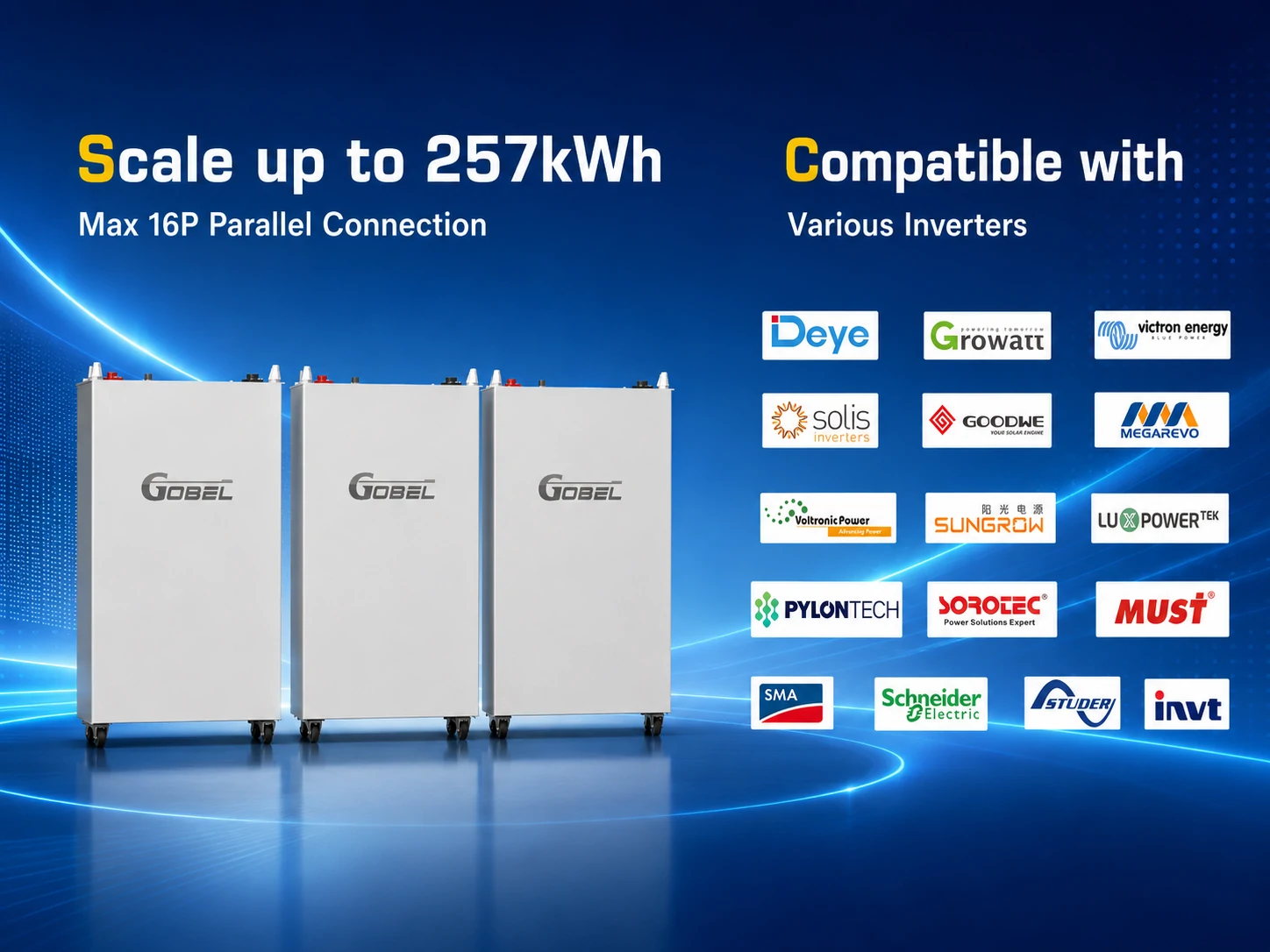
First establish who owns the generation, battery and meter data, and how savings will be allocated. Then compare hourly generation with the demand of participating households or buildings. Battery sizing should account for usable kWh, continuous kW, inverter compatibility, safety protection, service access and a transparent maintenance plan. Those engineering choices help turn a well-governed community into a reliable solar-plus-storage system.
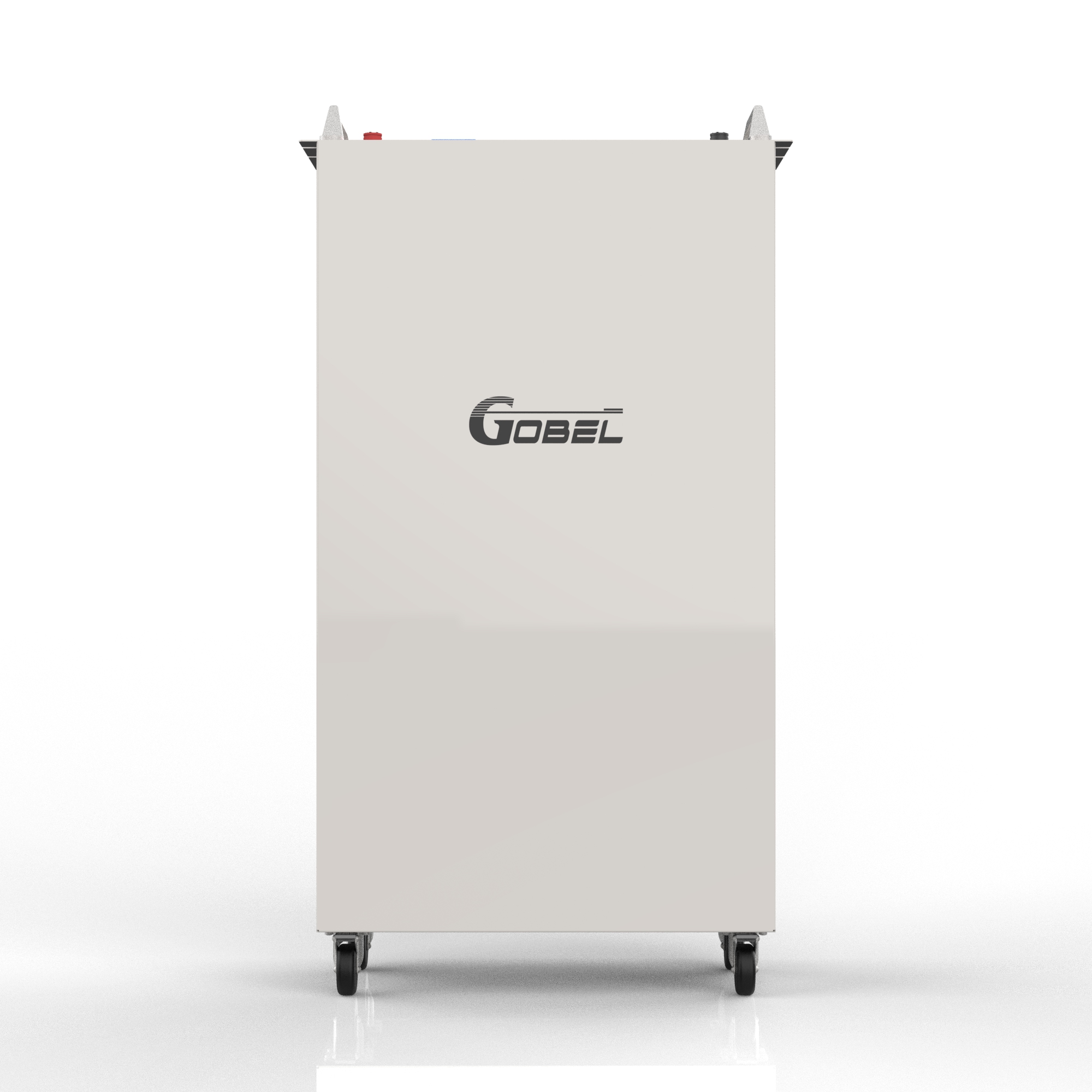
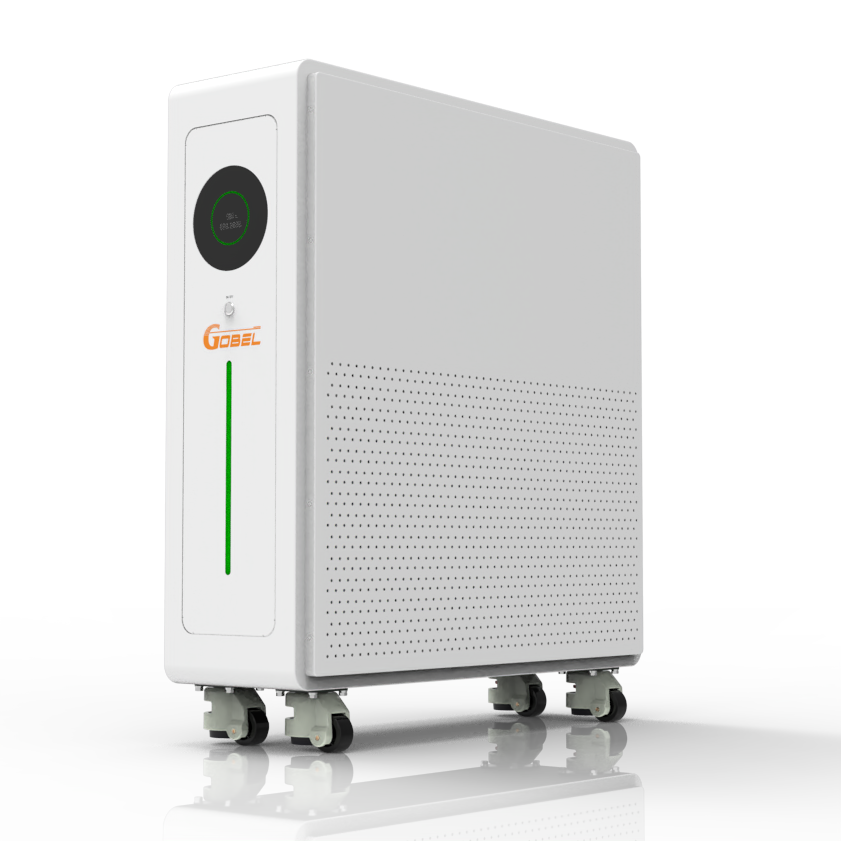
Gobel Power’s modular LiFePO4 products, including the PowerFable 16 rack battery, can be evaluated as one component of such a design. Suitability depends on the approved inverter, site conditions and local energy-sharing rules; participation in the Commission prize does not imply endorsement of any manufacturer.
Source: European Commission, Directorate-General for Research and Innovation, Ten citizen-led energy communities win the first EU Prize for Governance Innovations in Energy Communities, 10 November 2026.
 Copyright © 2026 Gobel All Rights Reserved.