On 10 November 2026, the European Commission announced approval of a €2.04 billion Belgian State aid scheme for offshore wind energy. The Commission links the measure to the Clean Industrial Deal and the transition towards a net-zero economy. It is a significant renewable-generation decision, but it is not a direct subsidy for home batteries. The related question for energy buyers is how a system with more variable renewable generation can use flexibility effectively.
The verified Commission announcement identifies the Belgian offshore wind support scheme and its €2.04 billion value. It describes the measure as contributing to Europe's net-zero transition. The announcement does not say that households can claim a battery grant from this scheme. Prospective installers and distributors should therefore avoid treating the figure as a storage incentive or assuming that wind output will immediately change a customer's bill.
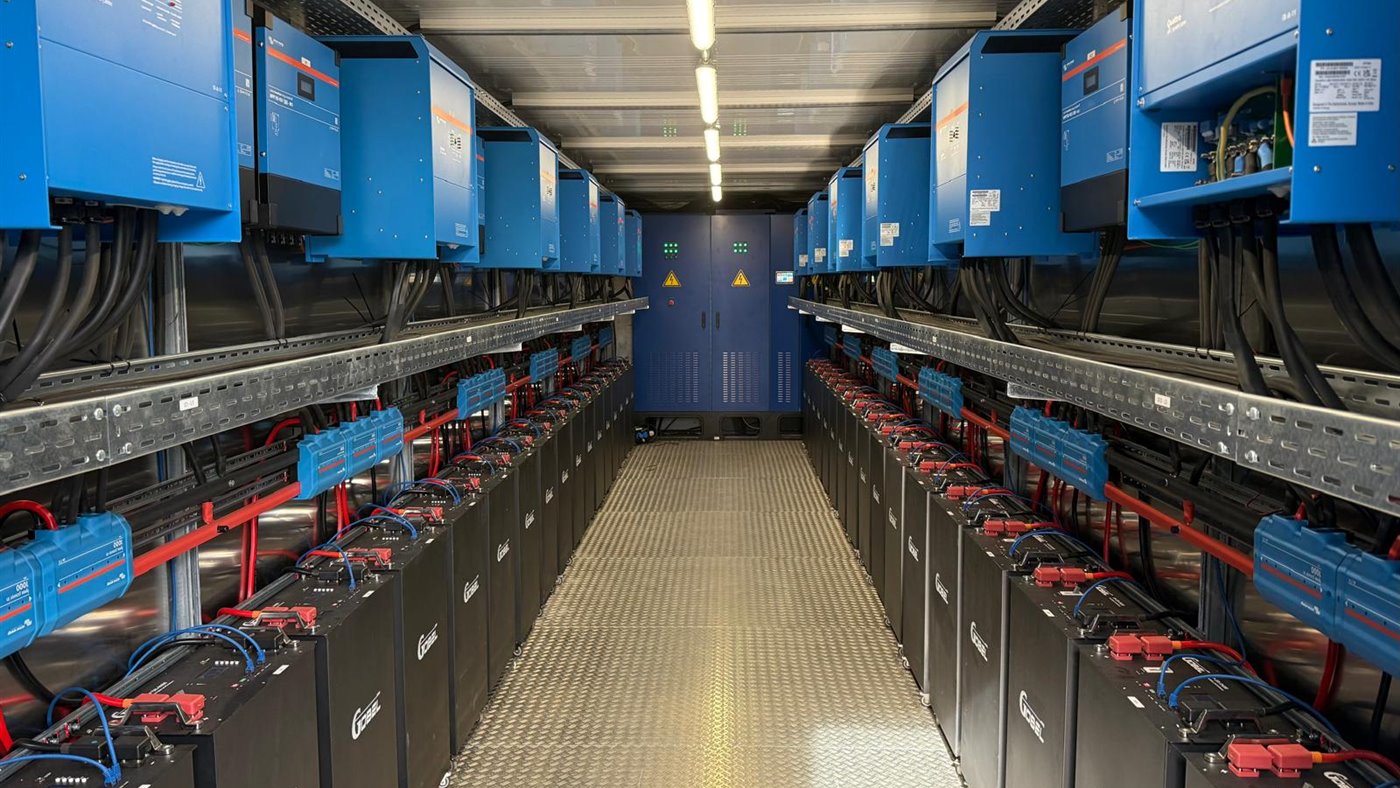
Wind generation varies with weather, while homes and businesses use electricity on their own schedules. Grid operators balance that difference through a combination of forecasting, flexible generation, interconnection, demand response and storage. A household solar battery sits at the customer end of this wider system: it may increase on-site solar use, shift consumption under a suitable tariff and provide backup with the right electrical design. Its business case must be modelled against actual consumption and local market rules. A wind-policy announcement alone cannot establish battery savings.
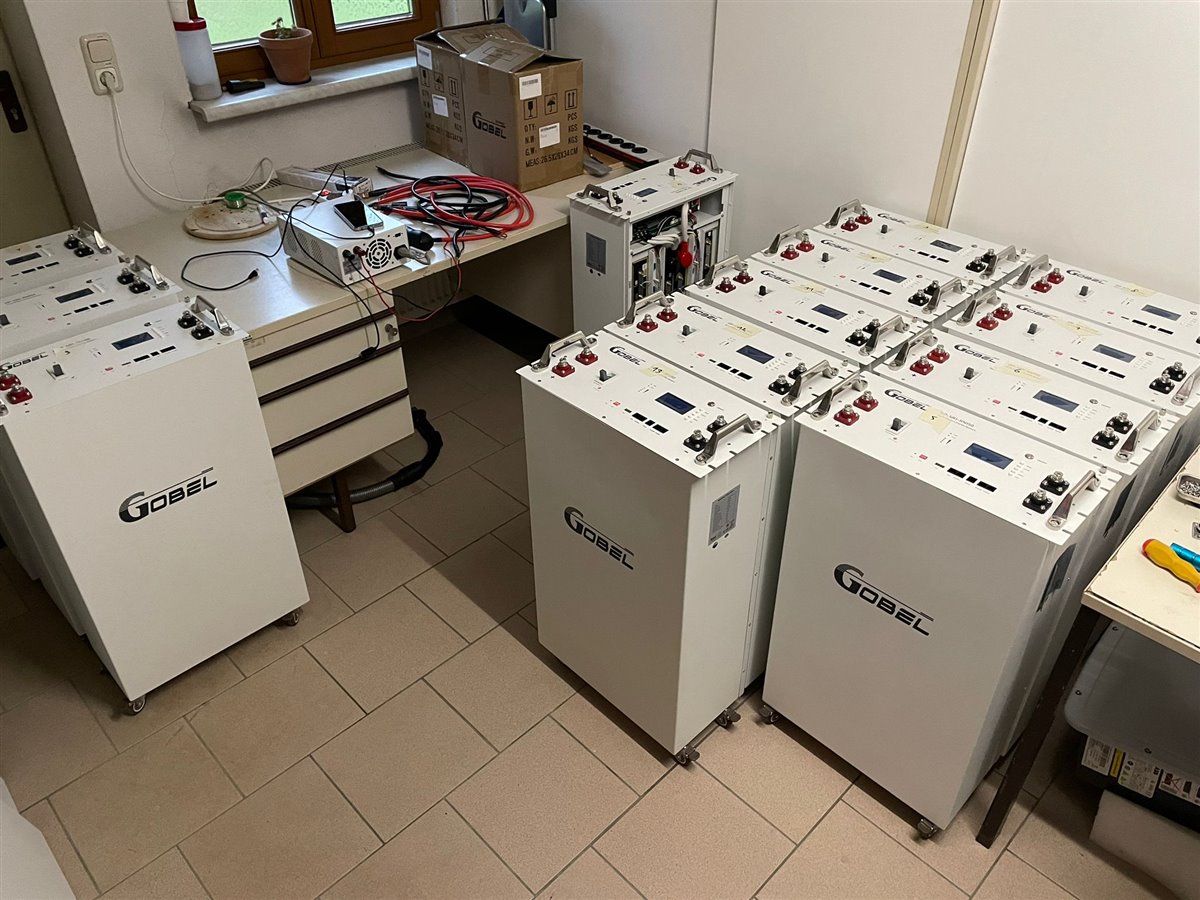
Before specifying a battery, compare hourly demand with solar production and any time-varying import or export prices. Identify whether the objective is self-consumption, peak management, backup or a combination. Then check usable energy capacity, continuous output, inverter communication, warranty terms, installation environment and applicable Belgian or other local grid rules. For backup, verify the transfer arrangement and critical-load wiring; a standard grid-connected solar system may shut down during an outage.
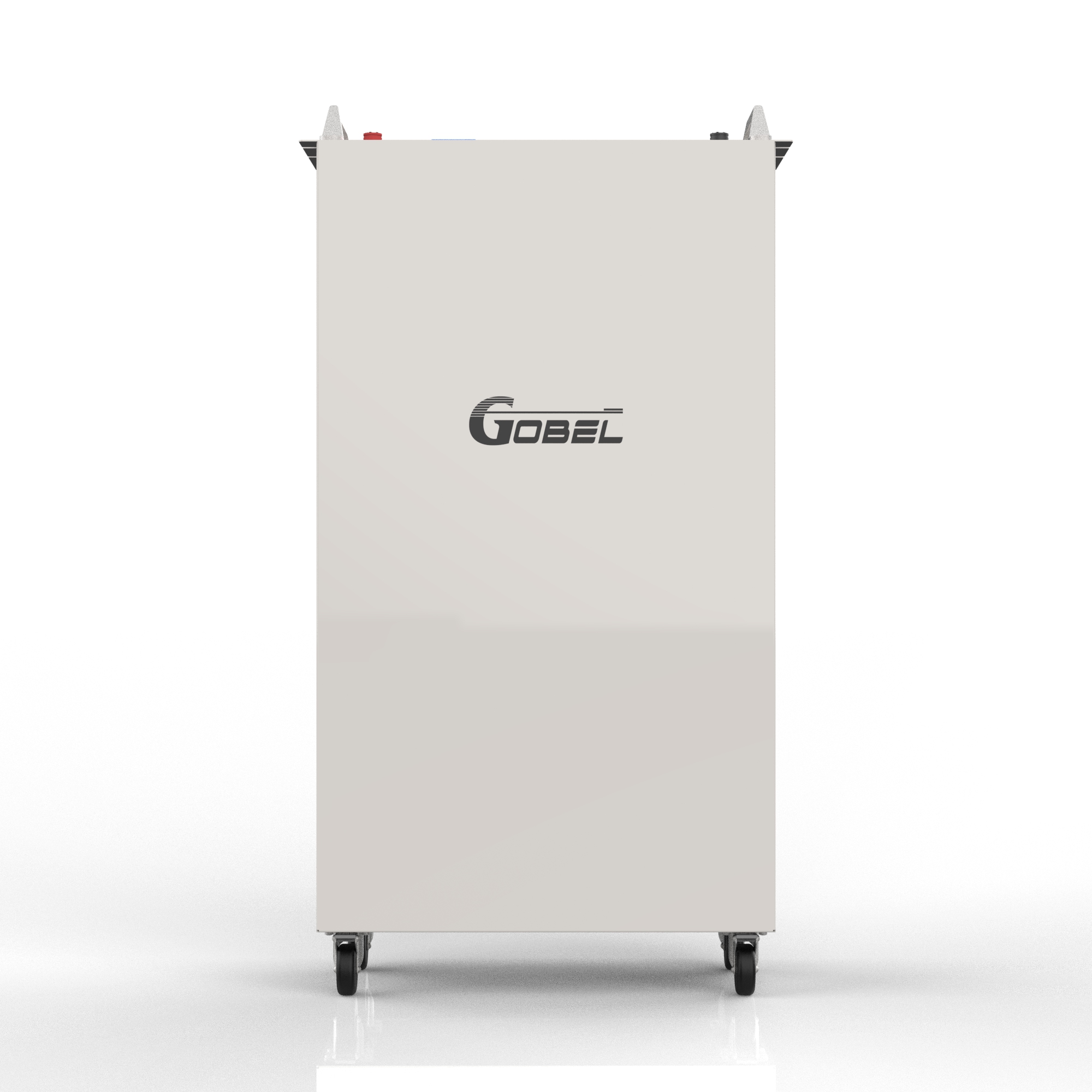
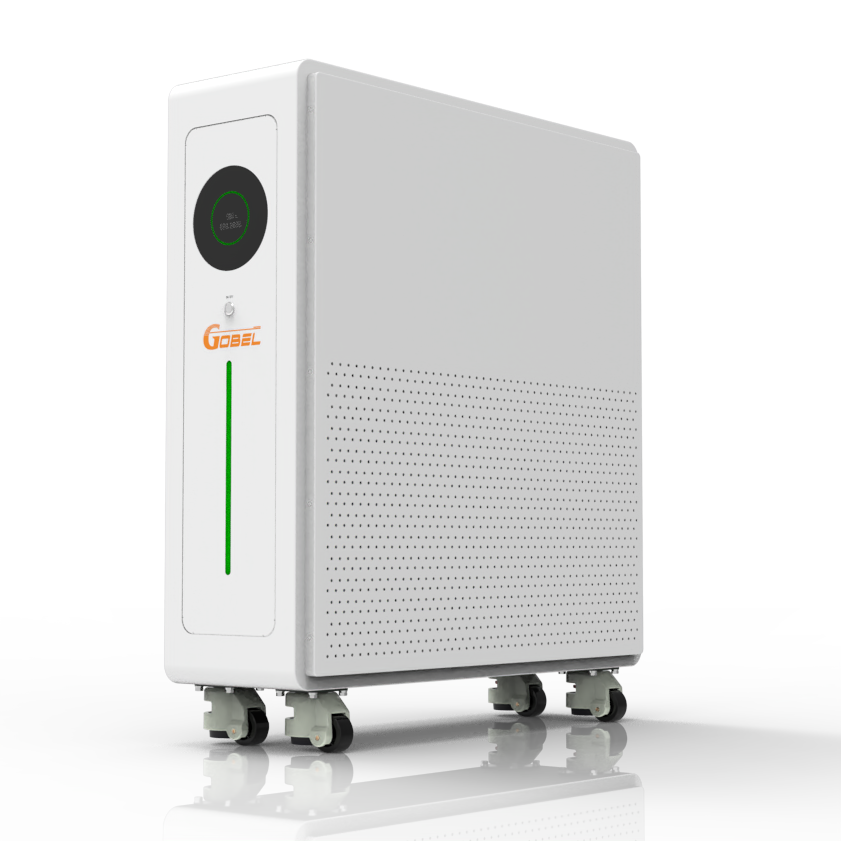
Modular LiFePO4 systems such as Gobel Power's PowerFable 16 can be considered within that engineering review. The Commission's Belgian decision supports offshore wind; any benefit from customer-side storage remains dependent on the specific project, tariff and regulatory setting.
Source: European Commission, Commission approves Belgian State aid to support offshore wind energy, 10 November 2026.
 Copyright © 2026 Gobel All Rights Reserved.