For years, a home battery in Europe had exactly one job: store midday solar surplus and release it in the evening. That logic is built on the gap between the retail price you pay (roughly 37 cents per kWh for a typical German household in 2026, according to BDEW) and the feed-in tariff you earn (about 7.7 cents for a new small rooftop system in Germany). Every kWh you shift across that ~29-cent gap saves real money, and self-consumption will rightly remain the core job of any battery.
What has changed in 2026 is that a second job has been added — and for many households it pays better than expected.
European law now treats storage as a grid asset rather than a curiosity. Regulation (EU) 2019/943 forbids network charges from discriminating against storage, and Directive (EU) 2019/944 requires member states to make dynamic tariffs available to customers with smart meters — while also ruling that owners of stored electricity may not be charged twice for grid fees. The 2024 market-design revision pushed member states to actually implement these tariffs. Germany went furthest: since January 2025, every supplier must offer a dynamic tariff to customers with an intelligent metering system, and day-ahead prices now settle in 15-minute slots.
On a flat tariff, charging a battery from the grid never pays — the price at 03:00 equals the price at 18:00. On a dynamic tariff, the wholesale price passes straight through: overnight and windy-sunny afternoon hours can be cheap or even negative, while the evening peak spikes. Industry analyses put well-run battery arbitrage at roughly €50–90 per kWh of capacity per year across continental Europe, on top of self-consumption savings — several hundred euros annually for a 10 kWh system. UK smart-tariff spreads are even wider. The upside is concentrated in volatile moments: on one German night in late 2025-26, prices swung from negative to well over 40 cents, and a single well-timed cycle captured close to a month's typical arbitrage value.
Arbitrage changes the sizing logic. Oversized batteries rarely complete a full cycle on quiet shoulder-season days, so extra capacity idles and drags down the per-kWh return. Industry guidance lands on 7–12 kWh of usable capacity for most European households, and 12–18 kWh where an EV and a heat pump join the picture. Other market shifts point the same direction: the Netherlands ends net metering on 1 January 2027, and France cut its surplus feed-in to around 1 cent per kWh in 2026 — in both cases, a battery becomes the default question rather than an optional upgrade.
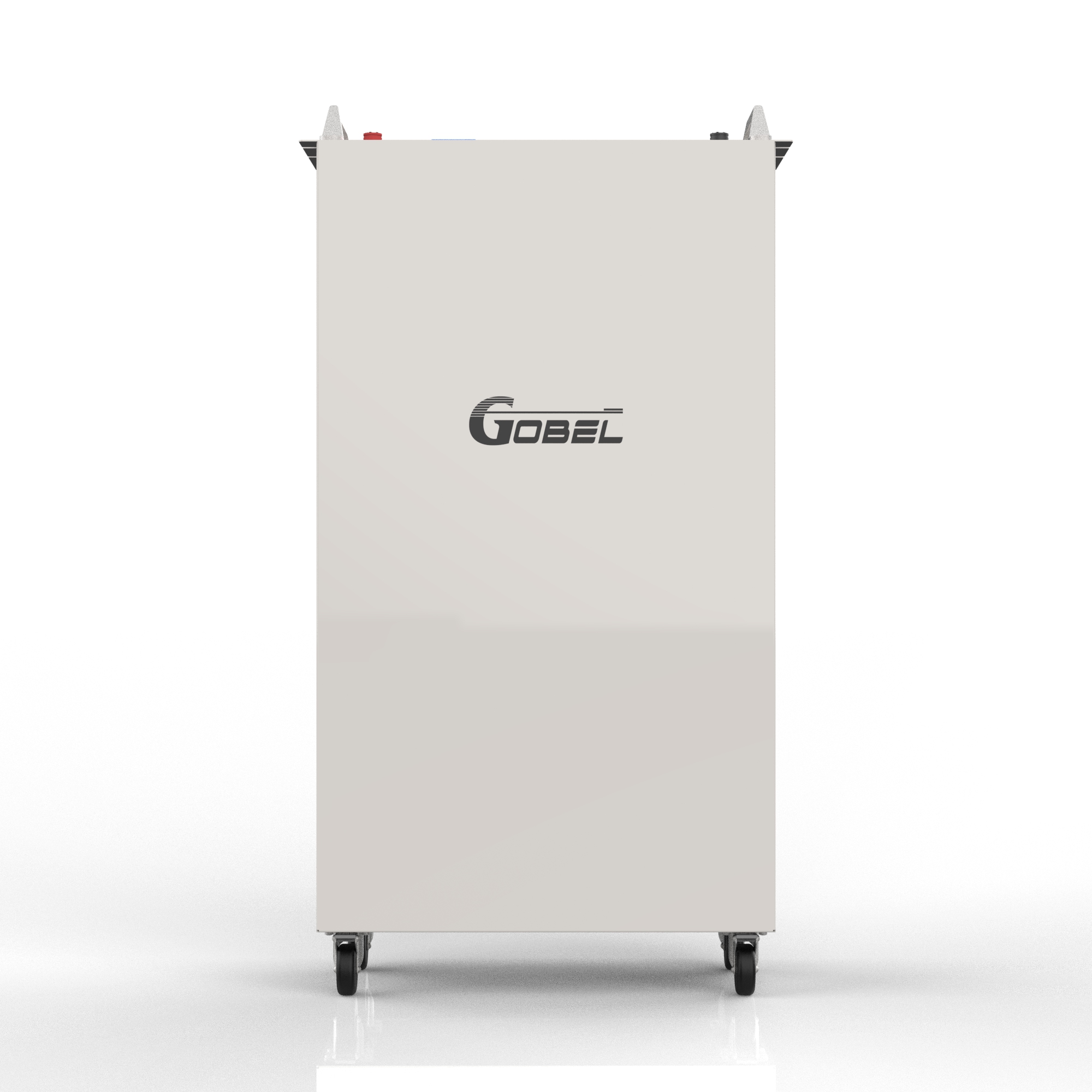
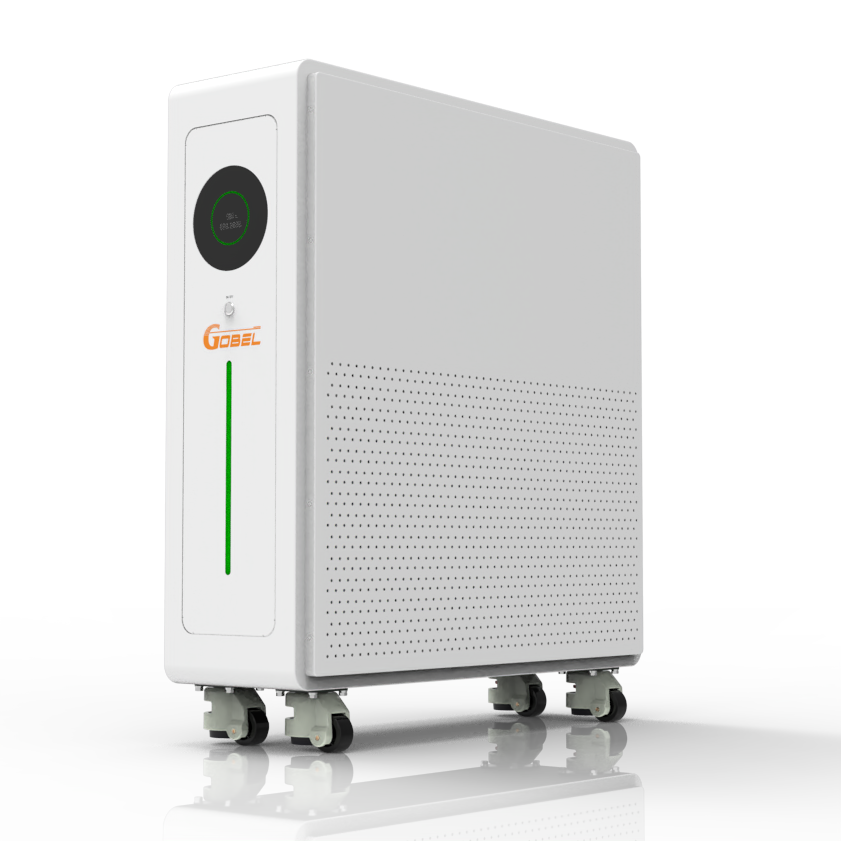
Grid charging does not replace solar self-consumption — it layers a second earning mode on top. When you plan a system, size it for your loads first with our battery sizing calculator, then verify with your installer that the inverter supports TOU grid charging and that your country's metering and tariff conditions are in place. Our LiFePO4 range works with the major hybrid inverter platforms that offer these modes, and our engineers can review your tariff scenario and load profile before you commit.
Sources: BDEW household price analysis 2026; EU Directive 2019/944 and Regulation 2019/943 (storage and dynamic-tariff provisions); German Energy Industry Act §41a (dynamic tariff obligation since 2025); industry arbitrage analyses, 2025–2026.
 Copyright © 2026 Gobel All Rights Reserved.