Adding a battery to an existing photovoltaic system can make more of its daytime generation available after sunset. It may also support selected loads during an outage, but only when the inverter, changeover equipment and wiring are designed for that operating mode. For installers, a retrofit therefore begins with an audit of the system already on the wall—not a battery size chosen from annual electricity bills.
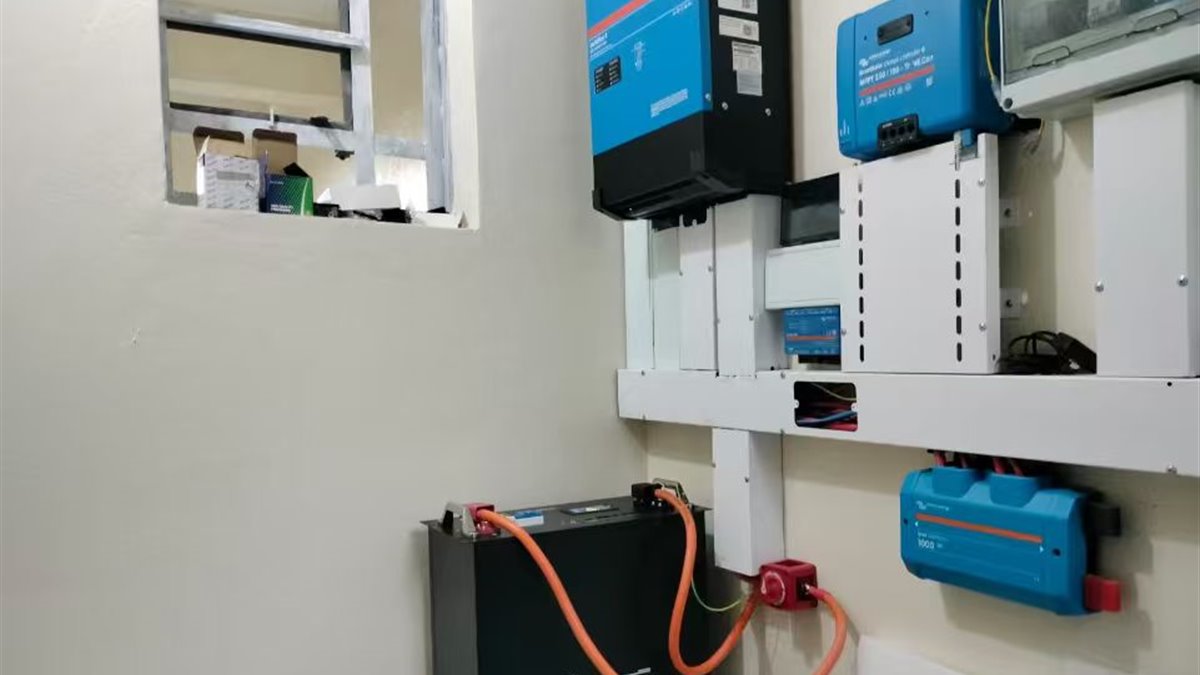
Record the PV array and inverter model, grid connection, single- or three-phase arrangement, meter position and available switchboard capacity. The existing inverter determines whether a battery can connect directly on its DC side or whether an AC-coupled battery inverter is needed. These are different system designs, with different compatibility and control requirements. An old inverter should not be assumed to support a battery because a connector or a similar model name appears in a catalogue.
Review recent interval consumption and solar generation data if they are available. A household that exports a large share of midday production may have a different storage objective from one that uses most solar power immediately. The U.S. Department of Energy explains that storage allows solar electricity to be used when generation and demand do not coincide. The value at an individual site still depends on usable capacity, conversion losses, tariffs and the customer's daily load pattern.
A grid-connected PV system usually shuts down during a grid failure unless it has an approved backup configuration. A battery alone does not change that. Ask whether the customer expects a few essential circuits, a larger backup board or whole-home support. Then calculate the simultaneous running power and starting surges for those loads, and match them against the inverter's backup output and the battery's permitted discharge. Desired runtime must be checked against usable energy after operating reserves and system losses.
The electrical design should identify transfer or isolation equipment, protective devices, earthing arrangements and the circuits that remain supplied. Local codes and utility rules govern the final installation. A proposal is more useful when it states the expected operating mode and its limits plainly, rather than promising that a headline kWh figure will keep the entire home running.
Battery voltage and capacity are necessary specifications, but they are not proof of system compatibility. Confirm the exact inverter model, firmware and supported battery communication protocol against current documentation. The battery management system and inverter must exchange the information needed for the intended charge and discharge control. Also check approved parallel expansion, cable sizing, service access, temperature range and the wall, floor or rack arrangement available at the property.
The customer installation photo illustrates the practical reality of fitting battery and power electronics into a shared equipment space. It does not establish the project's wiring topology, commissioning status or measured performance. Those details need to come from the actual site survey and design documents.
An installer-ready proposal can be short but precise: existing PV and inverter details; intended use of storage; essential-load list, if backup is required; usable energy target; peak output requirement; battery-inverter compatibility; installation conditions; and any future expansion path. This makes product comparisons meaningful and helps avoid a mismatch between the battery, inverter and customer's expectations.
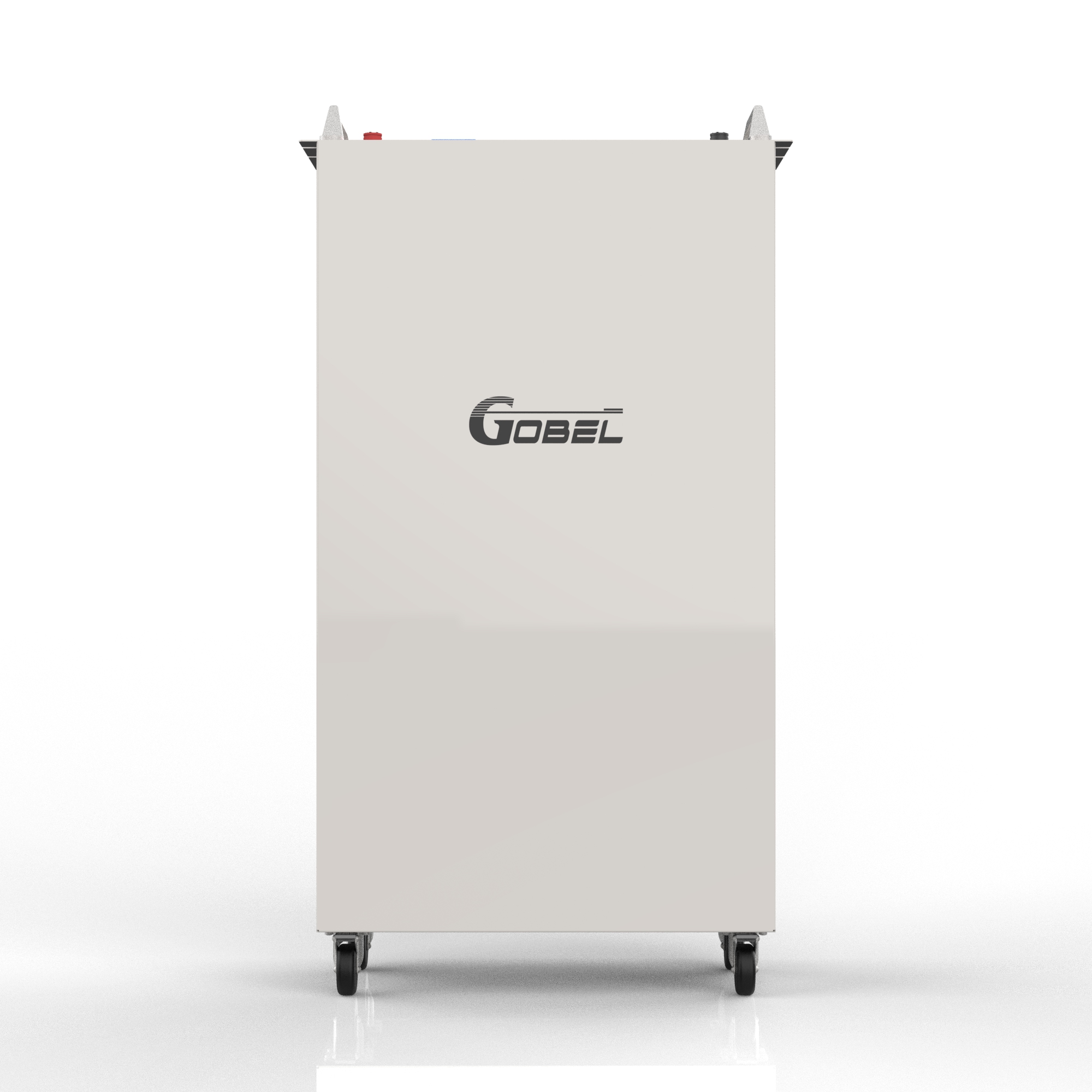
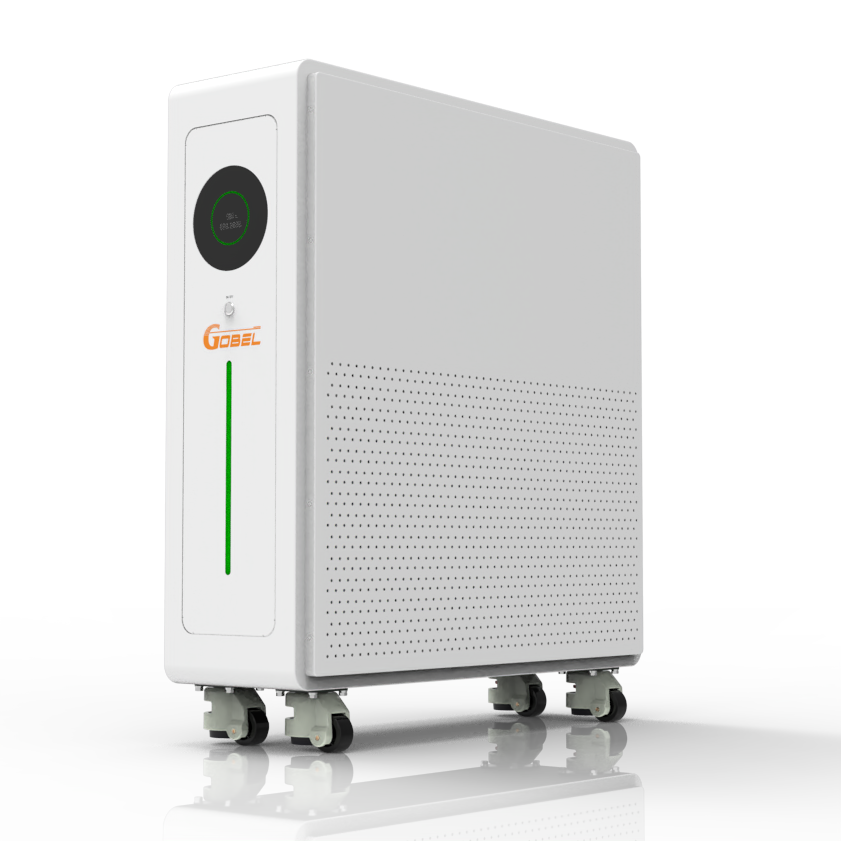
Gobel Power offers LiFePO4 formats for residential solar-plus-storage projects, including the PowerFable 16. The right choice depends on the verified system design, not on a photo or a nominal capacity figure. Share your inverter model and project requirements with our team to discuss a suitable battery configuration.
Background: U.S. Department of Energy, Solar Energy and Storage Basics; International Energy Agency, Batteries and Secure Energy Transitions. The retrofit checklist is Gobel Power editorial guidance; a qualified local installer must complete the site-specific design.
 Copyright © 2026 Gobel All Rights Reserved.