The day a solar battery is switched on is the beginning of its operating life, not the end of the project. A customer may see a full battery icon and still have an unexpected export setting, an offline monitoring gateway or a backup circuit that was never tested. For installers and distributors, a documented commissioning and monitoring handover is part of delivering a usable energy storage system.
Before handover, compare the installed equipment and firmware with the approved design. Confirm battery-to-inverter communication, charge and discharge limits, grid settings, metering direction and the operating schedule. A system intended mainly for solar self-consumption should be tested during charging and discharge conditions; a system sold for backup should also be tested in the approved outage mode, including the actual circuits the customer expects to remain live.
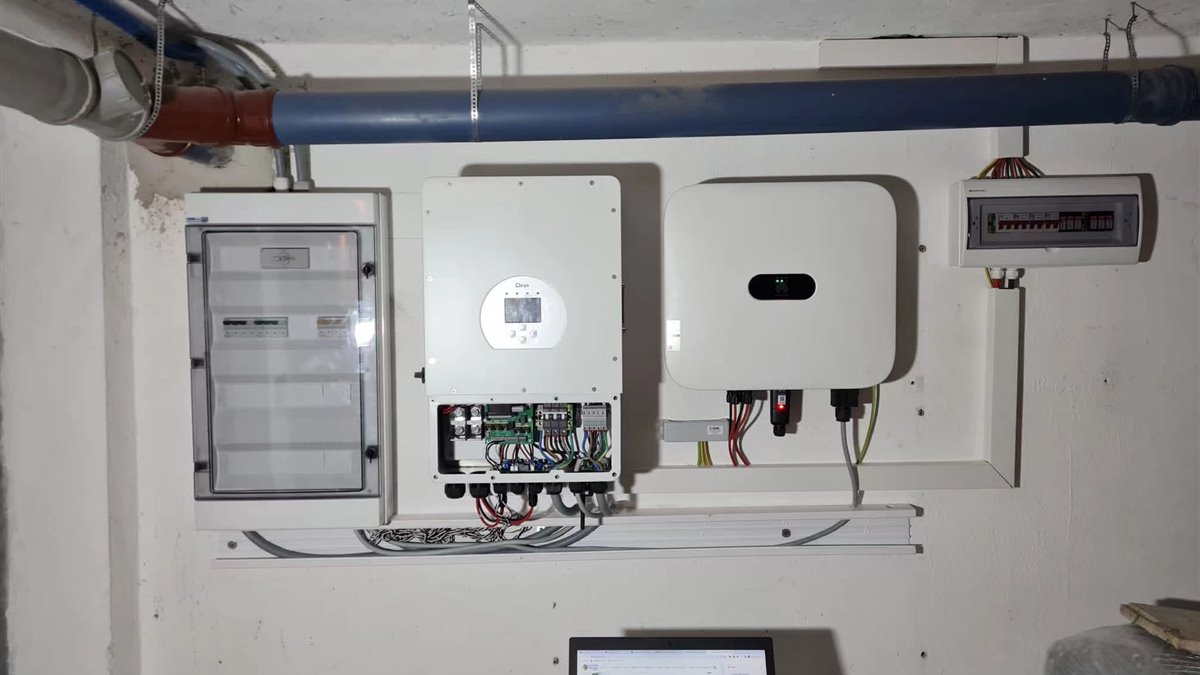
Record the result rather than relying on a green status light. Useful handover evidence includes equipment serial numbers, relevant settings, commissioning date, observed charge/discharge behaviour and any unresolved items. The customer installation image shows power electronics and distribution equipment in one room, but it cannot prove how that particular system has been configured or tested.
A monitoring screen is most useful when it answers practical questions: Is solar generation reaching the intended loads? Is the battery charging and discharging at expected times? Are state of charge, battery alarms and inverter fault messages available to the person responsible for service? Where supported by the chosen equipment, installers should check that the monitoring connection survives a routine router restart and that the customer knows who receives alerts.
Energy readings also need context. A daily chart can differ from a customer's bill because of measurement points, AC conversion losses, standby use and tariff periods. Establishing a baseline during the first operating weeks makes later troubleshooting easier. If a communication link fails, the system may still store energy, but the customer and service team can lose the visibility needed to detect an incorrect setting or respond quickly to a fault.
The handover should state who can change operating settings, where the current manuals are stored, how software updates are handled and whom to contact for inverter, battery or network problems. Avoid sharing administrator access more broadly than needed; the customer should retain an appropriate view of their own energy data. In a multi-device system, the installer should also document which supplier supports each component and what information a service request must include.
Plan simple periodic checks: physical condition and accessibility of equipment, visible warnings, communications status and whether the system still behaves as the original objective requires. Any electrical inspection or repair belongs with a qualified professional following the applicable local rules and manufacturer instructions. A customer should not be asked to open an enclosure or adjust protection equipment to solve a monitoring warning.
Alongside capacity and price, ask how a proposed battery will communicate with the selected inverter, what monitoring data are available and how service support works after installation. Those questions matter for home backup, solar self-consumption and larger distributed storage projects alike. The International Energy Agency identifies batteries as a key part of increasingly flexible electricity systems; dependable operation at each site still rests on sound integration and maintenance.
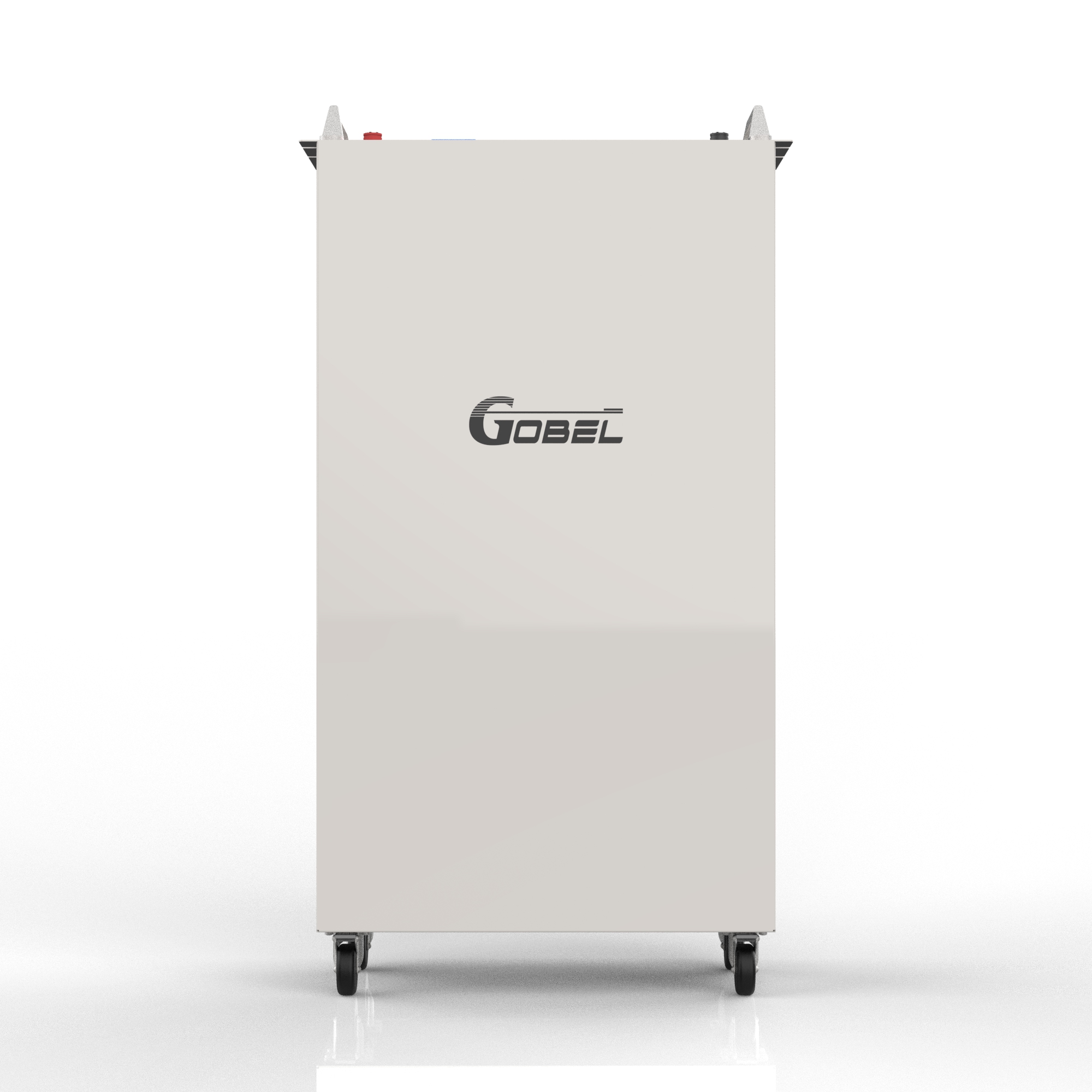
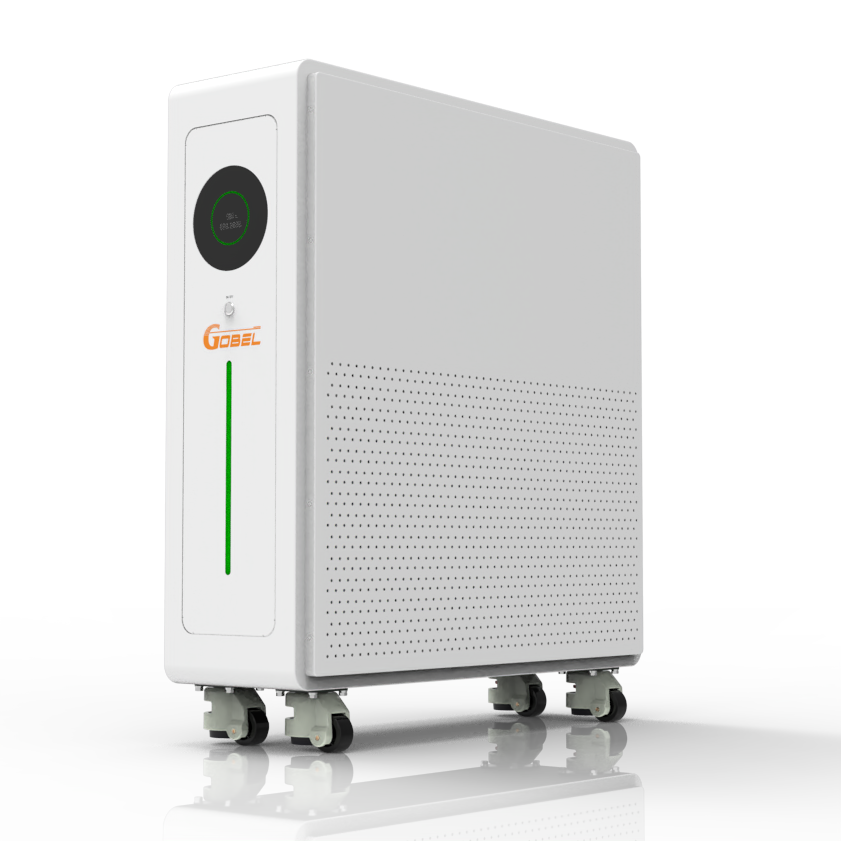
Gobel Power's home battery range gives installers several LiFePO4 formats to evaluate. Confirm the exact model and inverter protocol for every project, then send us the system details to discuss a compatible configuration and the documentation needed for handover.
Background: International Energy Agency, Batteries and Secure Energy Transitions; U.S. Department of Energy, Solar Energy and Storage Basics. The commissioning checklist is Gobel Power editorial guidance and should be adapted to local requirements and the installed equipment.
 Copyright © 2026 Gobel All Rights Reserved.