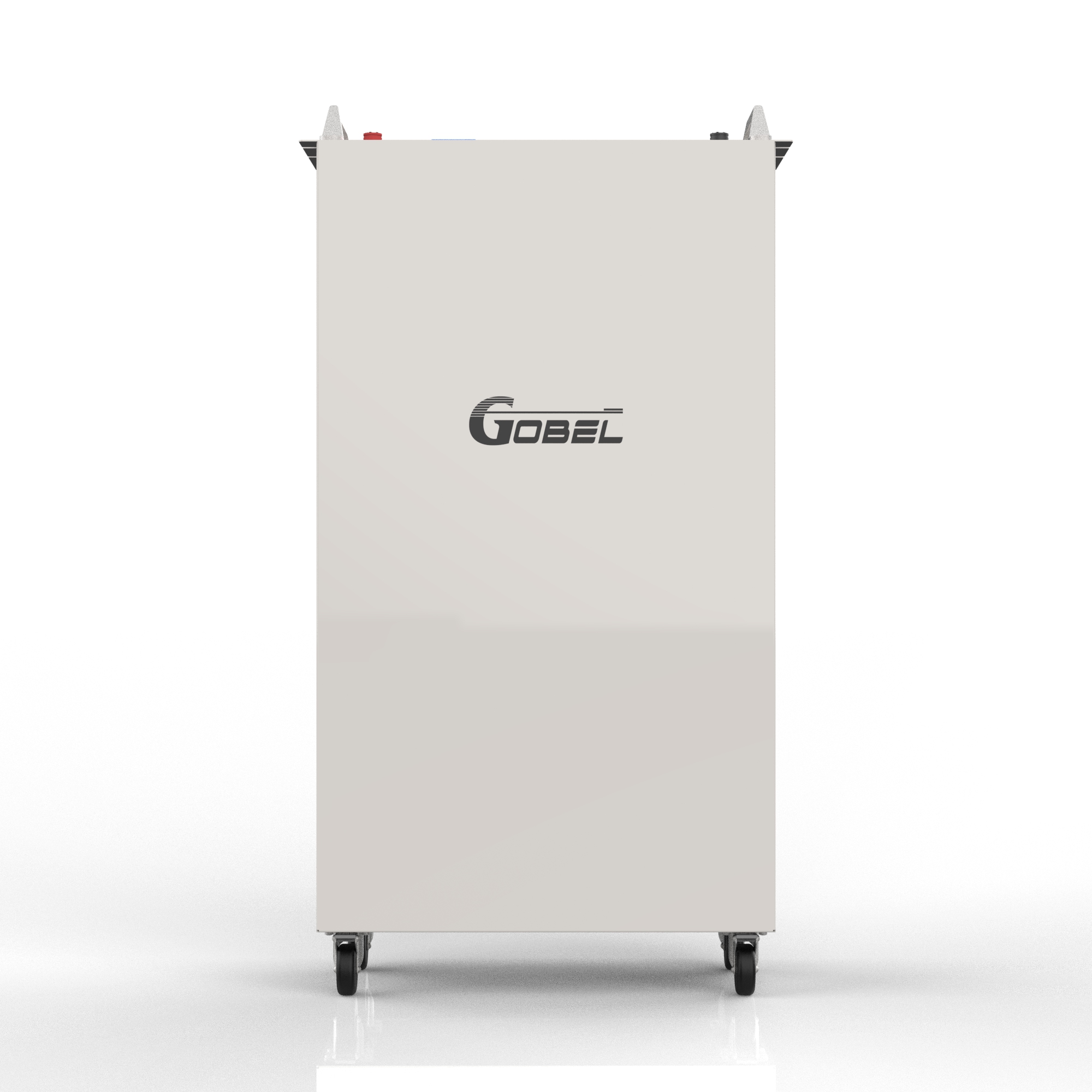
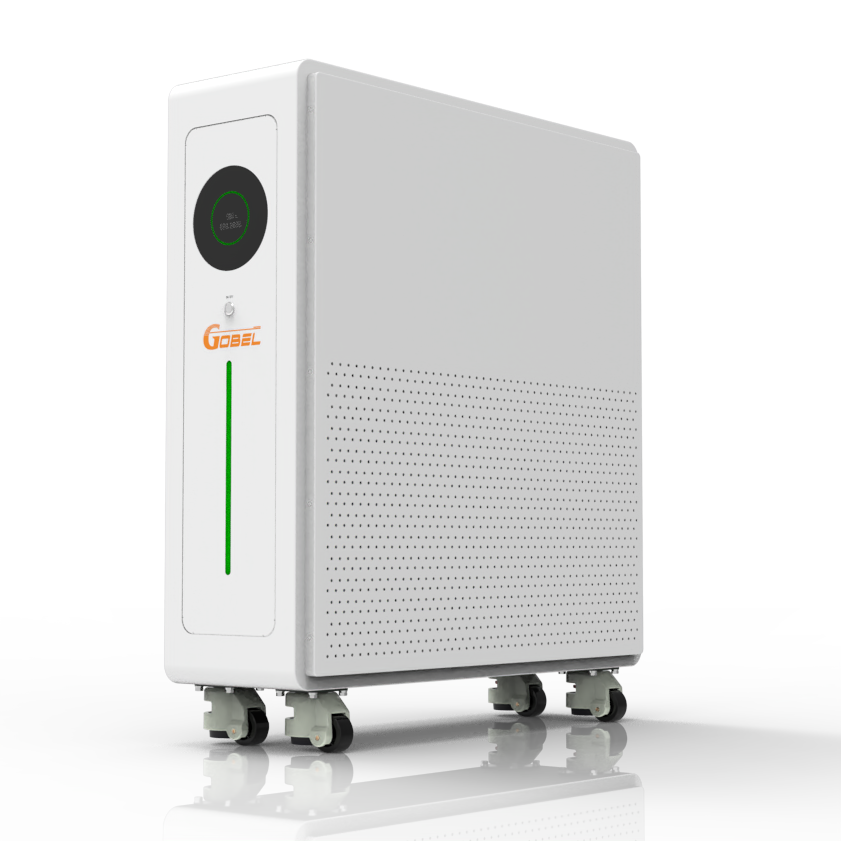
Quick answer: off-grid battery sizing starts with the winter day that the system must support, not the annual average. Estimate daily loads, choose a realistic period without useful charging, and adjust for planned depth of discharge and the battery’s installation temperature. The Gobel Power battery size calculator provides a first nominal-kWh target for those inputs. It does not calculate winter solar generation, generator needs or reliability across consecutive cloudy days.
List refrigeration, lighting, communications, pumps and heating-related electrical loads that must run every day. Separate optional loads that can be delayed when the weather is poor. Use measured appliance use where possible. For a cottage or rural property, occupancy matters: a weekend cabin and an always-occupied house do not have the same daily energy pattern. Use watts × hours × quantity ÷ 1,000 for each load, then sum the kWh.
As a transparent example, assume 5 kWh of required electricity per day. At 90% planned depth of discharge, one day at the calculator’s normal-temperature setting suggests roughly 5.6 kWh nominal. Choosing its illustrative -20°C factor of 0.8 raises the estimate to about 6.9 kWh. Two days doubles the energy target to about 13.9 kWh. These are planning outputs from selected assumptions, not a universal cold-weather derating for every battery.
A battery can shift energy but cannot replace electricity that the PV array never produces. Use a location-specific seasonal resource estimate, such as the European Commission Joint Research Centre’s PVGIS, then account for actual roof orientation, shading, snow and system losses. Compare expected winter generation with the winter load budget. Where prolonged low-sun periods matter, discuss additional generation or an appropriate backup source with the installer rather than simply increasing battery kWh.
Battery charge and discharge limits can differ at low temperatures. The calculator’s temperature options are illustrative factors for capacity planning; they do not represent the operating limits of a specific LiFePO4 model. Read the chosen battery’s permitted charging temperature, heating or thermal-management features, enclosure rating and placement requirements. A sheltered, code-compliant equipment room may be a better design choice than assuming an outdoor battery will operate identically in every winter.
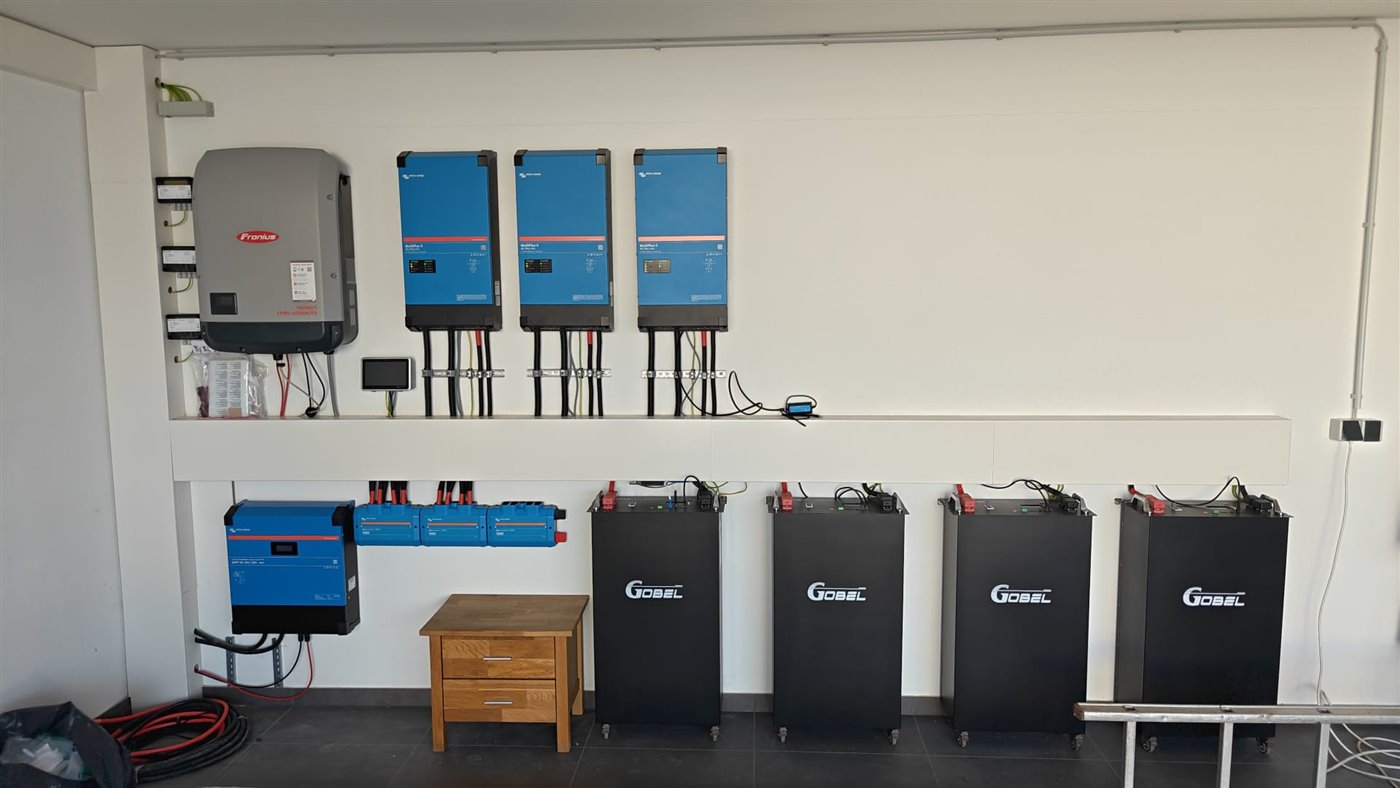
Check continuous and surge kW, inverter and BMS communication, PV charging capacity, protection, service access and the role of any generator. Run the calculator with essential loads and a separate optional-load scenario. Then compare the energy target with Gobel Power battery options and send the location, load list and inverter model for a project-specific review. A qualified local designer should validate the final system.
Source and scope: PVGIS provides solar-resource context; the numerical battery examples use the Gobel Power calculator formula and its selectable temperature factors.
 Copyright © 2026 Gobel All Rights Reserved.