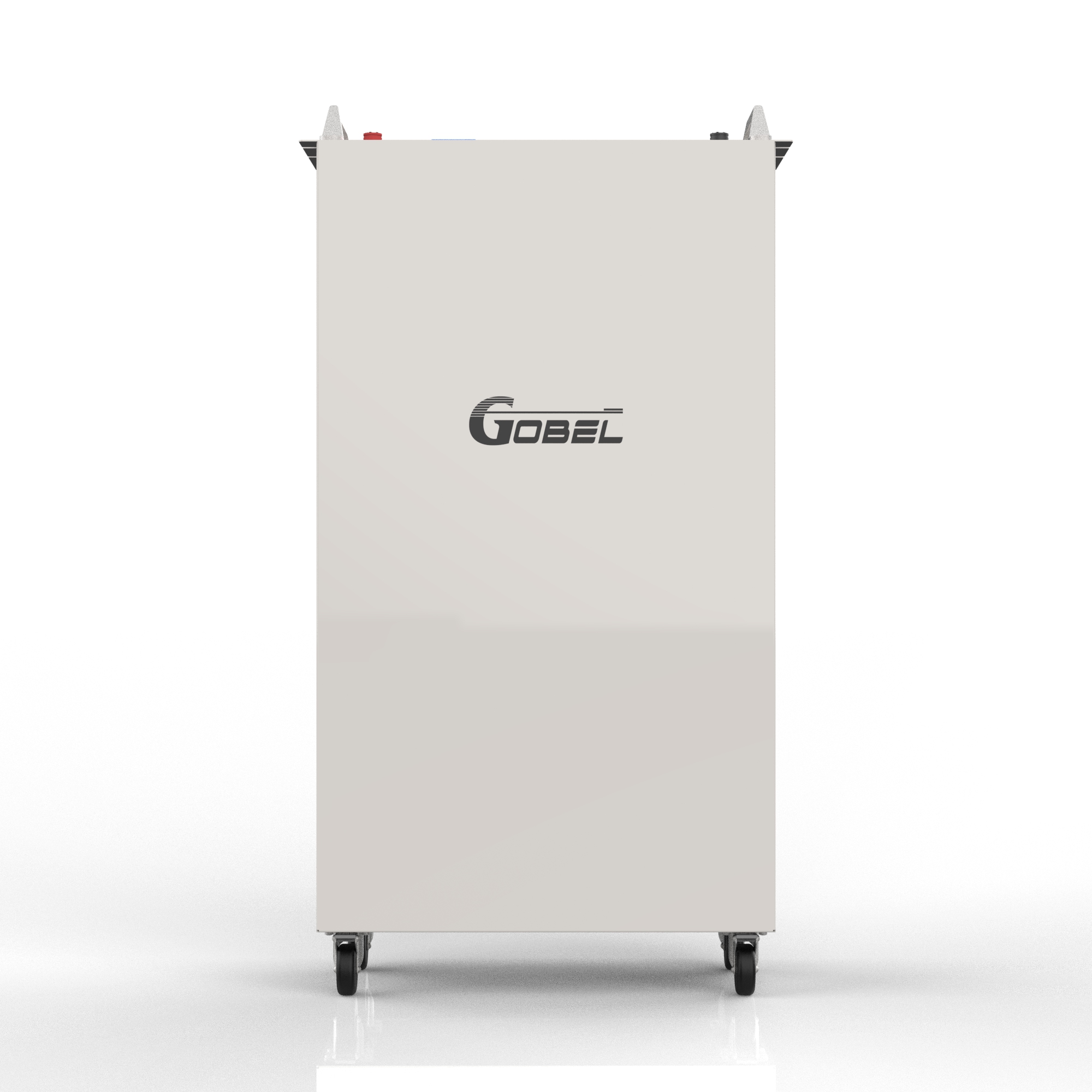
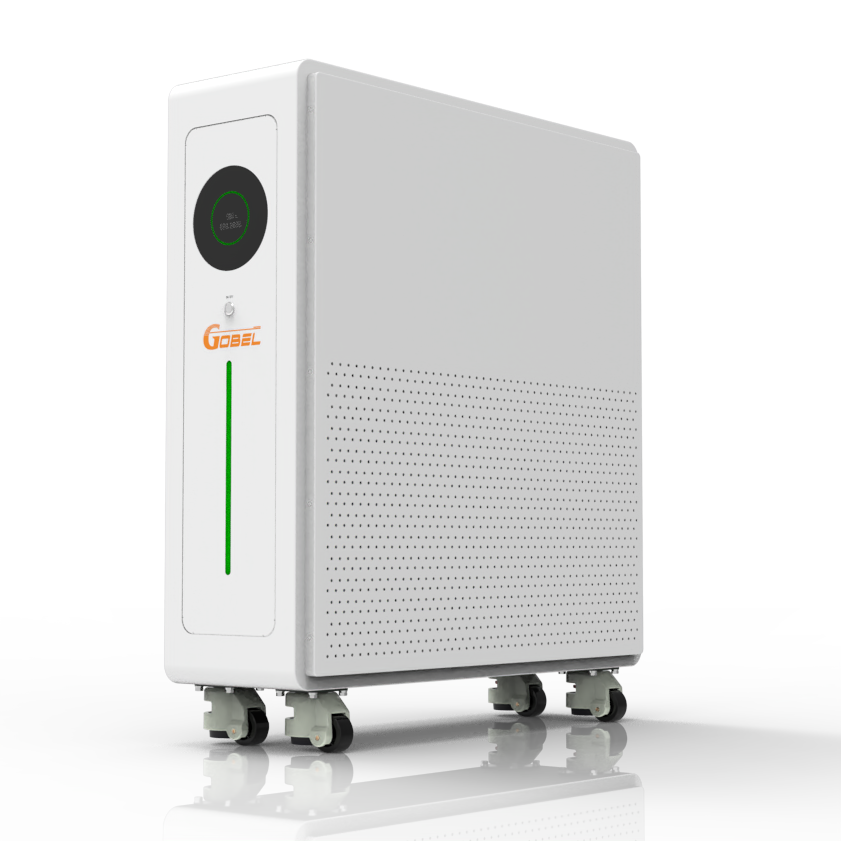
Quick answer: a heat pump or electric vehicle can change a home battery plan substantially, but neither should be added as a single fixed “extra kWh” for every household. Measure when it runs, how much energy it uses and whether it truly needs battery support. Enter the intended hours and power in the Gobel Power battery size calculator, then check the inverter’s peak and continuous output separately. For EV charging, deliberate scheduling may be more useful than trying to cover a full charge from the home battery.
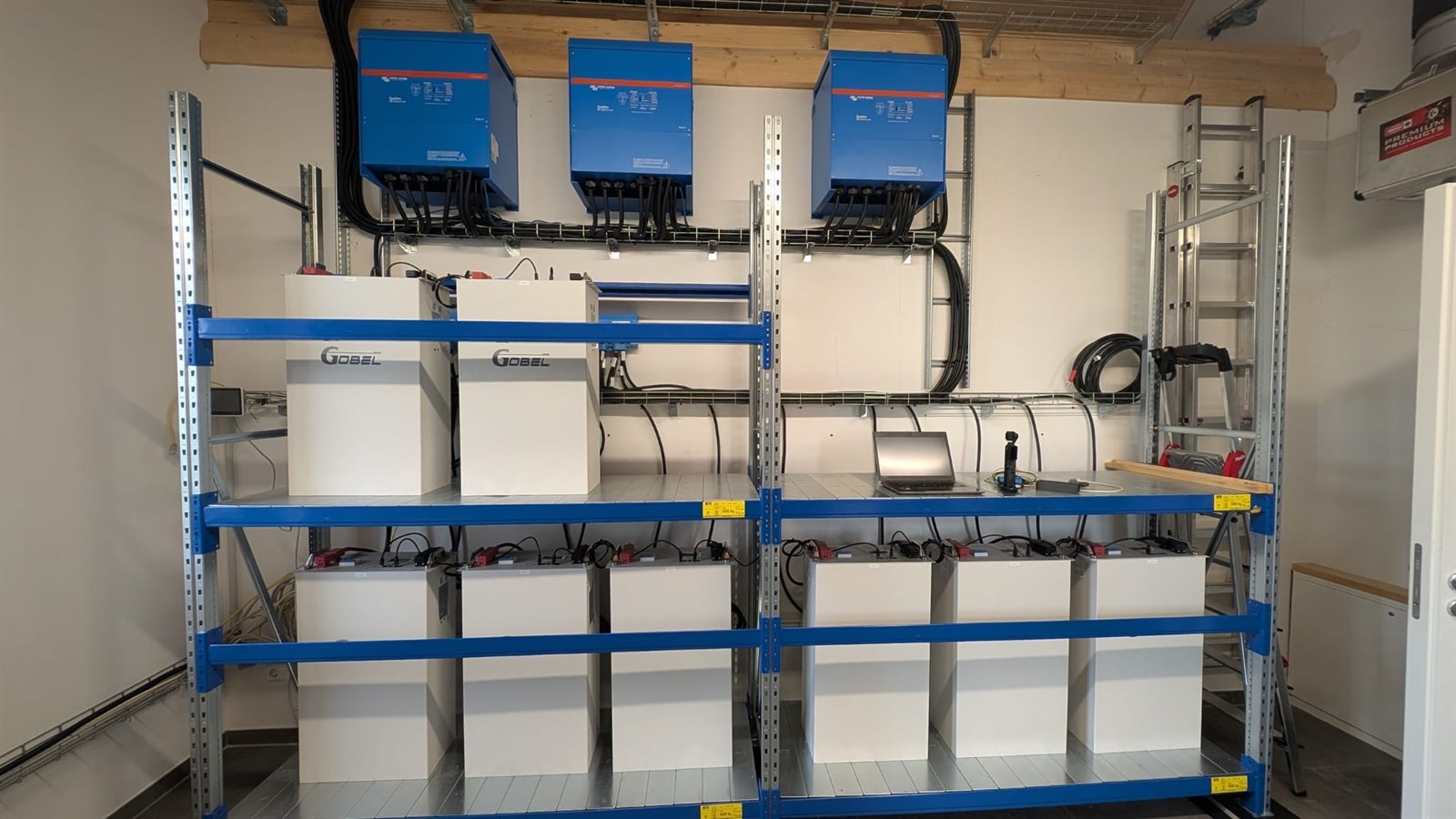
Heat pump electricity use changes with outside temperature, building heat demand, controls and domestic hot water. Use interval readings or manufacturer and installer data for a representative winter day, not an annual average divided by 365. A simplified example of 1.2 kW average input for six operating hours equals 7.2 kWh. That example is energy use, not a universal heat pump rating or a prediction for a particular property.
If the goal is outage backup, ask whether the heat pump may run on the approved backup circuit and whether the inverter can support its start-up and defrost behaviour. A battery may have enough nominal kWh and still fail the power test. Many households instead reserve battery energy for essentials during a power cut and leave space heating to a separate resilience plan.
An EV charger can draw power at a rate that exceeds the output of a small home battery system. The car’s own traction-battery capacity is not the same as energy that a stationary home battery should supply. Ask when the vehicle is parked, whether daytime solar charging is possible, and whether the tariff rewards charging at certain hours. Only enter the part of charging you intend the stationary battery to serve. Do not assume vehicle-to-home operation unless the car, charger, inverter and local rules support it.
Run separate calculator scenarios for essential household loads, essential loads plus heat pump, and household loads plus the intended EV-charging share. The gap between results shows what each decision adds to the energy target. For illustration, adding 7.2 kWh of heat-pump electricity to a 4.8 kWh essential-load day produces 12 kWh before depth-of-discharge and temperature adjustments. At 90% depth of discharge and the normal-temperature factor, the calculator would suggest about 13.3 kWh nominal for one day. The inverter’s kW rating remains a separate design decision.
Ask an installer to check phase arrangement, protection, approved backup circuits, load control, inverter compatibility and future expansion. Gobel Power’s battery range can support a shortlist of capacities and formats, but product selection needs the exact model documentation. Send the load scenarios and inverter model to discuss the next step.
Method: numerical examples are illustrative arithmetic using the Gobel Power calculator formula. They do not represent a specific heat pump, EV or guaranteed runtime.
 Copyright © 2026 Gobel All Rights Reserved.