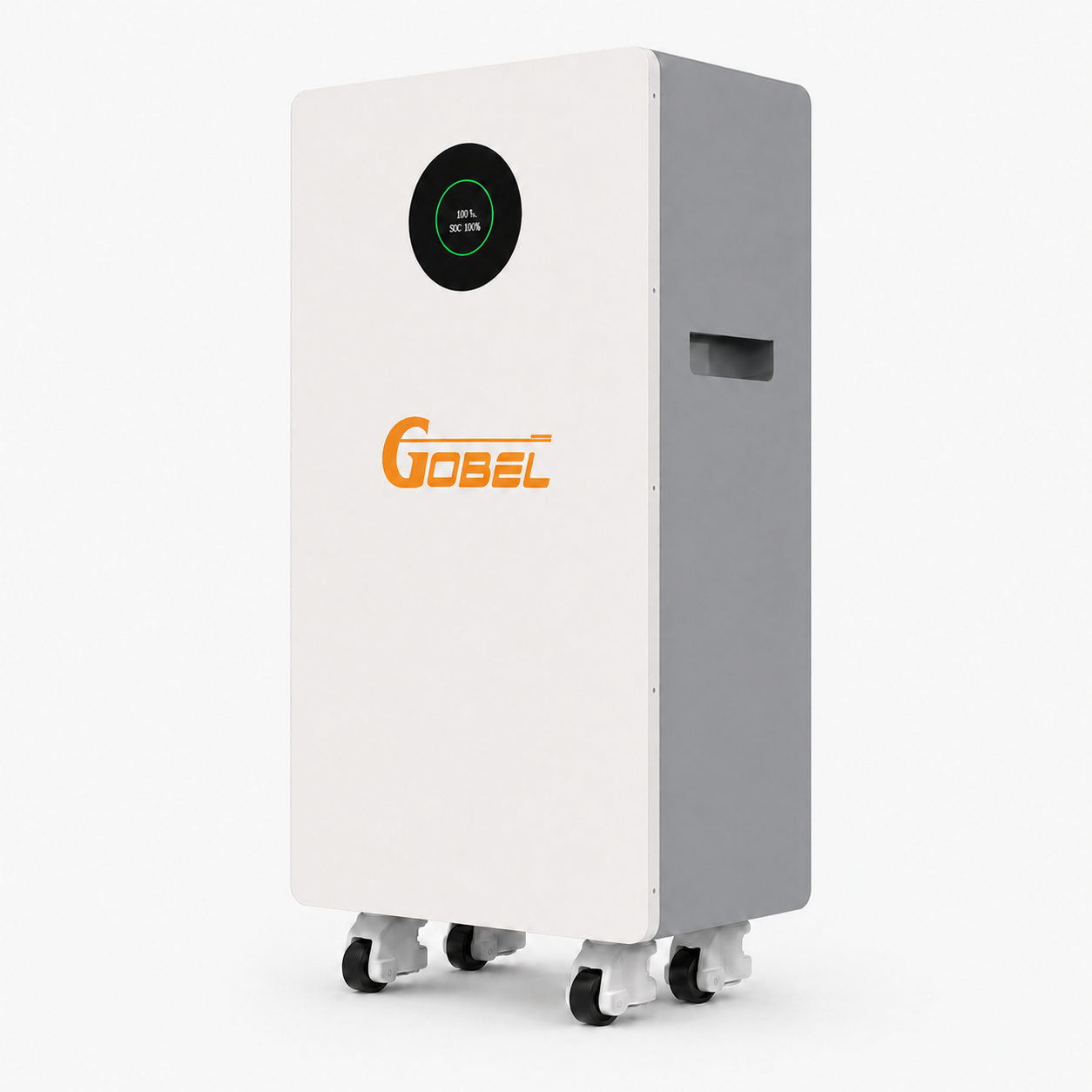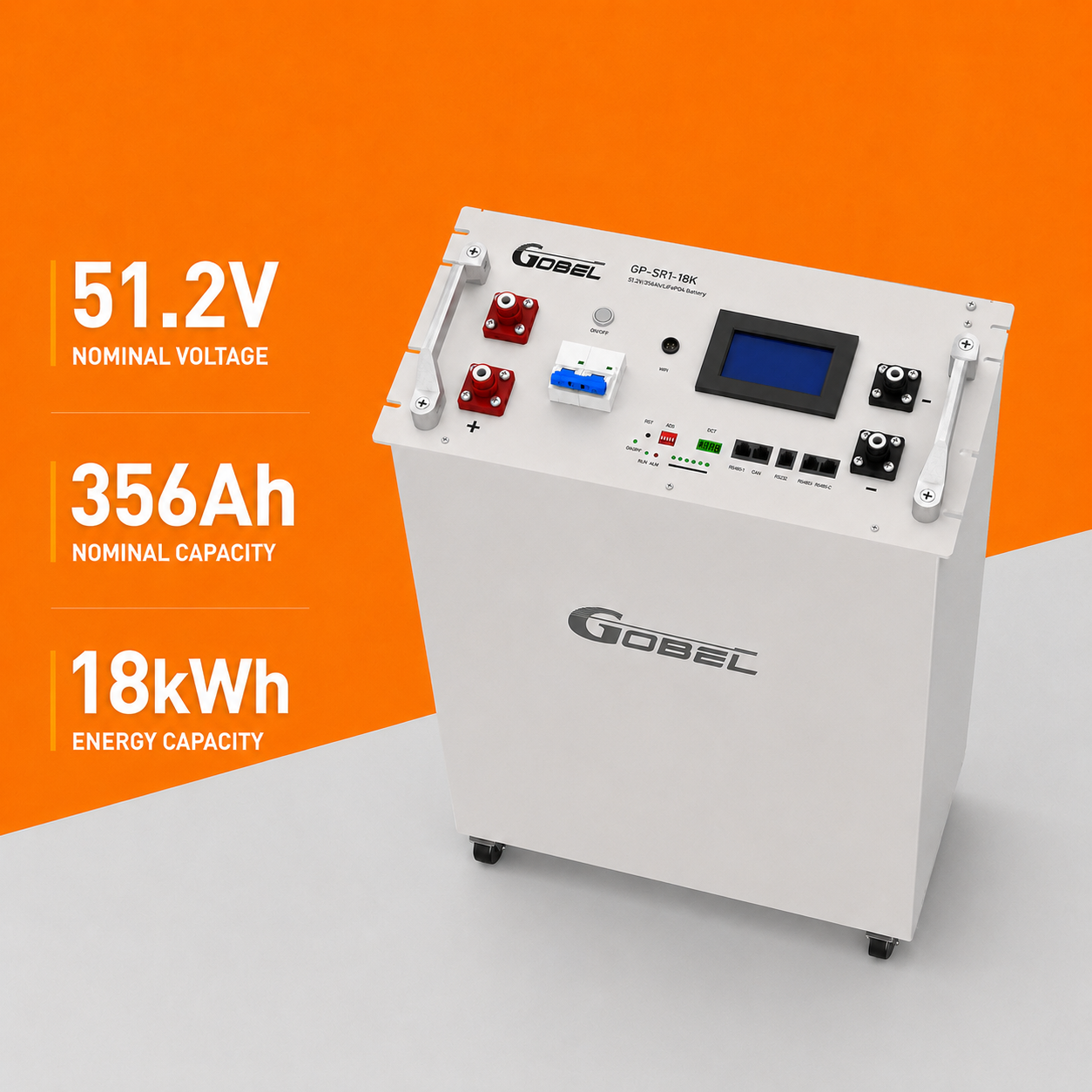
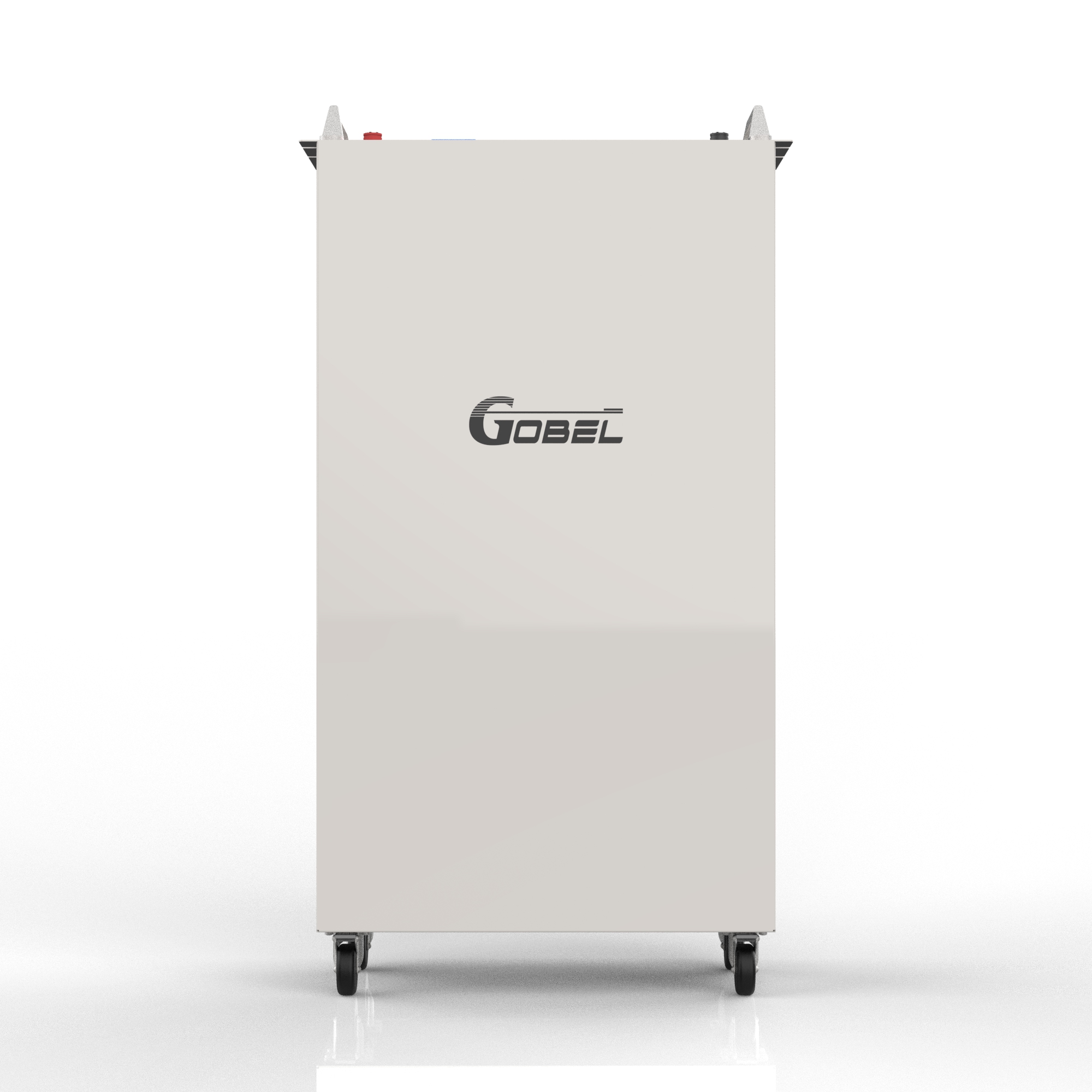
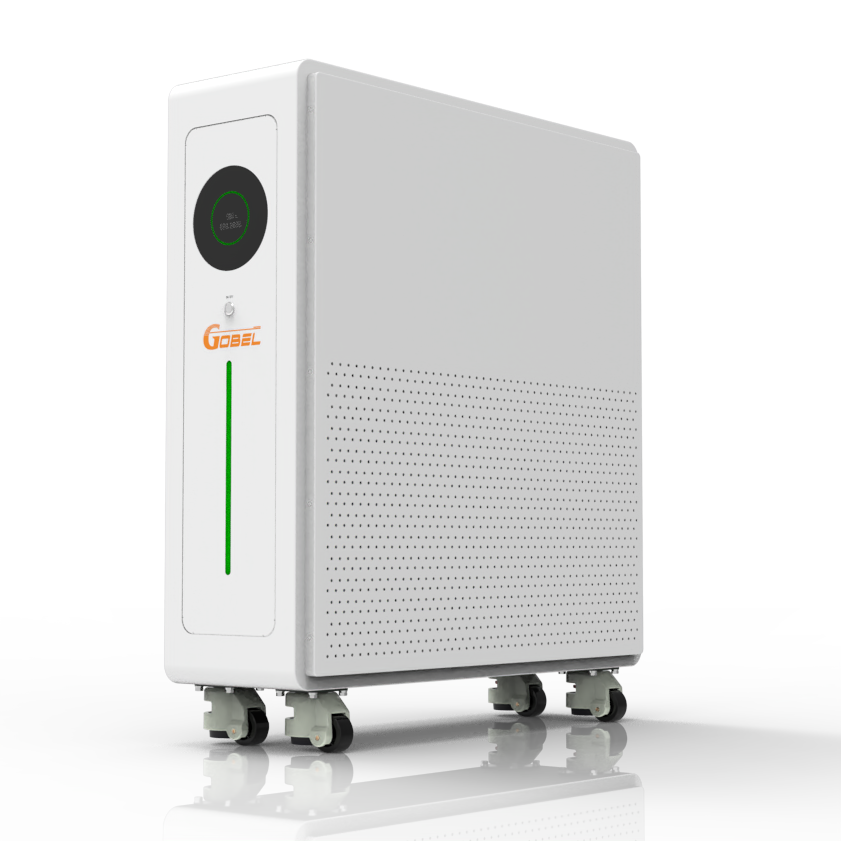
18kWh high-density rack battery
More stored energy.
One professional rack platform.
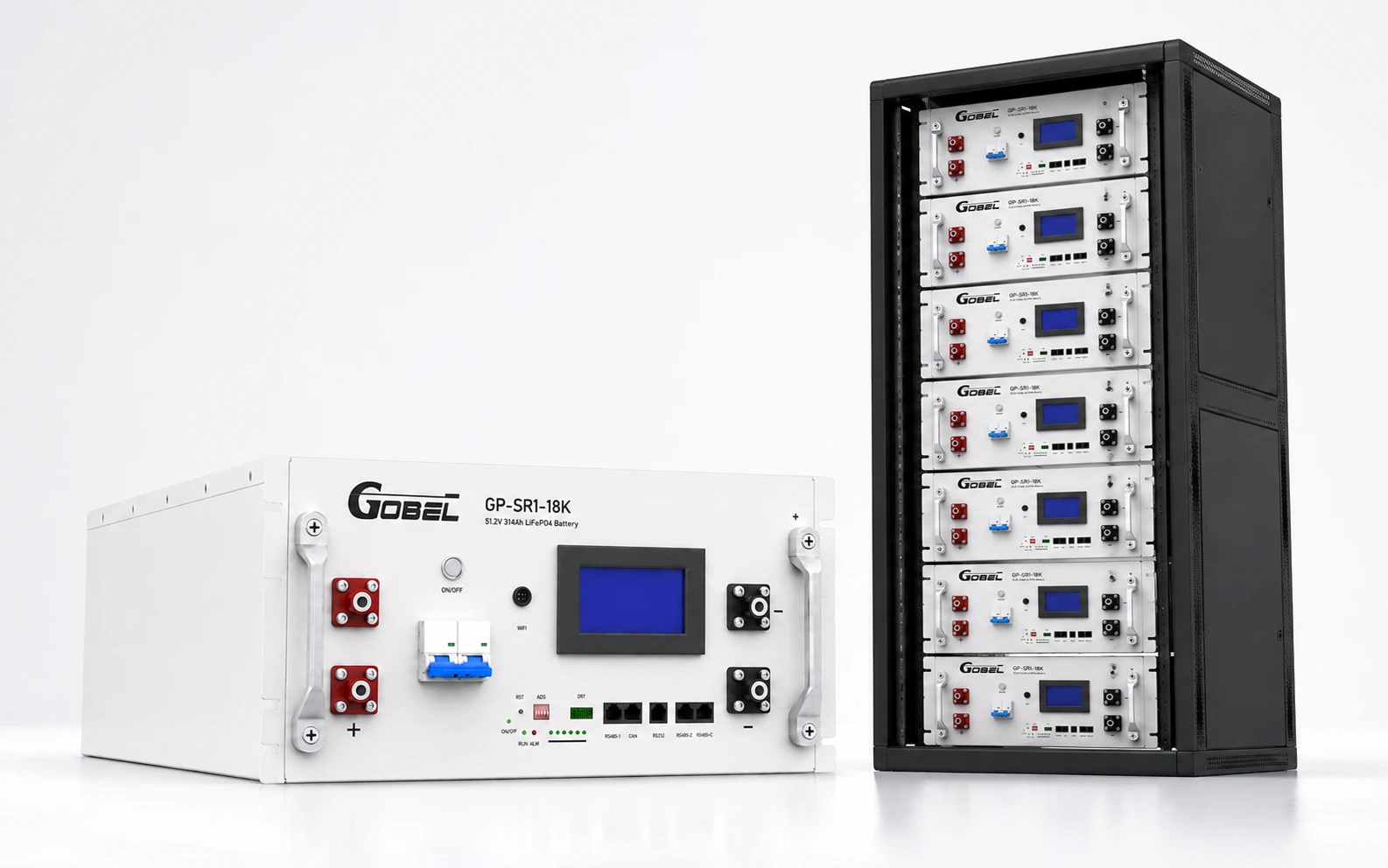
PowerFable 18 combines 18.23kWh of LiFePO4 storage, a serviceable 6U format and intelligent battery management for demanding 48V-class home energy systems.
Designed to scale
High capacity in a familiar 19-inch format.
The 51.2V 356Ah module gives installers more energy per battery while retaining a standard rack-based layout. One module can serve as the starting point for a larger, professionally protected energy-storage system.
- 18.23kWh nominal energy per module
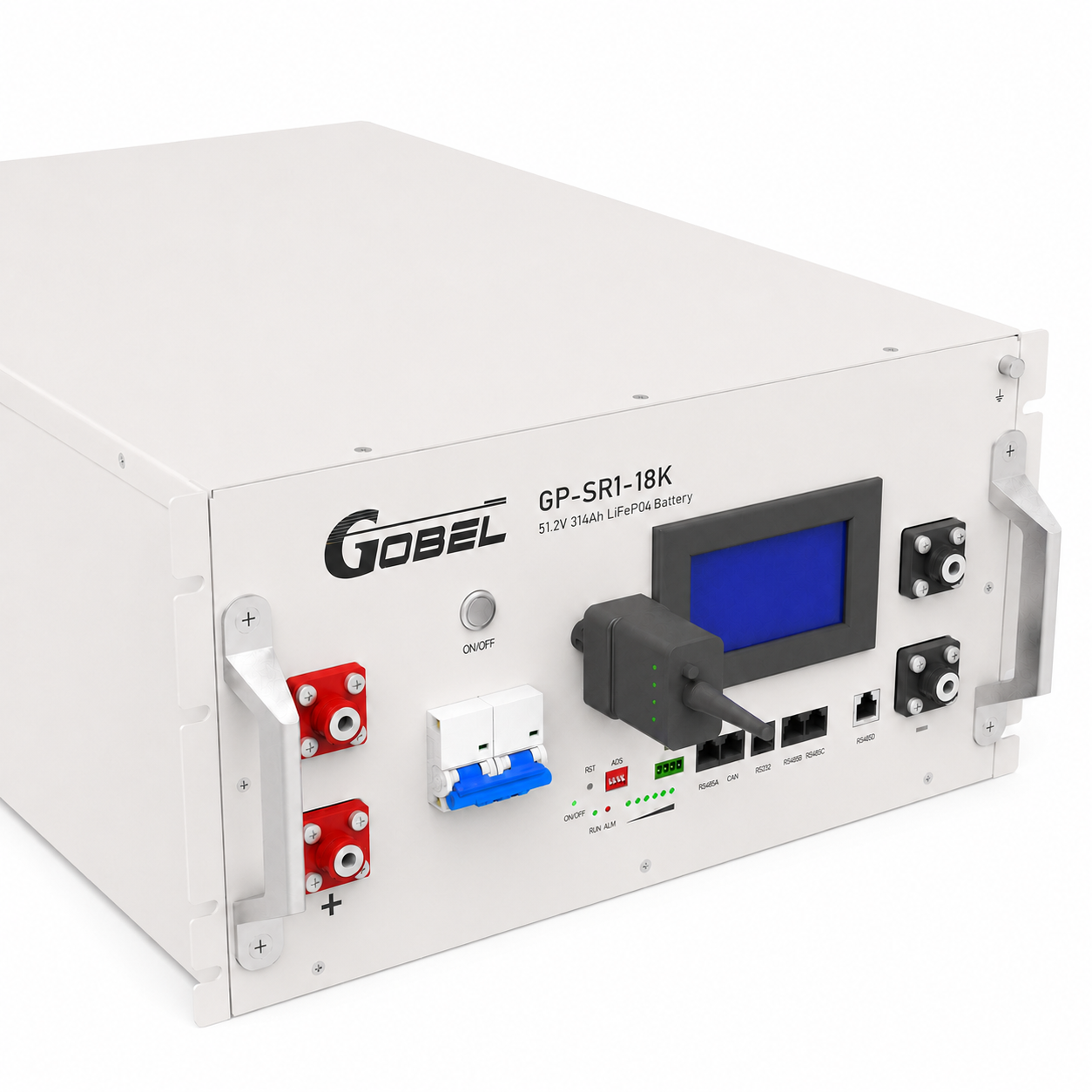
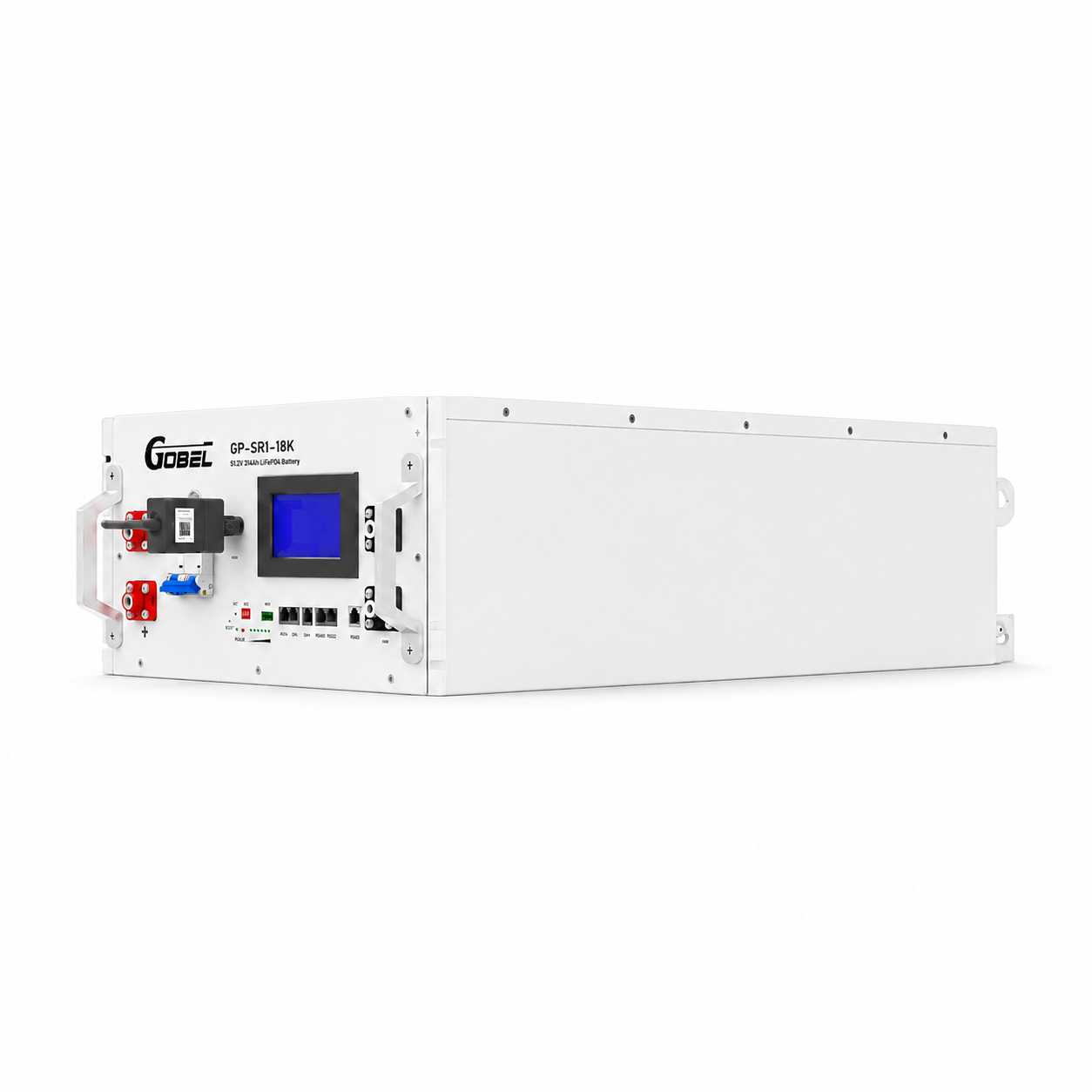
- 6U steel enclosure for 19-inch racks
- Rack, stacked or floor-standing installation planning
Engineered inside
Cells, active balancing and BMS arranged as one system.
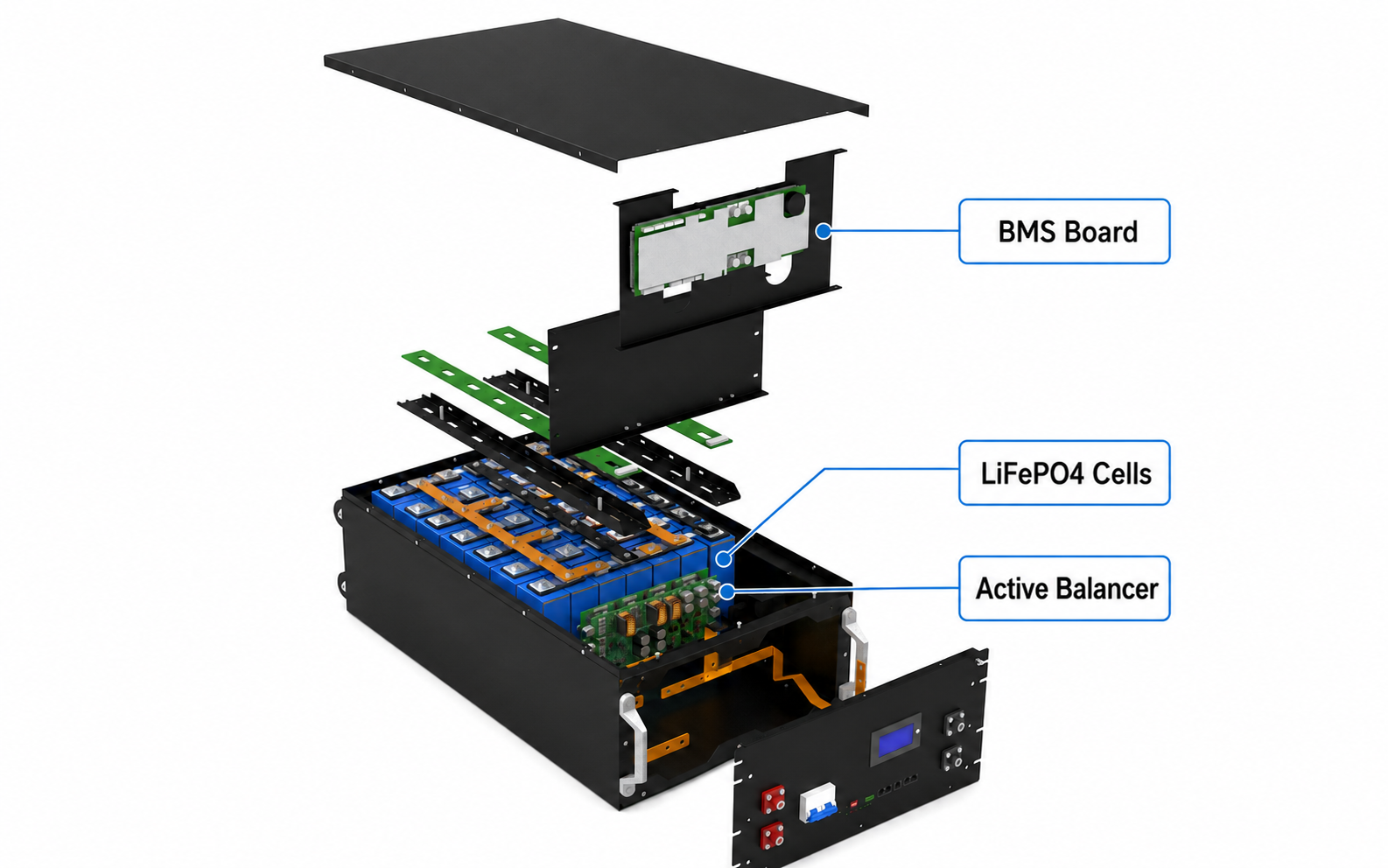
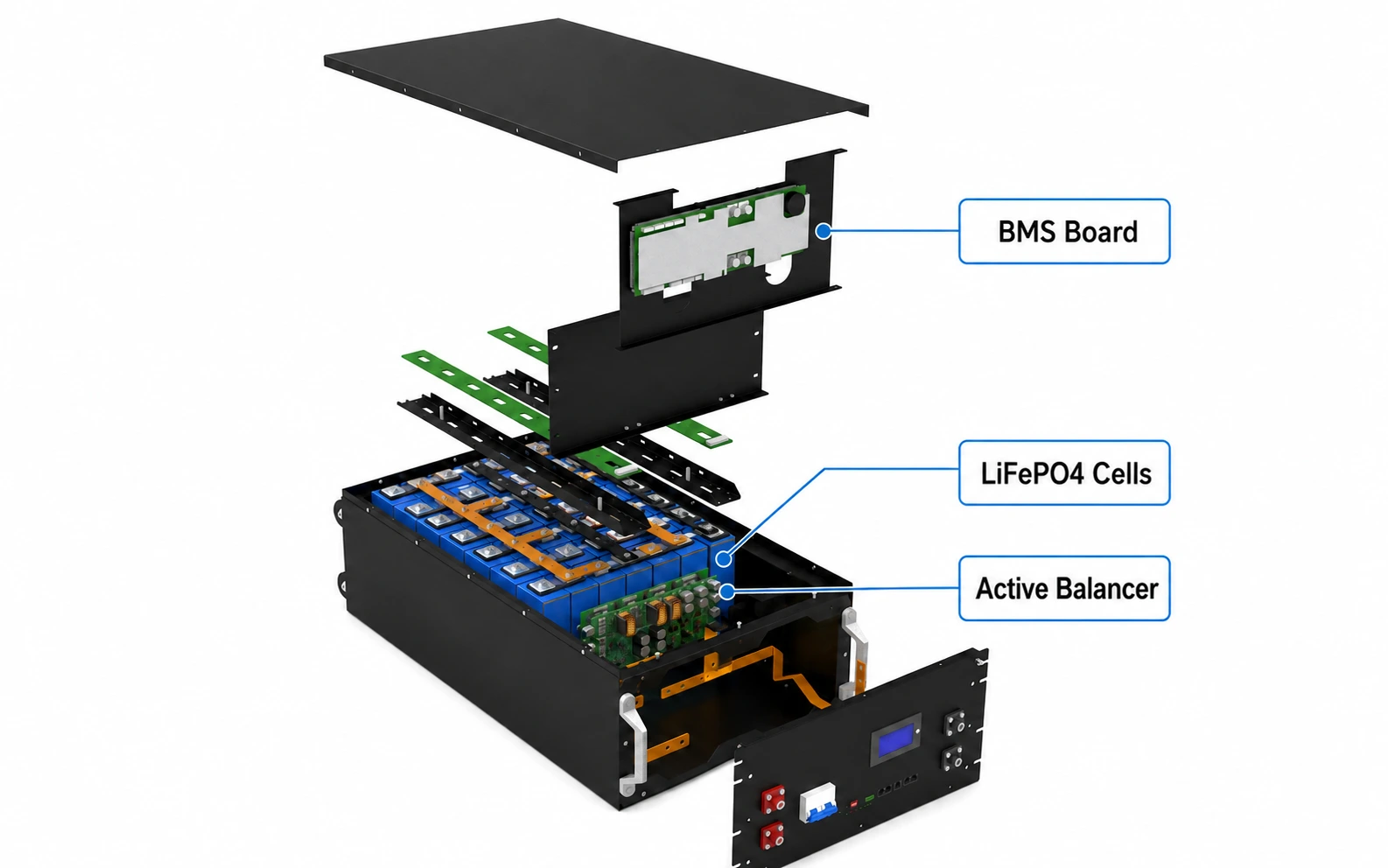
The internal architecture brings the prismatic LiFePO4 cells, BMS board and active-balancing hardware together inside a serviceable enclosure. The design supports pack consistency while keeping core components accessible to qualified technicians.
- 16S1P prismatic LiFePO4 architecture
- Integrated BMS and active-balancing hardware
- Steel enclosure designed for stationary storage
Intelligent protection
Active cell management for everyday cycling.
Battery management continuously observes pack conditions and coordinates operating limits with the wider system. Active balancing helps control cell-voltage differences so the pack can use its available capacity more consistently over repeated cycles.
- Cell voltage, current and temperature monitoring
- Active balancing for improved pack consistency
- Protection settings coordinated through the BMS
Connected monitoring
See battery status without opening the rack.
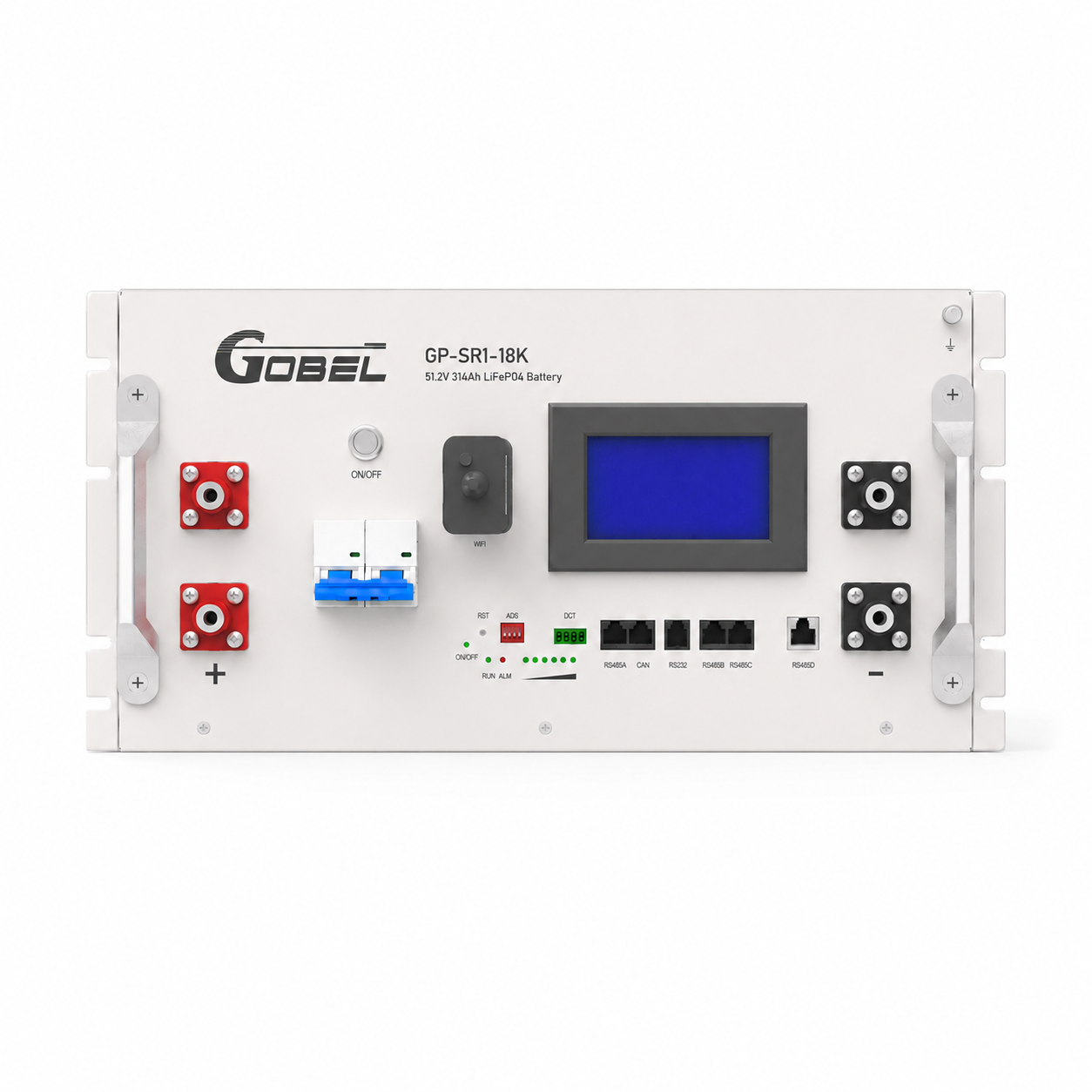
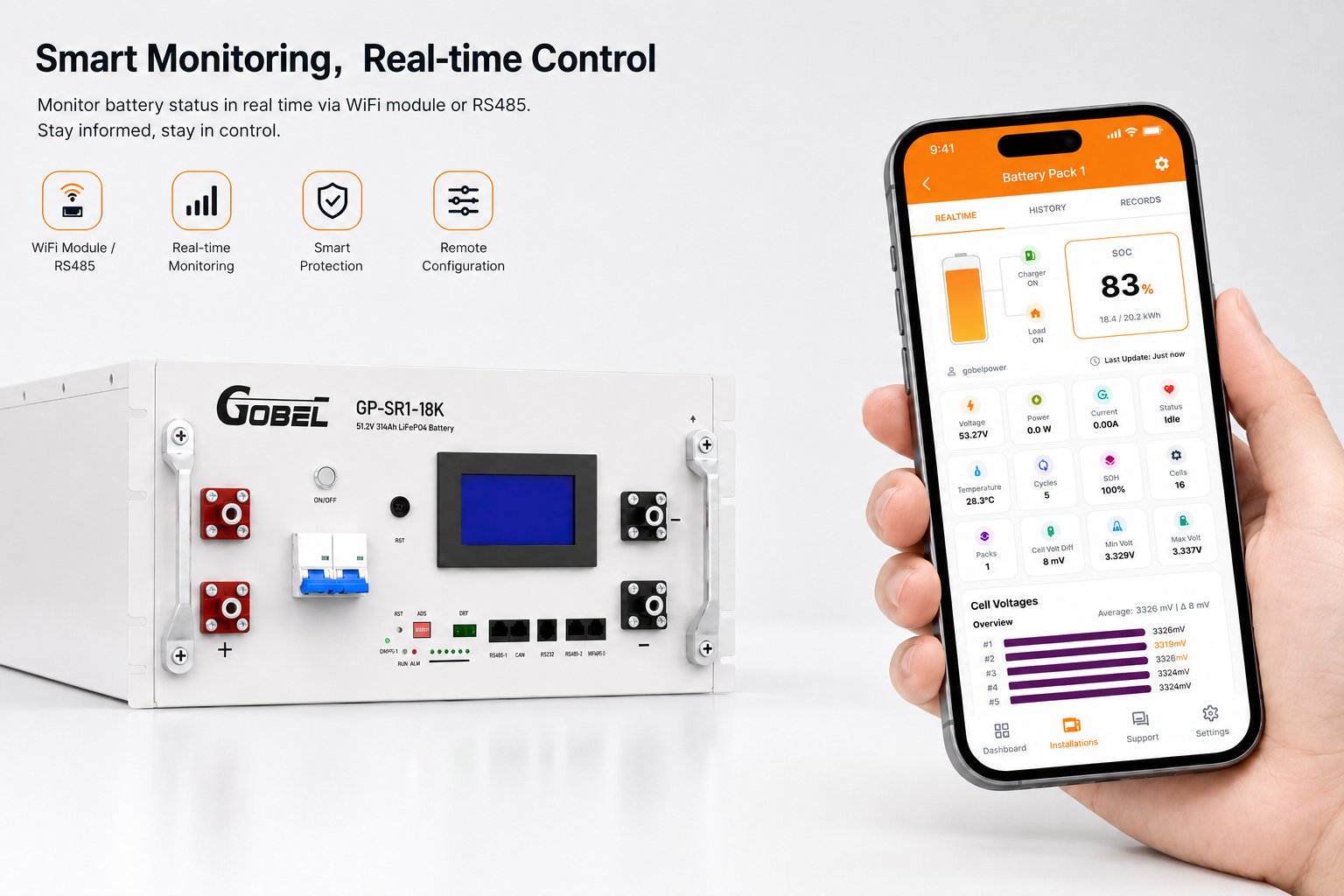
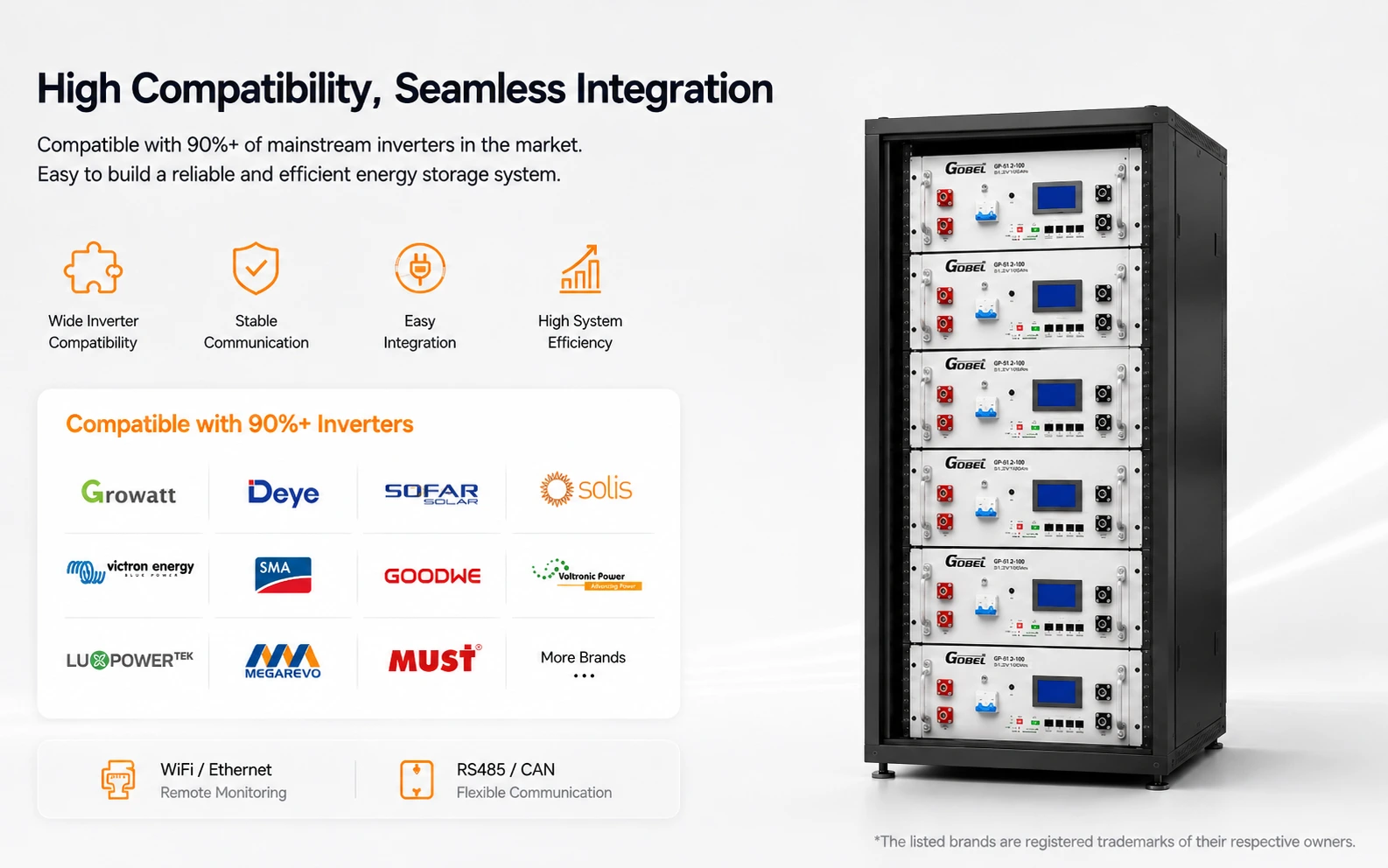
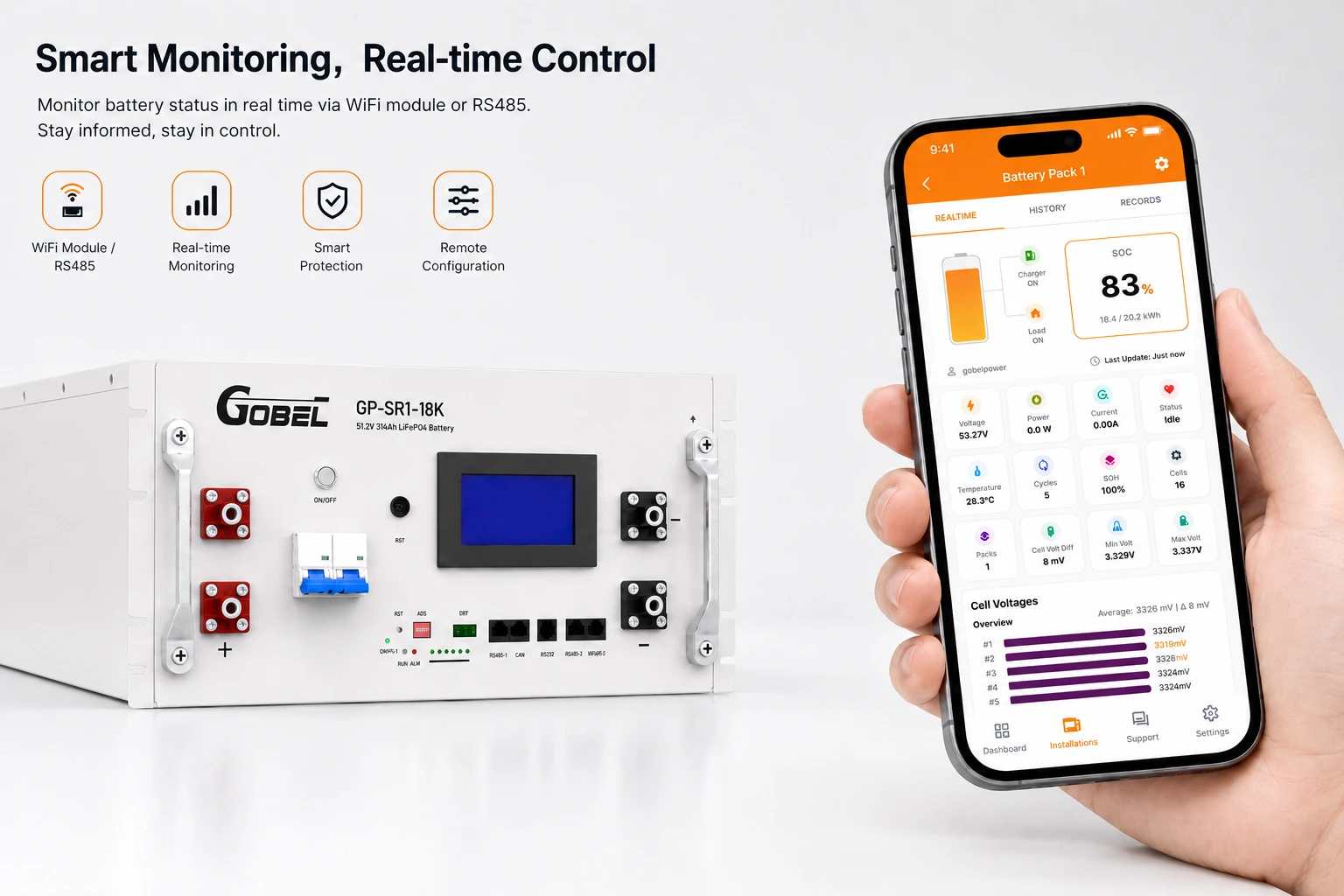
With the supported Wi-Fi monitoring option, system owners and installers can review battery status and operating data remotely. CAN, RS485 and RS232 provide the communication foundation for compatible inverter integration.
- Optional Wi-Fi monitoring for remote visibility
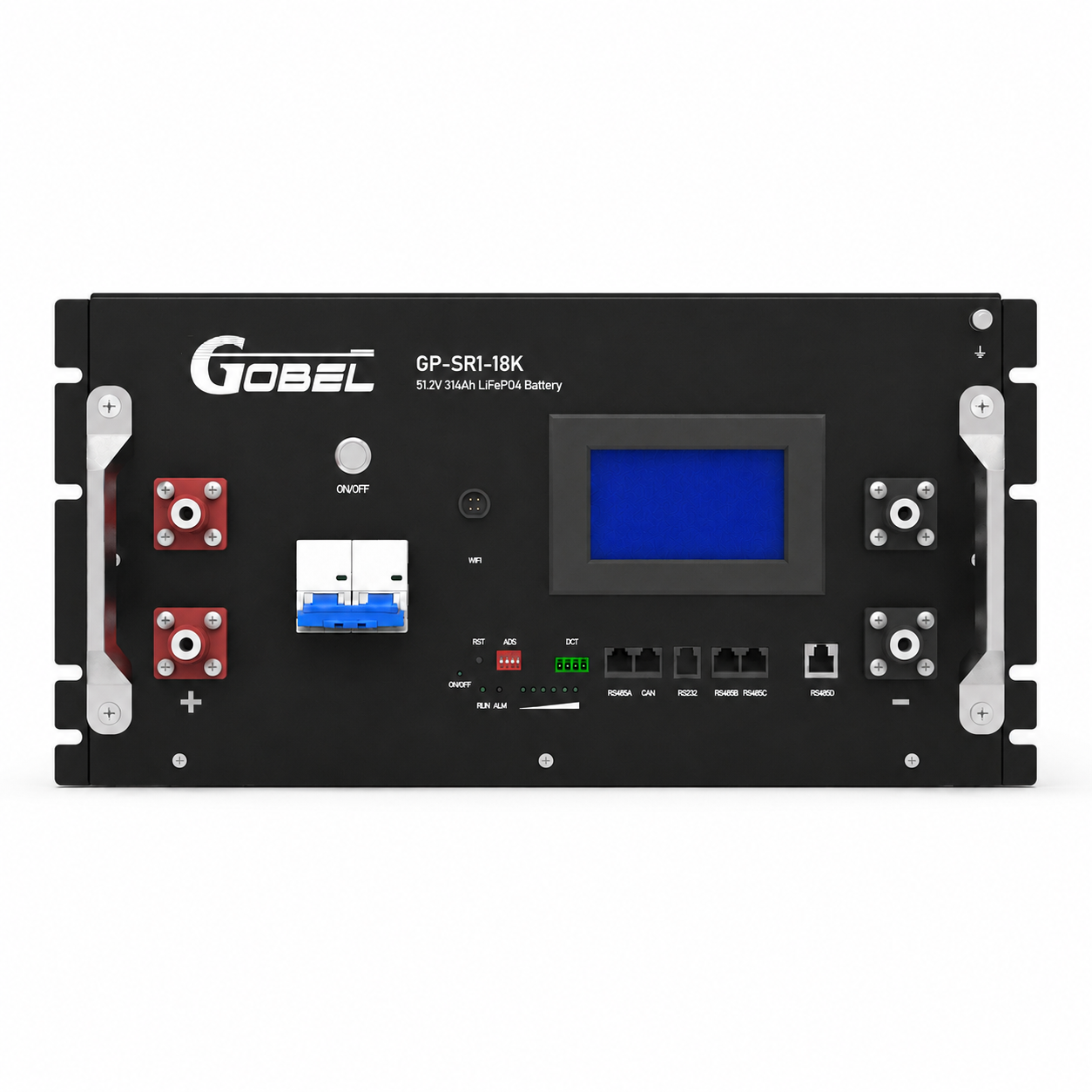
- CAN, RS485 and RS232 communication
- Confirm protocol and firmware compatibility before commissioning
Where it fits
More stored energy for high-consumption homes.
PowerFable 18 is aimed at projects that need an 18kWh-class home battery without leaving the familiar 48V architecture. Its higher energy and current capability suit larger daily loads, longer backup targets and solar installations where a 5kWh module would require several parallel batteries.
Buyer’s guide
Planning an 18kWh battery storage system.
Begin with measured household consumption rather than a generic battery-size rule. PowerFable 18 provides 18.23kWh of nominal energy and 8.7kW of continuous output. Those figures should be matched to daily energy use, peak load and the inverter’s supported battery settings.
Build a load schedule
Separate continuous loads such as refrigeration and networking from intermittent loads such as pumps, kettles and workshop equipment. Multiply watts by expected hours to estimate the energy required during an outage.
Model the backup window
Compare the required kWh with the 18.23kWh nominal rating, then allow for inverter conversion, battery operating limits and site conditions. Runtime depends on the actual load profile, not the battery label alone.
Plan current and expansion
Check whether 8.7kW continuous output covers simultaneous demand. If future growth is expected, reserve rack space, protection capacity and communication planning for supported parallel operation.
Technical details
The numbers behind the system.
Core specifications for system planning. Confirm inverter settings and final configuration with your installer before commissioning.
- Model
- GP-SR1-18K
- Chemistry
- Prismatic LiFePO4, 16S1P
- Voltage / capacity
- 51.2V / 356Ah
- Nominal energy
- 18.23kWh
- Maximum current
- 170A charge / discharge
- Maximum output
- 8.7kW continuous
- Depth of discharge
- Up to 100%
- Cycle life
- 8,000+ cycles to 70% EOL
- Communication
- CAN, RS485, RS232, optional Wi-Fi
- Parallel connection
- Up to 16 JKBMS / 63 PCBMS units
- Dimensions
- 482.6 × 241.3 × 773mm
- Environment
- IP21 indoor; passive cooling
Solar battery knowledge
What buyers should know about high-capacity home batteries.
Energy capacity is not a runtime promise
An 18kWh LiFePO4 battery stores substantially more energy than a typical 5kWh module, but actual backup time changes with load, inverter efficiency, operating limits and temperature. A load schedule gives a more useful answer than dividing by one appliance rating.
LiFePO4 supports repeated solar cycling
Lithium iron phosphate chemistry is widely used for home energy storage because it combines stable chemistry with long cycle capability. PowerFable 18 is rated for 8,000 or more cycles to 70% end-of-life capacity under the stated conditions.
Closed-loop communication improves coordination
CAN and RS485 allow a compatible inverter to receive battery limits and state information from the BMS. The physical connector is only one part of compatibility; installers must select the correct protocol and approved firmware settings.
A precise fit
An 18kWh battery for high-energy homes.
PowerFable 18 is designed for buyers searching for an 18kWh LiFePO4 home battery, a 51.2V 356Ah solar battery or a high-capacity server rack battery for residential backup.
Its combination of 18.23kWh storage, 8.7kW output and CAN/RS485 communication makes it a strong fit for 48V inverter retrofits, solar self-consumption and modular whole-house battery systems.
Plan your system
Tell us what you want to power.
Share your inverter model, available space and target backup time. Our team can help you identify the right battery configuration.
Discuss your project