Quick answer: start with the electricity used by the loads you want the battery to support, not the size of the house or the annual bill. Multiply each appliance’s watts by its daily running hours and quantity, add the results in kWh, then allow for the intended backup period and usable battery capacity. The free Gobel Power battery size calculator does this energy estimate and suggests nearby battery capacities. An installer must still check inverter output, starting surges and local electrical rules.
European searches for “what size home battery do I need” often lead to a single 5 kWh, 10 kWh or 15 kWh answer. The better question is which loads the system should run and for how long. A fridge, internet router and lighting create a different profile from a heat pump, induction cooker or EV charger. Use measured appliance consumption where possible; a nameplate wattage multiplied by 24 hours can overstate the energy of equipment that cycles on and off.
For a simple example, a combined 600 W of essential loads running for eight hours uses 4.8 kWh. At a planned 90% depth of discharge and no temperature adjustment, the calculator returns about 5.3 kWh of nominal battery capacity. This is an illustrative energy calculation, not a promise that any particular battery and inverter can deliver 600 W continuously or start a motor.
In the calculator, daily energy equals the sum of watts × hours × quantity ÷ 1,000. Estimated rated capacity equals daily kWh × selected backup days ÷ depth-of-discharge fraction ÷ the selected temperature factor. The tool offers 0.5 to 5 days, 80%, 90% or 100% depth of discharge, and illustrative cold-location factors. Its result is an initial capacity target, not measured usable AC energy. Inverter conversion losses, manufacturer limits, reserve settings and changes in household demand need a separate check.
If the battery is in an unheated garage in a colder part of Europe, use the actual installation temperature and the chosen battery’s documentation. The preset factors are planning assumptions; they are not a certified performance curve for every LiFePO4 battery. A warmer indoor position may change the estimate, but must still satisfy the manufacturer’s placement and safety instructions.
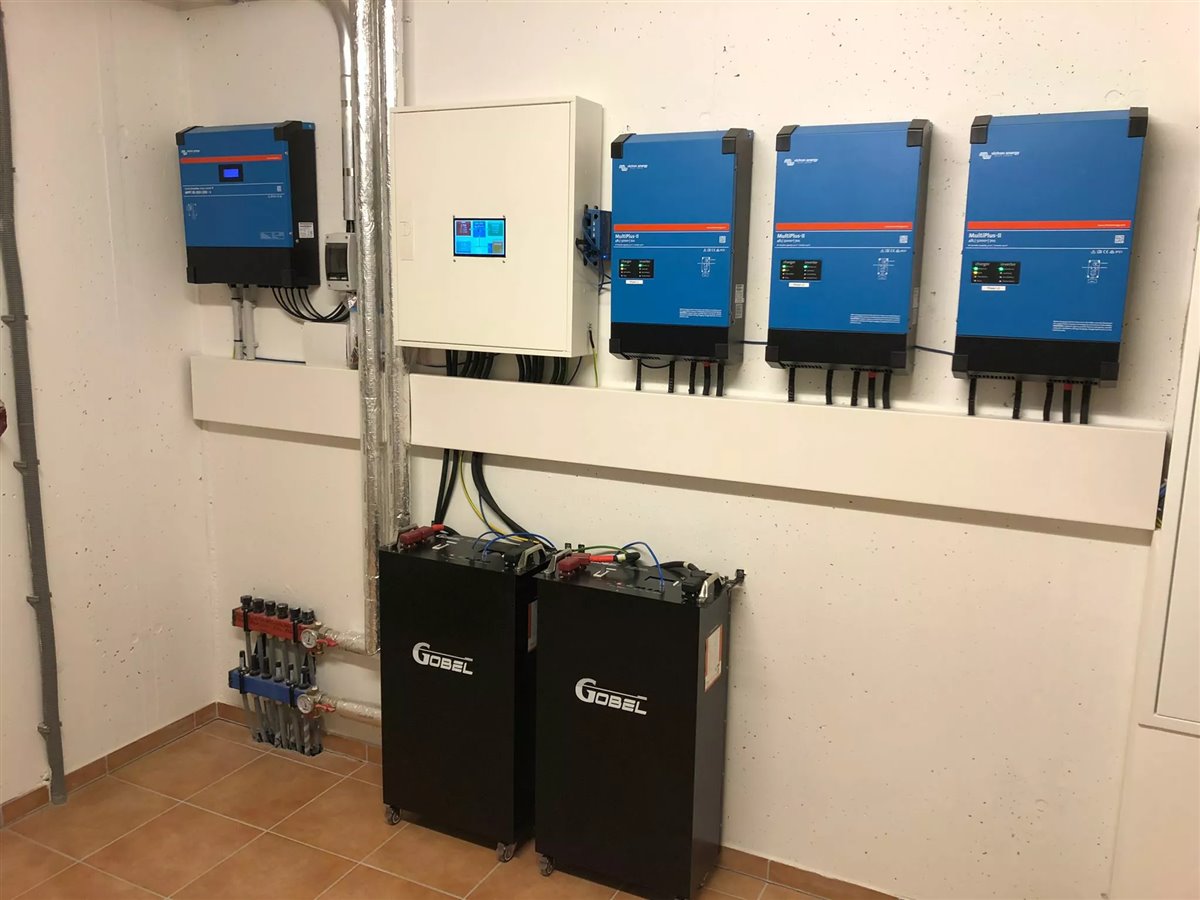
Capacity in kWh tells you how long an energy budget may last. Power in kW tells you what can run at the same time. A battery selection also needs the inverter’s continuous and surge ratings, battery discharge limits, communication compatibility, permitted parallel expansion and the grid or backup arrangement. For solar self-consumption, compare the proposed battery with your hourly load and solar generation, not only annual totals. The European Commission’s PVGIS can help estimate solar production for a specific location; it does not replace measured household use.
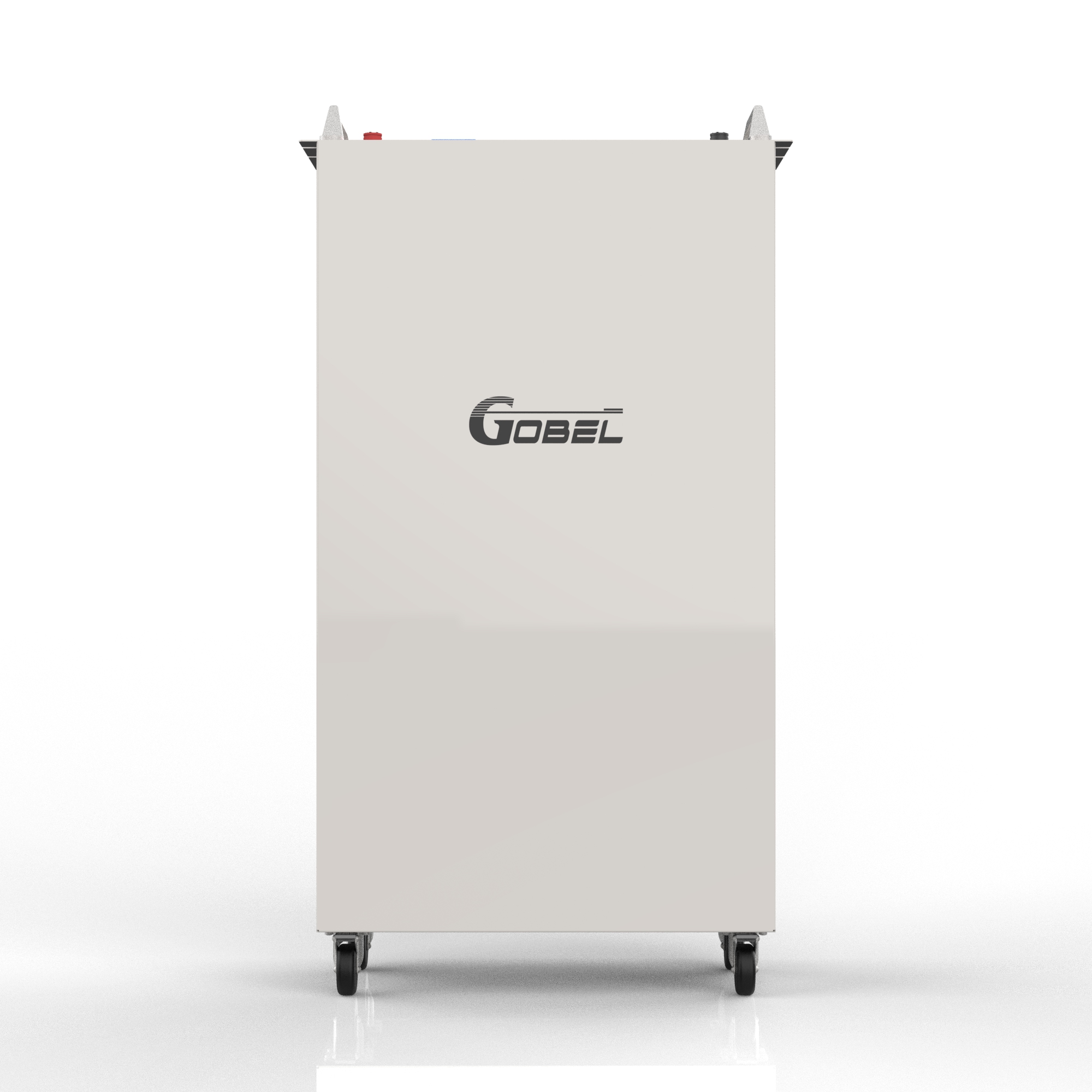
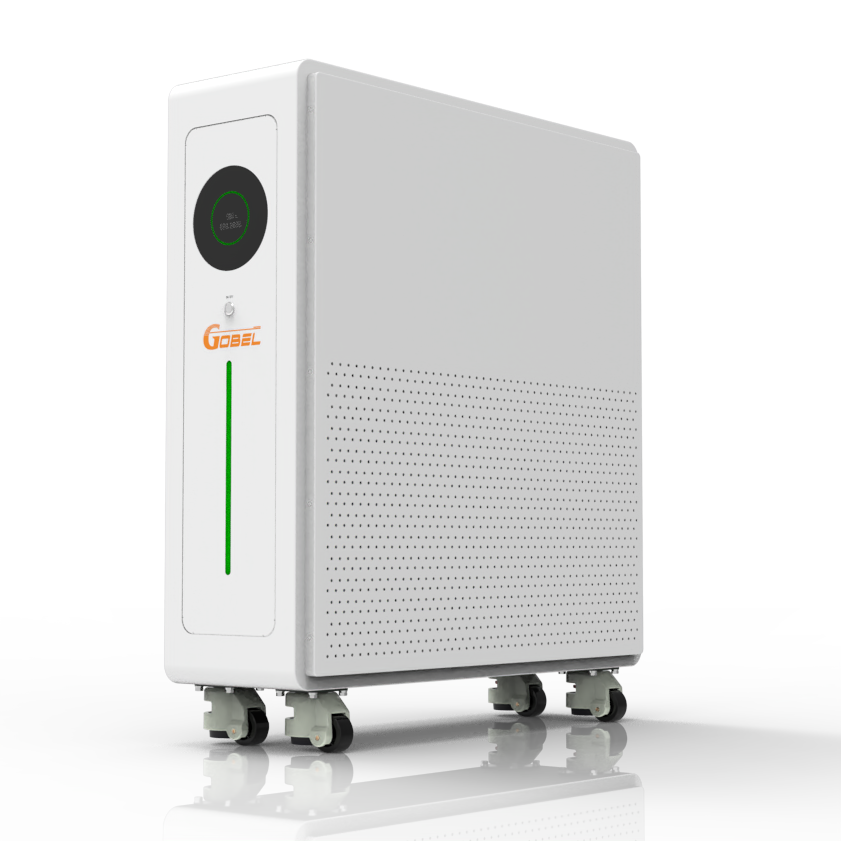
Run a first scenario with essential loads, then a second with larger optional loads. Keep the two results separate and ask an installer to validate the peak power, inverter protocol and site layout. Gobel Power’s LiFePO4 battery range provides several formats for review; a calculator match is a shortlist, not a compatibility approval. Save the load assumptions and share them with our team for a project-specific discussion.
Method and source: calculator inputs and formula are documented on the linked Gobel Power tool; solar-resource context is from the European Commission Joint Research Centre’s PVGIS. All numerical examples are illustrative.
 Copyright © 2026 Gobel All Rights Reserved.