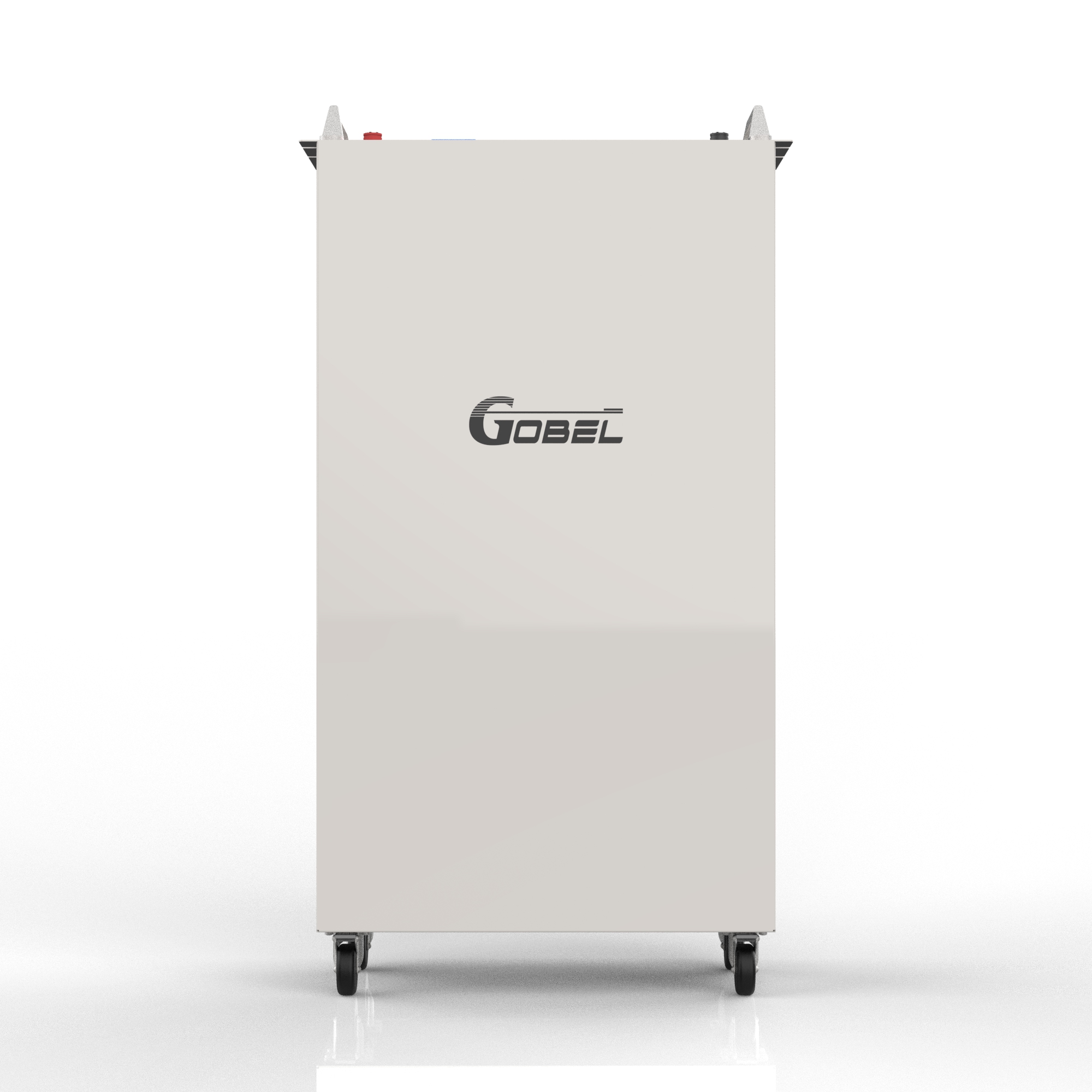
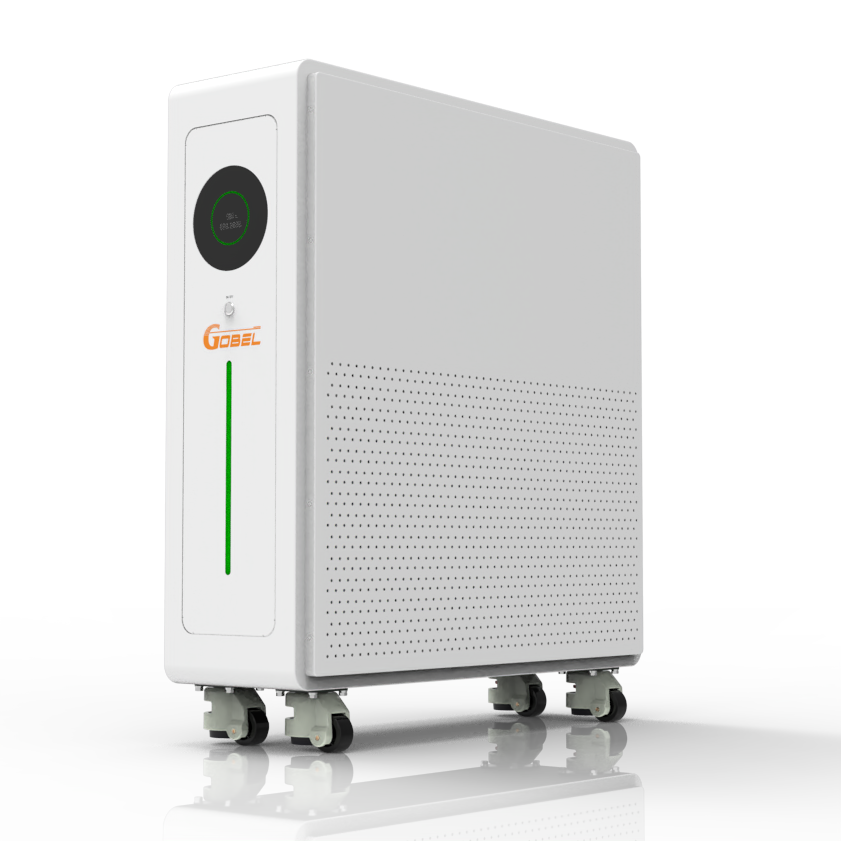
Quick answer: battery runtime depends on usable energy and the actual loads connected during an outage. Divide usable kWh by average load in kW for a rough number of hours, then allow for conversion losses and reserve settings. For a more complete first pass, enter each essential appliance and its running time in the Gobel Power home battery backup calculator. The result estimates nominal capacity for a selected backup period; it does not prove that the wiring will provide backup power.
Start with refrigeration, lighting, internet, medical or other essential equipment as appropriate to the household. For every item, record its measured or realistic average watts, hours of operation and number of units. Motors and compressors do not necessarily draw their nameplate power continuously, but they may need more power for a brief start. Include the actual backup circuits in the plan. A whole-house promise without a load list is difficult to verify.
For example, 600 W of combined running loads over eight hours is 4.8 kWh of delivered energy before losses. At 90% planned depth of discharge, the simple nominal-capacity estimate is roughly 5.3 kWh under the calculator’s normal-temperature assumption. If the average load doubles, the same usable energy lasts about half as long. An inverter’s standby use and conversion efficiency will reduce real runtime further.
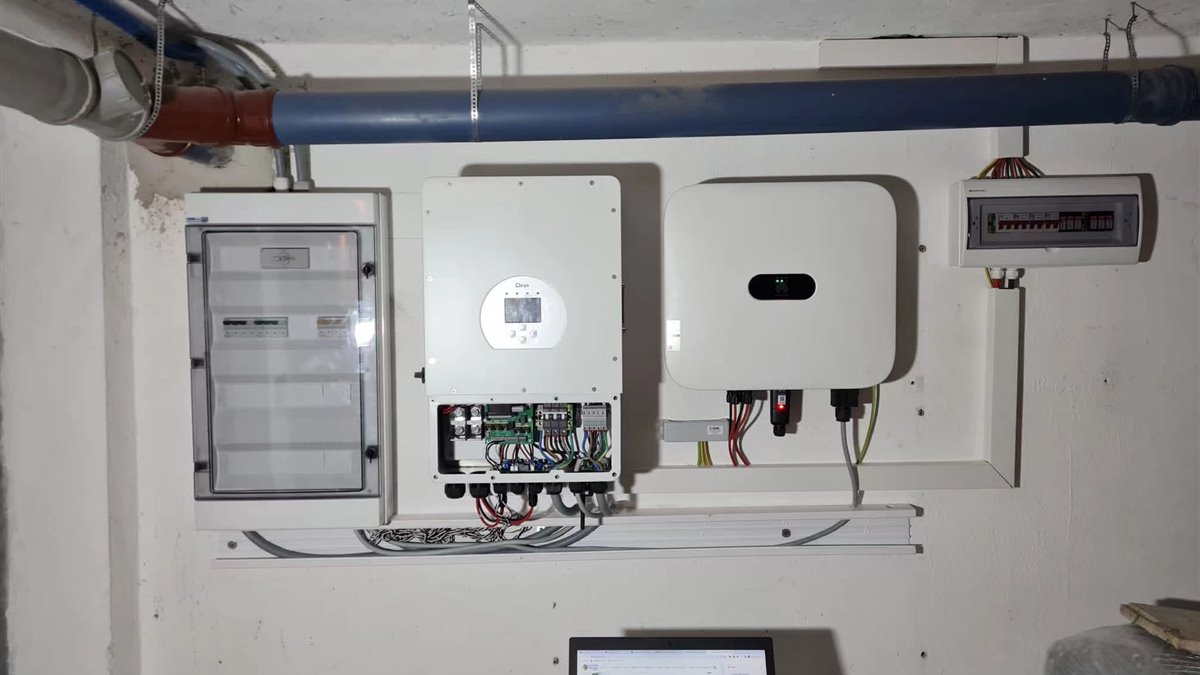
A grid-connected solar system normally needs an approved backup configuration to continue powering selected circuits when the grid is down. The battery alone cannot provide that function. Check the inverter’s backup mode, transfer or isolation equipment, protection, earthing, wiring and local network requirements with a qualified installer. Ask which loads stay live during a power cut and whether solar can recharge the battery in that mode.
Peak power is the second test: the inverter and battery must support simultaneous running loads and the starting surge of pumps or compressors. Even a whole-house battery backup calculator can only offer an energy estimate when peak loads and changeover wiring are unknown. The Gobel tool estimates energy in kWh, not surge power in kW or the operation of any changeover device. A battery shown as a close capacity match may still be unsuitable for the intended backup circuit.
The backup-days setting multiplies the daily load you entered. Use 0.5 day only when the appliance hours describe a full 24-hour pattern and you want roughly half that energy. If your load list already describes a specific eight-hour night, use one day to size that eight-hour scenario. Keep realistic hours for each appliance: a light used six hours should not be entered as a 24-hour load. Compare scenarios using the same depth-of-discharge assumption. If the battery sits in a cold location, use the temperature option only as a preliminary planning factor and verify the product’s actual operating limits.
Ask your installer: “Which circuits will remain powered, at what simultaneous kW, for which target hours, with what usable kWh?” That one sentence makes the handover measurable. Gobel Power offers LiFePO4 battery options for different system layouts; send us the load list and inverter model before selecting a unit count. The final backup design depends on the site and applicable local rules.
Method: runtime and capacity examples follow the stated load arithmetic and the Gobel Power calculator assumptions. They are illustrations, not guaranteed outage durations.
 Copyright © 2026 Gobel All Rights Reserved.