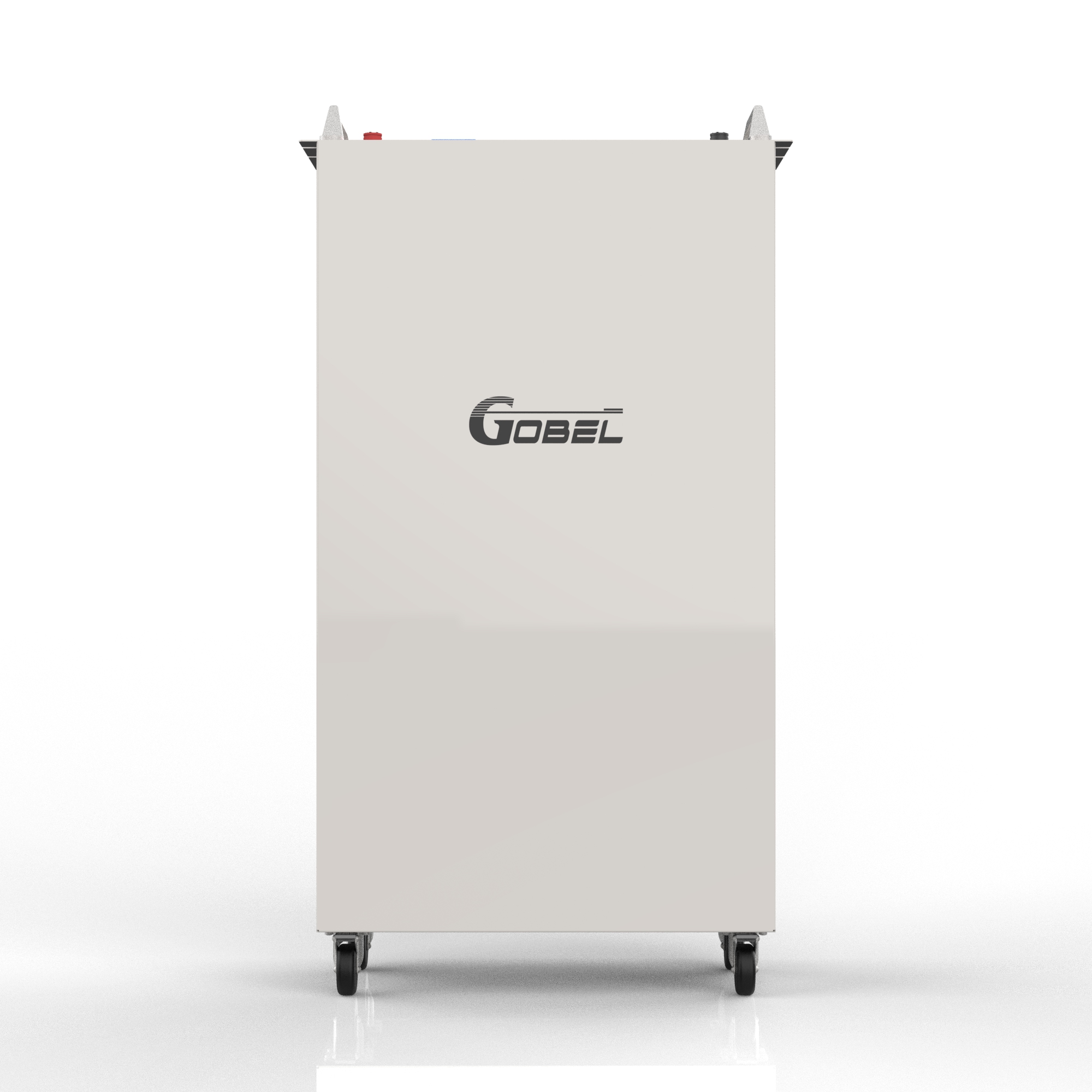
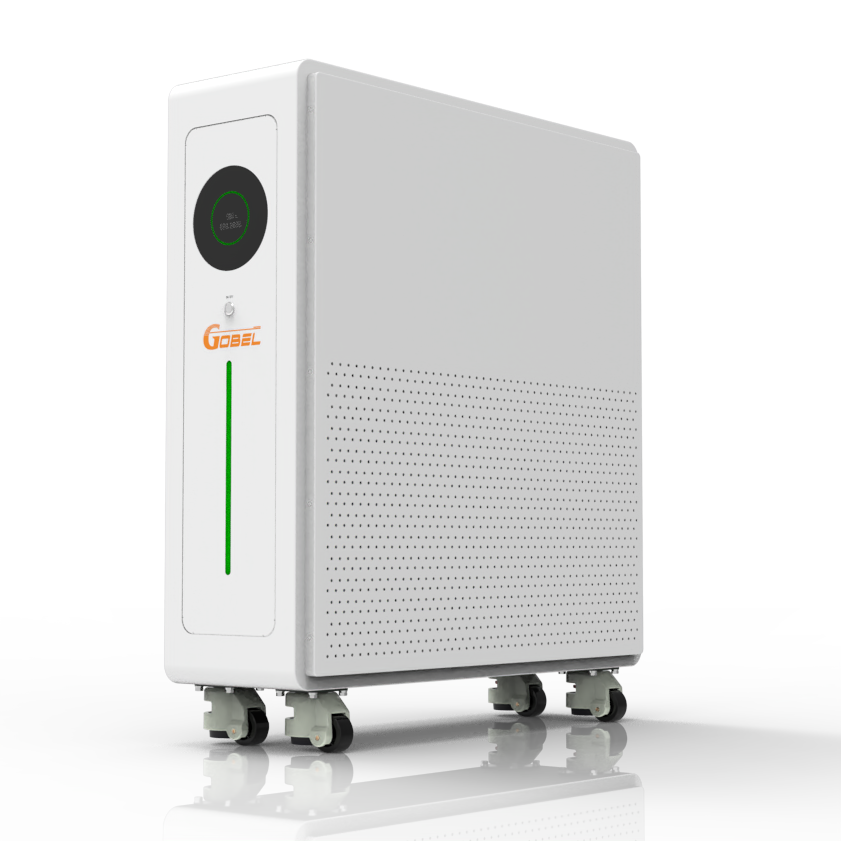
Quick answer: for solar self-consumption, size storage around the energy that is regularly available to charge it and the electricity you can use after sunset. A battery larger than either of those amounts may be underused on many days. Use the Gobel Power battery size calculator to model the evening loads and a backup scenario, then compare that energy estimate with measured PV export and hourly consumption. The tool does not calculate bill savings or payback.
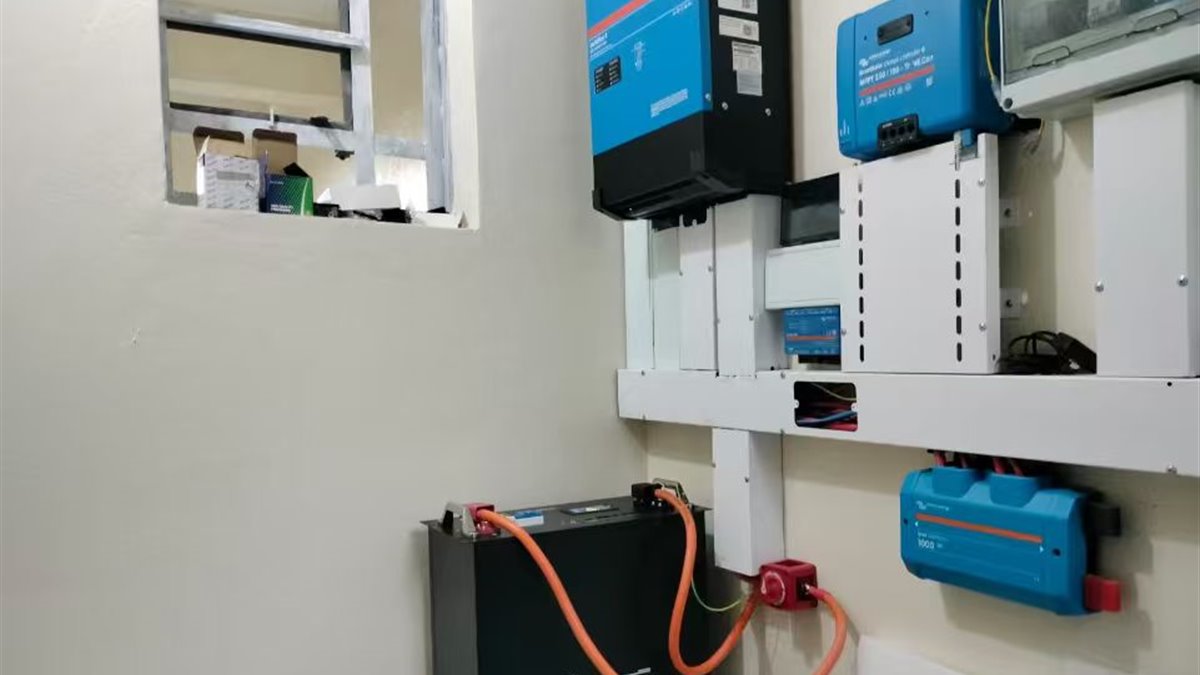
A household can generate many kilowatt-hours in summer and still have little spare solar electricity in winter. Start with interval meter data if available: how much PV is exported around midday, and how much electricity is imported during the evening and night? The part of the evening load that could be met by stored daytime surplus is the useful starting point. Annual generation alone cannot reveal this daily overlap.
The European Commission Joint Research Centre’s PVGIS provides location-based PV production estimates. It is useful when planning a new array or checking seasonal expectations. Compare its output with the roof orientation, shading and actual generation data where possible. For an existing installation, the meter and inverter history are usually more directly relevant than a generic national solar figure.
Enter appliances used after sunset into the calculator: power in watts, hours per day and quantity. Suppose these loads add to 5 kWh per day. With one selected day, 90% depth of discharge and the normal-temperature factor, the tool estimates about 5.6 kWh of nominal battery capacity. This is a load-based starting point only. If typical chargeable solar surplus is 2 kWh on the days that matter, a larger battery may not be fully charged by PV alone. If backup is also required, model that essential-load case separately.
European households face different retail tariffs, export payments, time-of-use periods, taxes and network rules. Those details vary by country, supplier and contract and can change. A battery that shifts solar energy from midday to evening may affect purchased electricity, but its financial value must be calculated from the customer’s actual tariff and realistic round-trip losses. The Gobel calculator gives an energy sizing estimate; it does not include prices, feed-in remuneration, degradation or a payback forecast.
Bring the hourly import/export data, PV array size, inverter model, chosen evening loads and any backup requirement to the installer. Ask about AC- or DC-coupled integration, battery communication, local approvals and expansion. Gobel Power battery formats can then be compared against a real energy target. Share the site details with our team if you want help narrowing the compatible options.
Source and scope: PVGIS is a European Commission Joint Research Centre tool. The battery example uses the Gobel Power calculator formula; no tariff saving or payback is implied.
 Copyright © 2026 Gobel All Rights Reserved.